The renewable energy landscape is always progressing, and one of the more exciting developments is the rise of multi-mode solar systems. Representing the cutting edge of solar technology, these systems offer flexibility and reliability for homeowners and businesses alike.
.fusion-body .fusion-builder-column-0{width:100% !important;margin-top : 0px;margin-bottom : 2em;}.fusion-builder-column-0 > .fusion-column-wrapper {padding-top : 0px !important;padding-right : 0px !important;margin-right : 1.92%;padding-bottom : 0px !important;padding-left : 0px !important;margin-left : 1.92%;}@media only screen and (max-width:1024px) {.fusion-body .fusion-builder-column-0{width:100% !important;order : 0;}.fusion-builder-column-0 > .fusion-column-wrapper {margin-right : 1.92%;margin-left : 1.92%;}}@media only screen and (max-width:640px) {.fusion-body .fusion-builder-column-0{width:100% !important;order : 0;}.fusion-builder-column-0 > .fusion-column-wrapper {margin-right : 1.92%;margin-left : 1.92%;}}
What Makes Multi-Mode Systems Special?
Multi-mode solar systems are the Swiss Army knives of the solar world—versatile, adaptable, and ready for whatever comes their way.
Unlike traditional, grid-direct solar installations that are required to shut down completely when the utility grid fails (for safety reasons), these advanced systems can seamlessly switch between different operating modes to keep the power on, even when the grid goes down.
Think of it like this: instead of a noisy, fuel-hungry backup generator, you have a clean, quiet system that uses solar energy stored in batteries. When the grid goes down, the system automatically detects the outage, transitions to battery power, and keeps essential electronics running without skipping a beat.
Key Components That Make It All Work
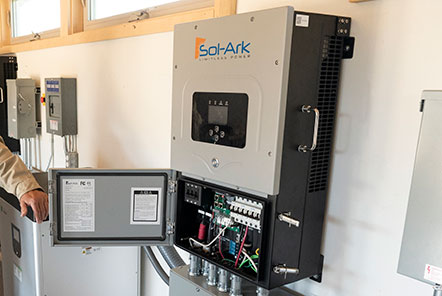
The ability to operate both with and without the utility grid relies on three critical components:

.fusion-body .fusion-builder-nested-column-0{width:33.333333333333% !important;margin-top : 0px;margin-bottom : 2em;}.fusion-builder-nested-column-0 > .fusion-column-wrapper {padding-top : 0px !important;padding-right : 0px !important;margin-right : 5.76%;padding-bottom : 0px !important;padding-left : 0px !important;margin-left : 5.76%;}@media only screen and (max-width:1024px) {.fusion-body .fusion-builder-nested-column-0{width:33.333333333333% !important;order : 0;}.fusion-builder-nested-column-0 > .fusion-column-wrapper {margin-right : 5.76%;margin-left : 5.76%;}}@media only screen and (max-width:640px) {.fusion-body .fusion-builder-nested-column-0{width:100% !important;order : 0;}.fusion-builder-nested-column-0 > .fusion-column-wrapper {margin-right : 1.92%;margin-left : 1.92%;}}

.fusion-body .fusion-builder-nested-column-1{width:33.333333333333% !important;margin-top : 0px;margin-bottom : 2em;}.fusion-builder-nested-column-1 > .fusion-column-wrapper {padding-top : 0px !important;padding-right : 0px !important;margin-right : 5.76%;padding-bottom : 0px !important;padding-left : 0px !important;margin-left : 5.76%;}@media only screen and (max-width:1024px) {.fusion-body .fusion-builder-nested-column-1{width:33.333333333333% !important;order : 0;}.fusion-builder-nested-column-1 > .fusion-column-wrapper {margin-right : 5.76%;margin-left : 5.76%;}}@media only screen and (max-width:640px) {.fusion-body .fusion-builder-nested-column-1{width:100% !important;order : 0;}.fusion-builder-nested-column-1 > .fusion-column-wrapper {margin-right : 1.92%;margin-left : 1.92%;}}

.fusion-body .fusion-builder-nested-column-2{width:33.333333333333% !important;margin-top : 0px;margin-bottom : 2em;}.fusion-builder-nested-column-2 > .fusion-column-wrapper {padding-top : 0px !important;padding-right : 0px !important;margin-right : 5.76%;padding-bottom : 0px !important;padding-left : 0px !important;margin-left : 5.76%;}@media only screen and (max-width:1024px) {.fusion-body .fusion-builder-nested-column-2{width:33.333333333333% !important;order : 0;}.fusion-builder-nested-column-2 > .fusion-column-wrapper {margin-right : 5.76%;margin-left : 5.76%;}}@media only screen and (max-width:640px) {.fusion-body .fusion-builder-nested-column-2{width:100% !important;order : 0;}.fusion-builder-nested-column-2 > .fusion-column-wrapper {margin-right : 1.92%;margin-left : 1.92%;}}
.fusion-body .fusion-builder-column-1{width:100% !important;margin-top : 0px;margin-bottom : 1em;}.fusion-builder-column-1 > .fusion-column-wrapper {padding-top : 0px !important;padding-right : 0px !important;margin-right : 1.92%;padding-bottom : 0px !important;padding-left : 0px !important;margin-left : 1.92%;}@media only screen and (max-width:1024px) {.fusion-body .fusion-builder-column-1{width:100% !important;order : 0;}.fusion-builder-column-1 > .fusion-column-wrapper {margin-right : 1.92%;margin-left : 1.92%;}}@media only screen and (max-width:640px) {.fusion-body .fusion-builder-column-1{width:100% !important;order : 0;}.fusion-builder-column-1 > .fusion-column-wrapper {margin-right : 1.92%;margin-left : 1.92%;}}
The Multi-Mode Energy Dance
The real magic happens in how these systems handle different operating conditions: during normal operation, the system acts like any standard grid-tied installation where solar panels generate power and excess energy can be sold back to the utility, but during a grid outage, the system’s Microgrid Interconnect Device (MID)—an intelligent switch—automatically disconnects from the utility grid, which is a critical safety step that prevents power from back-feeding into potentially dangerous downed lines while utility crews are working, and your home or business then becomes its own electrical “island,” powered entirely by your solar panels and batteries.
.fusion-body .fusion-builder-column-2{width:100% !important;margin-top : .5em;margin-bottom : 2em;}.fusion-builder-column-2 > .fusion-column-wrapper {padding-top : 0px !important;padding-right : 0px !important;margin-right : 1.92%;padding-bottom : 0px !important;padding-left : 0px !important;margin-left : 1.92%;}@media only screen and (max-width:1024px) {.fusion-body .fusion-builder-column-2{width:100% !important;order : 0;}.fusion-builder-column-2 > .fusion-column-wrapper {margin-right : 1.92%;margin-left : 1.92%;}}@media only screen and (max-width:640px) {.fusion-body .fusion-builder-column-2{width:100% !important;order : 0;}.fusion-builder-column-2 > .fusion-column-wrapper {margin-right : 1.92%;margin-left : 1.92%;}}
 Beyond Simple Backup Power: True Resilience
While battery-only systems exist that can only charge from the utility grid, multi-mode solar offers a massive advantage: energy resilience.
Without solar charging, you’re limited to the energy stored between outages. But with solar continuously recharging your batteries during daylight hours, you can potentially maintain power indefinitely during extended outages.
This is especially valuable in areas prone to multi-day power outages from severe weather or energy suppliers that have a habit of losing power. Instead of running a noisy, polluting generator, you have clean, quiet power that automatically replenishes itself each day.
Resilient Energy for a Changing World
The drawback? Multi-mode systems represent a significant step up in complexity and cost compared to basic grid-direct solar. But for those who value energy security and long-term independence, they offer compelling advantages. As battery costs continue falling and power outages become more frequent, these systems are quickly shifting from being a premium option to a standard solution for a resilient home or business.
The renewable energy revolution isn’t just about generating clean power—it’s about creating flexible, resilient energy systems that adapt to our changing world. Multi-mode solar systems are leading that transformation around the world.
.fusion-body .fusion-builder-column-3{width:100% !important;margin-top : 0px;margin-bottom : 2em;}.fusion-builder-column-3 > .fusion-column-wrapper {padding-top : 0px !important;padding-right : 0px !important;margin-right : 1.92%;padding-bottom : 0px !important;padding-left : 0px !important;margin-left : 1.92%;}@media only screen and (max-width:1024px) {.fusion-body .fusion-builder-column-3{width:100% !important;order : 0;}.fusion-builder-column-3 > .fusion-column-wrapper {margin-right : 1.92%;margin-left : 1.92%;}}@media only screen and (max-width:640px) {.fusion-body .fusion-builder-column-3{width:100% !important;order : 0;}.fusion-builder-column-3 > .fusion-column-wrapper {margin-right : 1.92%;margin-left : 1.92%;}}
.fusion-body .fusion-flex-container.fusion-builder-row-1{ padding-top : 0px;margin-top : 0px;padding-right : 30px;padding-bottom : 0px;margin-bottom : 0px;padding-left : 30px;}
.fusion-body .fusion-builder-column-4{width:80% !important;margin-top : 0px;margin-bottom : 2em;}.fusion-builder-column-4 > .fusion-column-wrapper {padding-top : 3em !important;padding-right : 5em !important;margin-right : 2.4%;padding-bottom : 3em !important;padding-left : 5em !important;margin-left : 2.4%;}@media only screen and (max-width:1024px) {.fusion-body .fusion-builder-column-4{width:80% !important;order : 0;}.fusion-builder-column-4 > .fusion-column-wrapper {margin-right : 2.4%;margin-left : 2.4%;}}@media only screen and (max-width:640px) {.fusion-body .fusion-builder-column-4{width:100% !important;order : 0;}.fusion-builder-column-4 > .fusion-column-wrapper {margin-right : 1.92%;margin-left : 1.92%;}}
.fusion-body .fusion-flex-container.fusion-builder-row-2{ padding-top : 0px;margin-top : 2em;padding-right : 30px;padding-bottom : 0px;margin-bottom : 0px;padding-left : 30px;}
Source link