

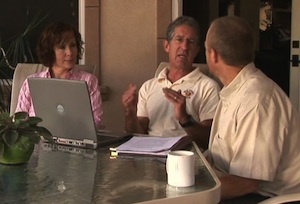
A successful career in solar sales requires more than just product knowledge. It demands an understanding of electrical systems in order to assess a site accurately, plus strong interpersonal skills to communicate with the customer. This combination of technical skills and soft skills separates strong salespeople from the rest.
.fusion-body .fusion-builder-column-0{width:100% !important;margin-top : 0px;margin-bottom : 2em;}.fusion-builder-column-0 > .fusion-column-wrapper {padding-top : 0px !important;padding-right : 0px !important;margin-right : 1.92%;padding-bottom : 0px !important;padding-left : 0px !important;margin-left : 1.92%;}@media only screen and (max-width:1024px) {.fusion-body .fusion-builder-column-0{width:100% !important;order : 0;}.fusion-builder-column-0 > .fusion-column-wrapper {margin-right : 1.92%;margin-left : 1.92%;}}@media only screen and (max-width:640px) {.fusion-body .fusion-builder-column-0{width:100% !important;order : 0;}.fusion-builder-column-0 > .fusion-column-wrapper {margin-right : 1.92%;margin-left : 1.92%;}}
 Look and Listen
The primary goal during most residential solar site visits is to look and listen, and salespeople can’t listen if they’re always doing the talking. Prospective clients will reveal what matters most to them, whether that’s return on investment, environmental concerns, or simply an interest in the technology.
Being able to answer any technical question is of course valuable, but being a know-it-all who volunteers too much information can drive some customers away. Many homeowners really don’t care about the technical details—they care about how solar benefits them. Deep technical explanations may appeal to some, but for everyone else, the conversation should focus on what motivates the customer and the intended outcomes. Reading the room before launching into a pitch makes all the difference.
.fusion-body .fusion-builder-column-1{width:100% !important;margin-top : 0px;margin-bottom : 2em;}.fusion-builder-column-1 > .fusion-column-wrapper {padding-top : 0px !important;padding-right : 0px !important;margin-right : 1.92%;padding-bottom : 0px !important;padding-left : 0px !important;margin-left : 1.92%;}@media only screen and (max-width:1024px) {.fusion-body .fusion-builder-column-1{width:100% !important;order : 0;}.fusion-builder-column-1 > .fusion-column-wrapper {margin-right : 1.92%;margin-left : 1.92%;}}@media only screen and (max-width:640px) {.fusion-body .fusion-builder-column-1{width:100% !important;order : 0;}.fusion-builder-column-1 > .fusion-column-wrapper {margin-right : 1.92%;margin-left : 1.92%;}}
Site Visit Documentation
While engaging with the customer, sales professionals need to capture the technical details that will drive system design and pricing. Even if the customer is not interested in technical details, this information is crucial for your design team and ultimately leads to a successful installation. A quality smart phone camera or a digital camera is essential for site visits. Medium to high resolution photos eliminate the need for extensive written notes–a picture is worth a thousand words in this case. Key items to photograph include:

.fusion-body .fusion-builder-nested-column-0{width:25% !important;margin-top : 0px;margin-bottom : 2em;}.fusion-builder-nested-column-0 > .fusion-column-wrapper {padding-top : 0px !important;padding-right : 0px !important;margin-right : 7.68%;padding-bottom : 0px !important;padding-left : 0px !important;margin-left : 7.68%;}@media only screen and (max-width:1024px) {.fusion-body .fusion-builder-nested-column-0{width:25% !important;order : 0;}.fusion-builder-nested-column-0 > .fusion-column-wrapper {margin-right : 7.68%;margin-left : 7.68%;}}@media only screen and (max-width:640px) {.fusion-body .fusion-builder-nested-column-0{width:100% !important;order : 0;}.fusion-builder-nested-column-0 > .fusion-column-wrapper {margin-right : 1.92%;margin-left : 1.92%;}}

.fusion-body .fusion-builder-nested-column-1{width:25% !important;margin-top : 0px;margin-bottom : 2em;}.fusion-builder-nested-column-1 > .fusion-column-wrapper {padding-top : 0px !important;padding-right : 0px !important;margin-right : 7.68%;padding-bottom : 0px !important;padding-left : 0px !important;margin-left : 7.68%;}@media only screen and (max-width:1024px) {.fusion-body .fusion-builder-nested-column-1{width:25% !important;order : 0;}.fusion-builder-nested-column-1 > .fusion-column-wrapper {margin-right : 7.68%;margin-left : 7.68%;}}@media only screen and (max-width:640px) {.fusion-body .fusion-builder-nested-column-1{width:100% !important;order : 0;}.fusion-builder-nested-column-1 > .fusion-column-wrapper {margin-right : 1.92%;margin-left : 1.92%;}}

.fusion-body .fusion-builder-nested-column-2{width:25% !important;margin-top : 0px;margin-bottom : 2em;}.fusion-builder-nested-column-2 > .fusion-column-wrapper {padding-top : 0px !important;padding-right : 0px !important;margin-right : 7.68%;padding-bottom : 0px !important;padding-left : 0px !important;margin-left : 7.68%;}@media only screen and (max-width:1024px) {.fusion-body .fusion-builder-nested-column-2{width:25% !important;order : 0;}.fusion-builder-nested-column-2 > .fusion-column-wrapper {margin-right : 7.68%;margin-left : 7.68%;}}@media only screen and (max-width:640px) {.fusion-body .fusion-builder-nested-column-2{width:100% !important;order : 0;}.fusion-builder-nested-column-2 > .fusion-column-wrapper {margin-right : 1.92%;margin-left : 1.92%;}}

.fusion-body .fusion-builder-nested-column-3{width:25% !important;margin-top : 0px;margin-bottom : 2em;}.fusion-builder-nested-column-3 > .fusion-column-wrapper {padding-top : 0px !important;padding-right : 0px !important;margin-right : 7.68%;padding-bottom : 0px !important;padding-left : 0px !important;margin-left : 7.68%;}@media only screen and (max-width:1024px) {.fusion-body .fusion-builder-nested-column-3{width:25% !important;order : 0;}.fusion-builder-nested-column-3 > .fusion-column-wrapper {margin-right : 7.68%;margin-left : 7.68%;}}@media only screen and (max-width:640px) {.fusion-body .fusion-builder-nested-column-3{width:100% !important;order : 0;}.fusion-builder-nested-column-3 > .fusion-column-wrapper {margin-right : 1.92%;margin-left : 1.92%;}}

.fusion-body .fusion-builder-nested-column-4{width:25% !important;margin-top : 1em;margin-bottom : 2em;}.fusion-builder-nested-column-4 > .fusion-column-wrapper {padding-top : 0px !important;padding-right : 0px !important;margin-right : 7.68%;padding-bottom : 0px !important;padding-left : 0px !important;margin-left : 7.68%;}@media only screen and (max-width:1024px) {.fusion-body .fusion-builder-nested-column-4{width:25% !important;order : 0;}.fusion-builder-nested-column-4 > .fusion-column-wrapper {margin-right : 7.68%;margin-left : 7.68%;}}@media only screen and (max-width:640px) {.fusion-body .fusion-builder-nested-column-4{width:100% !important;order : 0;}.fusion-builder-nested-column-4 > .fusion-column-wrapper {margin-right : 1.92%;margin-left : 1.92%;}}

.fusion-body .fusion-builder-nested-column-5{width:25% !important;margin-top : 1em;margin-bottom : 2em;}.fusion-builder-nested-column-5 > .fusion-column-wrapper {padding-top : 0px !important;padding-right : 0px !important;margin-right : 7.68%;padding-bottom : 0px !important;padding-left : 0px !important;margin-left : 7.68%;}@media only screen and (max-width:1024px) {.fusion-body .fusion-builder-nested-column-5{width:25% !important;order : 0;}.fusion-builder-nested-column-5 > .fusion-column-wrapper {margin-right : 7.68%;margin-left : 7.68%;}}@media only screen and (max-width:640px) {.fusion-body .fusion-builder-nested-column-5{width:100% !important;order : 0;}.fusion-builder-nested-column-5 > .fusion-column-wrapper {margin-right : 1.92%;margin-left : 1.92%;}}

.fusion-body .fusion-builder-nested-column-6{width:25% !important;margin-top : 1em;margin-bottom : 2em;}.fusion-builder-nested-column-6 > .fusion-column-wrapper {padding-top : 0px !important;padding-right : 0px !important;margin-right : 7.68%;padding-bottom : 0px !important;padding-left : 0px !important;margin-left : 7.68%;}@media only screen and (max-width:1024px) {.fusion-body .fusion-builder-nested-column-6{width:25% !important;order : 0;}.fusion-builder-nested-column-6 > .fusion-column-wrapper {margin-right : 7.68%;margin-left : 7.68%;}}@media only screen and (max-width:640px) {.fusion-body .fusion-builder-nested-column-6{width:100% !important;order : 0;}.fusion-builder-nested-column-6 > .fusion-column-wrapper {margin-right : 1.92%;margin-left : 1.92%;}}
.fusion-body .fusion-builder-column-2{width:100% !important;margin-top : 0px;margin-bottom : 1em;}.fusion-builder-column-2 > .fusion-column-wrapper {padding-top : 0px !important;padding-right : 0px !important;margin-right : 1.92%;padding-bottom : 0px !important;padding-left : 0px !important;margin-left : 1.92%;}@media only screen and (max-width:1024px) {.fusion-body .fusion-builder-column-2{width:100% !important;order : 0;}.fusion-builder-column-2 > .fusion-column-wrapper {margin-right : 1.92%;margin-left : 1.92%;}}@media only screen and (max-width:640px) {.fusion-body .fusion-builder-column-2{width:100% !important;order : 0;}.fusion-builder-column-2 > .fusion-column-wrapper {margin-right : 1.92%;margin-left : 1.92%;}}
A tape measure and inclinometer/angle finder help to round out the toolkit, allowing measurements and angles to be captured in photos rather than scribbled on notepads. With these two tools, one can measure items such as:

.fusion-body .fusion-builder-nested-column-7{width:25% !important;margin-top : 0px;margin-bottom : 2em;}.fusion-builder-nested-column-7 > .fusion-column-wrapper {padding-top : 0px !important;padding-right : 0px !important;margin-right : 7.68%;padding-bottom : 0px !important;padding-left : 0px !important;margin-left : 7.68%;}@media only screen and (max-width:1024px) {.fusion-body .fusion-builder-nested-column-7{width:25% !important;order : 0;}.fusion-builder-nested-column-7 > .fusion-column-wrapper {margin-right : 7.68%;margin-left : 7.68%;}}@media only screen and (max-width:640px) {.fusion-body .fusion-builder-nested-column-7{width:100% !important;order : 0;}.fusion-builder-nested-column-7 > .fusion-column-wrapper {margin-right : 1.92%;margin-left : 1.92%;}}

.fusion-body .fusion-builder-nested-column-8{width:25% !important;margin-top : 0px;margin-bottom : 2em;}.fusion-builder-nested-column-8 > .fusion-column-wrapper {padding-top : 0px !important;padding-right : 0px !important;margin-right : 7.68%;padding-bottom : 0px !important;padding-left : 0px !important;margin-left : 7.68%;}@media only screen and (max-width:1024px) {.fusion-body .fusion-builder-nested-column-8{width:25% !important;order : 0;}.fusion-builder-nested-column-8 > .fusion-column-wrapper {margin-right : 7.68%;margin-left : 7.68%;}}@media only screen and (max-width:640px) {.fusion-body .fusion-builder-nested-column-8{width:100% !important;order : 0;}.fusion-builder-nested-column-8 > .fusion-column-wrapper {margin-right : 1.92%;margin-left : 1.92%;}}

.fusion-body .fusion-builder-nested-column-9{width:25% !important;margin-top : 0px;margin-bottom : 2em;}.fusion-builder-nested-column-9 > .fusion-column-wrapper {padding-top : 0px !important;padding-right : 0px !important;margin-right : 7.68%;padding-bottom : 0px !important;padding-left : 0px !important;margin-left : 7.68%;}@media only screen and (max-width:1024px) {.fusion-body .fusion-builder-nested-column-9{width:25% !important;order : 0;}.fusion-builder-nested-column-9 > .fusion-column-wrapper {margin-right : 7.68%;margin-left : 7.68%;}}@media only screen and (max-width:640px) {.fusion-body .fusion-builder-nested-column-9{width:100% !important;order : 0;}.fusion-builder-nested-column-9 > .fusion-column-wrapper {margin-right : 1.92%;margin-left : 1.92%;}}

.fusion-body .fusion-builder-nested-column-10{width:25% !important;margin-top : 0px;margin-bottom : 2em;}.fusion-builder-nested-column-10 > .fusion-column-wrapper {padding-top : 0px !important;padding-right : 0px !important;margin-right : 7.68%;padding-bottom : 0px !important;padding-left : 0px !important;margin-left : 7.68%;}@media only screen and (max-width:1024px) {.fusion-body .fusion-builder-nested-column-10{width:25% !important;order : 0;}.fusion-builder-nested-column-10 > .fusion-column-wrapper {margin-right : 7.68%;margin-left : 7.68%;}}@media only screen and (max-width:640px) {.fusion-body .fusion-builder-nested-column-10{width:100% !important;order : 0;}.fusion-builder-nested-column-10 > .fusion-column-wrapper {margin-right : 1.92%;margin-left : 1.92%;}}
.fusion-body .fusion-builder-column-3{width:100% !important;margin-top : 0px;margin-bottom : 1em;}.fusion-builder-column-3 > .fusion-column-wrapper {padding-top : 0px !important;padding-right : 0px !important;margin-right : 1.92%;padding-bottom : 0px !important;padding-left : 0px !important;margin-left : 1.92%;}@media only screen and (max-width:1024px) {.fusion-body .fusion-builder-column-3{width:100% !important;order : 0;}.fusion-builder-column-3 > .fusion-column-wrapper {margin-right : 1.92%;margin-left : 1.92%;}}@media only screen and (max-width:640px) {.fusion-body .fusion-builder-column-3{width:100% !important;order : 0;}.fusion-builder-column-3 > .fusion-column-wrapper {margin-right : 1.92%;margin-left : 1.92%;}}
 Understanding Load Center Limitations
For many installations, the simplest way to connect to the customer’s electrical system is by backfeeding their main breaker panel. In this way, the output of the PV or storage system feeds back onto the panel, providing power to the loads in the house while excess power gets exported to the utility grid. The customer’s breaker panel dictates the maximum size of a PV system that can be connected to and this is governed by the 120% rule in the NEC: total amperage, including the back-feed breaker for the solar system, cannot exceed 120% of the busbar rating. For example: on a 100-amp panel with a 100-amp main breaker, the maximum back-feed breaker is 20 amps, which becomes the limiting factor for system size, though roof space and other factors can also limit the maximum system size.
Available spaces in the panel itself matter too. A 240-volt back-feed breaker requires two adjacent spaces. If no spaces exist, an electrician may need to add a sub panel and move some circuits to make room.
Make sure to take clear photos of the load center and its accompanying label as it indicates what size array the home can accommodate without a service upgrade. A clear photo making sure all the text is readable saves time later. If the rating isn’t visible on the label, capture the model number which can be used to look up the technical specifications..
A warning worth noting: removing the cover from a load center exposes a person to electrical hazards and may require being a “qualified person”. Who is a qualified person? In many jurisdictions, that means holding an electrical license but not always. The rules vary by location, so understanding your local requirements is essential before opening panels or any other electrical equipment.
.fusion-body .fusion-builder-column-4{width:100% !important;margin-top : 0px;margin-bottom : 2em;}.fusion-builder-column-4 > .fusion-column-wrapper {padding-top : 0px !important;padding-right : 0px !important;margin-right : 1.92%;padding-bottom : 0px !important;padding-left : 0px !important;margin-left : 1.92%;}@media only screen and (max-width:1024px) {.fusion-body .fusion-builder-column-4{width:100% !important;order : 0;}.fusion-builder-column-4 > .fusion-column-wrapper {margin-right : 1.92%;margin-left : 1.92%;}}@media only screen and (max-width:640px) {.fusion-body .fusion-builder-column-4{width:100% !important;order : 0;}.fusion-builder-column-4 > .fusion-column-wrapper {margin-right : 1.92%;margin-left : 1.92%;}}
 Site Analysis and Equipment Placement
A thorough site visit determines the best locations for solar installation by recording precise dimensions and capturing photographs of potential mounting areas. For most residential projects, this involves evaluating the roof type and condition, determining structural information, and identifying access points or potential installation obstacles. Because roof space often imposes its own constraints, sales professionals should also gather information for alternative mounting systems, such as ground mounts, which includes documenting the available land area and potential conduit runs back to the service entrance.
To ensure the system performs as promised, a formal shade analysis is required to identify obstructions—such as trees or neighboring structures—that could limit energy production. Additionally, pay close attention to where solar PV equipment, such as inverters, can be placed. Inverters should be located in dry, well-ventilated areas; placing them in attics or areas with excessive sunshine prevents proper heat dissipation, which can cause the system to underperform or the equipment to fail entirely.
While gathering this data is essential, making firm promises about specific equipment locations can backfire. Friction can arise between sales and installation teams when salespeople mark locations of system components without consulting the installer. Hidden gas pipes, structural obstacles, and specific code requirements can require installation teams to adapt in the field and make choices that differ from the salesperson’s preliminary design sketch. The install team then has to explain to the customer why the system cannot go where it was promised. Unless a qualified installer is present during the visit, the best approach is to document what is visible and gather measurements, then let the design and installation teams make final placement decisions to avoid these conflicts.
.fusion-body .fusion-builder-column-5{width:100% !important;margin-top : 0px;margin-bottom : 2em;}.fusion-builder-column-5 > .fusion-column-wrapper {padding-top : 0px !important;padding-right : 0px !important;margin-right : 1.92%;padding-bottom : 0px !important;padding-left : 0px !important;margin-left : 1.92%;}@media only screen and (max-width:1024px) {.fusion-body .fusion-builder-column-5{width:100% !important;order : 0;}.fusion-builder-column-5 > .fusion-column-wrapper {margin-right : 1.92%;margin-left : 1.92%;}}@media only screen and (max-width:640px) {.fusion-body .fusion-builder-column-5{width:100% !important;order : 0;}.fusion-builder-column-5 > .fusion-column-wrapper {margin-right : 1.92%;margin-left : 1.92%;}}
The Bottom Line
Effective site visits come down to thorough documentation and genuine engagement with the customer. Recording all pertinent information the team needs—panel ratings, breaker sizes, available spaces, meter details, potential equipment locations and site analysis—sets everyone up for a successful installation. Meanwhile, focusing the conversation on what matters to the customer guides proposal development. Their concerns and needs will always shape the approach.
Solar Energy International’s PVOL206 course covers site safety, customer qualification, solar site analysis, financial-benefit analyses, and the technical considerations PV sales professionals need. The course prepares students for the NABCEP PV Technical Sales Certification.
.fusion-body .fusion-builder-column-6{width:100% !important;margin-top : 0px;margin-bottom : 2em;}.fusion-builder-column-6 > .fusion-column-wrapper {padding-top : 0px !important;padding-right : 0px !important;margin-right : 1.92%;padding-bottom : 0px !important;padding-left : 0px !important;margin-left : 1.92%;}@media only screen and (max-width:1024px) {.fusion-body .fusion-builder-column-6{width:100% !important;order : 0;}.fusion-builder-column-6 > .fusion-column-wrapper {margin-right : 1.92%;margin-left : 1.92%;}}@media only screen and (max-width:640px) {.fusion-body .fusion-builder-column-6{width:100% !important;order : 0;}.fusion-builder-column-6 > .fusion-column-wrapper {margin-right : 1.92%;margin-left : 1.92%;}}
.fusion-body .fusion-flex-container.fusion-builder-row-1{ padding-top : 0px;margin-top : 0px;padding-right : 30px;padding-bottom : 0px;margin-bottom : 0px;padding-left : 30px;}
.fusion-body .fusion-builder-column-7{width:80% !important;margin-top : 0px;margin-bottom : 2em;}.fusion-builder-column-7 > .fusion-column-wrapper {padding-top : 3em !important;padding-right : 5em !important;margin-right : 2.4%;padding-bottom : 3em !important;padding-left : 5em !important;margin-left : 2.4%;}@media only screen and (max-width:1024px) {.fusion-body .fusion-builder-column-7{width:80% !important;order : 0;}.fusion-builder-column-7 > .fusion-column-wrapper {margin-right : 2.4%;margin-left : 2.4%;}}@media only screen and (max-width:640px) {.fusion-body .fusion-builder-column-7{width:100% !important;order : 0;}.fusion-builder-column-7 > .fusion-column-wrapper {margin-right : 1.92%;margin-left : 1.92%;}}
.fusion-body .fusion-flex-container.fusion-builder-row-2{ padding-top : 0px;margin-top : 2em;padding-right : 30px;padding-bottom : 0px;margin-bottom : 0px;padding-left : 30px;}
Source link