

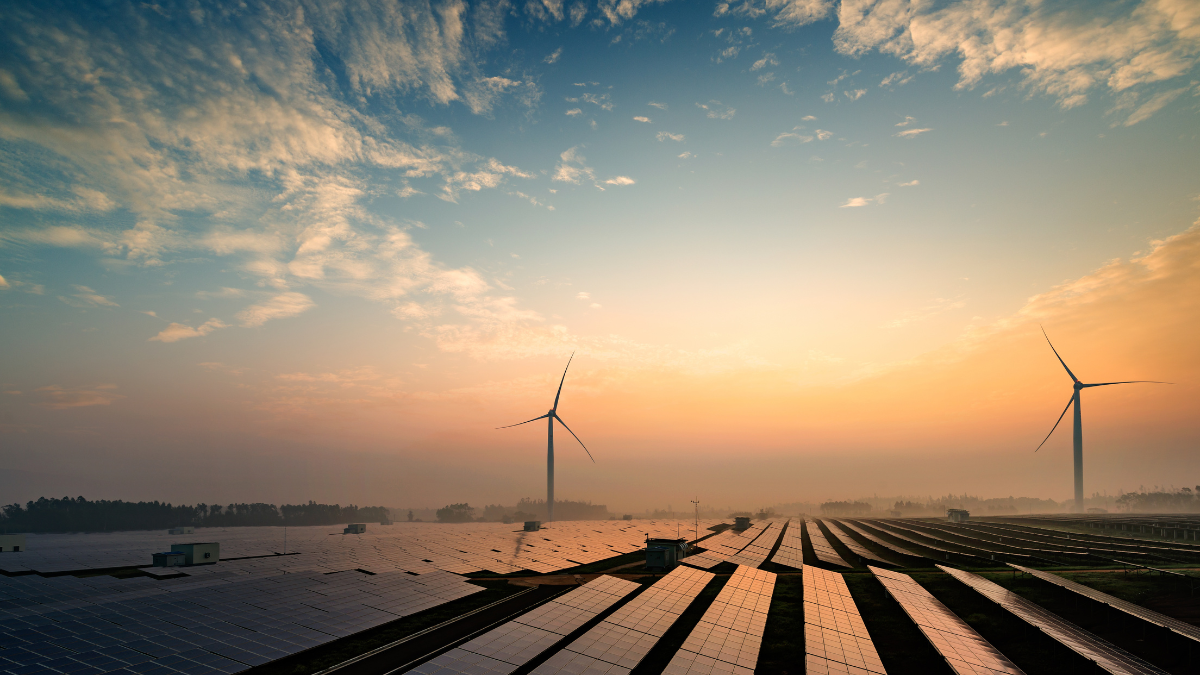

India’s renewable energy sector continued to grow strongly through 2025 and into early 2026, with solar power remaining the main driver of capacity additions. According to official data, by the end of February 2026, India’s total installed solar photovoltaic capacity reached about 143,604.37 MW. This reflects the dominant role of solar energy in the country’s clean energy transition. Solar power alone now accounts for more than 66.63 percent of India’s total renewable energy capacity, excluding large hydro projects, highlighting its increasing importance in the national power mix.
The year 2026 has started with strong momentum for solar installations. During the first two months of the year, India added nearly 7.794 GW of new solar capacity, making it one of the fastest starts for annual solar additions. The pace continued in February 2026, when around 3 GW of solar capacity was installed in just one month. This represented a month-on-month growth of more than 3.5 percent and showed that project execution across the country remains strong as India moves closer to its renewable energy targets.
Wind power also continued to expand steadily. By February 2026, India’s total renewable energy capacity, excluding large hydro, had reached about 215.52 GW. Solar and wind together accounted for more than 198.7 GW, which is over 92 percent of the country’s renewable capacity excluding large hydro. This clearly shows that solar and wind technologies remain the backbone of India’s energy transition.
Within the solar sector, ground-mounted projects continued to dominate installations, with total capacity exceeding 109.5 GW. Rooftop solar capacity reached around 24.86 GW, driven by increasing adoption among households, commercial establishments, and industries. Solar-wind hybrid projects stood at around 3.51 GW, reflecting efforts to improve land use and grid stability. Off-grid solar systems, including solar lanterns, pumps, and mini-grids, crossed 5.73 GW, supporting energy access in rural and remote regions while reducing reliance on diesel generators.
Government policies have played an important role in supporting this growth. Initiatives such as the Production Linked Incentive scheme are encouraging domestic solar manufacturing, while the Approved List of Models and Manufacturers ensures the use of certified solar modules in government-supported projects. Tax reforms, including reduced GST on solar modules and wind turbine generators, have also helped bring down project costs.
However, the sector is also facing some challenges. Land acquisition issues, grid integration constraints, and supply chain risks remain concerns for developers. In addition, the ongoing geopolitical tensions and conflicts in the Middle East are creating uncertainty in global energy markets. These conflicts can disrupt shipping routes and raise freight and insurance costs for solar equipment, particularly modules and raw materials imported into India. Any rise in logistics costs or delays in global supply chains could affect project timelines and increase overall project costs in the Indian solar market.
Despite these challenges, the overall outlook for India’s renewable energy sector remains positive. Strong policy support, growing electricity demand, and rising investment in clean energy projects are expected to continue driving solar and wind capacity additions in the coming years.
Related
Discover more from SolarQuarter
Subscribe to get the latest posts sent to your email.
Source link