

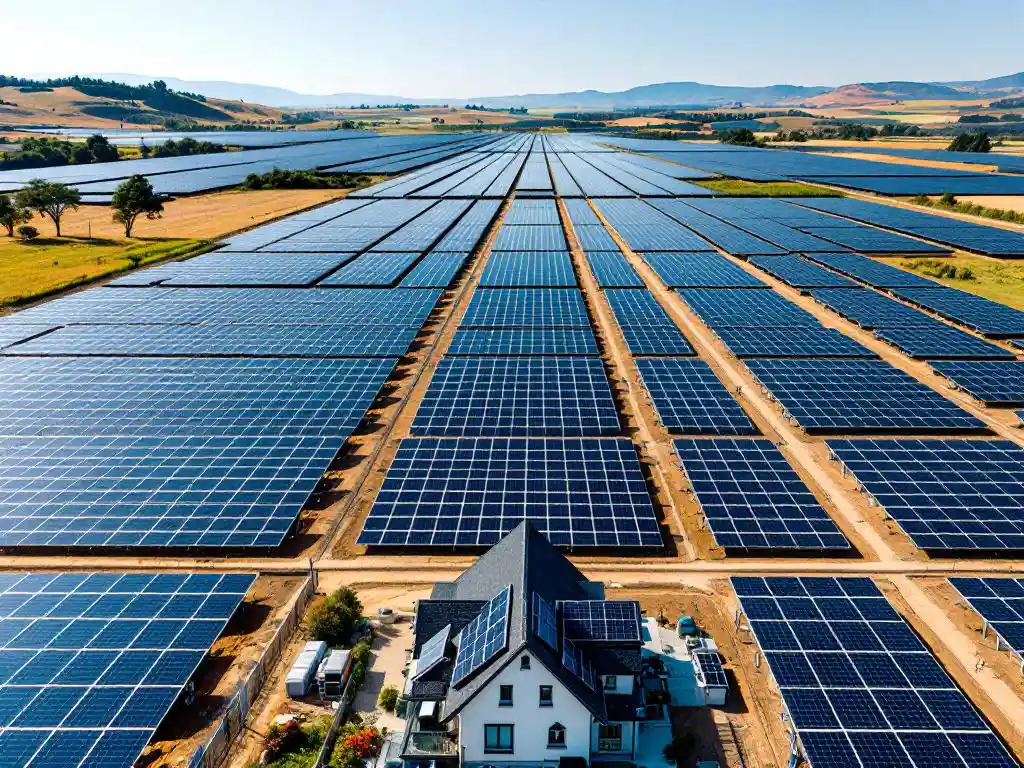
Utility-scale and rooftop solar projects represent fundamentally different approaches to photovoltaic system deployment, distinguished by capacity, complexity, and engineering requirements. Utility-scale installations typically exceed 1 MW and connect directly to transmission grids, while rooftop systems range from residential kilowatt installations to commercial megawatt arrays mounted on building structures. These differences create distinct challenges in design methodology, regulatory compliance, and technical implementation that require specialised approaches.
What exactly defines utility-scale solar versus rooftop installations?
Utility-scale solar installations are large-capacity photovoltaic systems, typically exceeding 1 MW, that connect directly to transmission or distribution grids to supply power to utilities. Rooftop solar systems are mounted on building structures, ranging from small residential arrays of 3–10 kW to large commercial installations reaching several megawatts.
The fundamental distinction lies in scale, location, and grid connection methodology. Utility-scale projects are ground-mounted installations spanning hundreds of acres, designed to generate electricity for wholesale distribution across power grids. These systems commonly range from 5 MW to over 100 MW in capacity, with some installations exceeding 1 GW.
Rooftop installations utilise existing building infrastructure, making them inherently limited by available roof space and structural capacity. Commercial rooftop systems typically range from 100 kW to several megawatts, while residential installations rarely exceed 20 kW. The mounting approach differs significantly: utility-scale systems use purpose-built racking systems optimised for terrain conditions, whereas rooftop systems must integrate with existing building structures while maintaining weatherproofing and structural integrity.
Grid connection protocols also distinguish these project types. Utility-scale installations often require dedicated substations and high-voltage transmission infrastructure, connecting at distribution or transmission voltage levels. Rooftop systems typically connect at lower voltages through existing electrical service connections, often incorporating net metering arrangements for excess power export.
How do engineering requirements differ between utility and rooftop solar projects?
Engineering complexity increases dramatically with utility-scale projects due to terrain analysis, extensive electrical calculations, and grid integration requirements. Rooftop projects focus primarily on structural assessments, shading analysis, and building code compliance, while utility-scale installations require comprehensive site preparation, substation design, and transmission interconnection studies.
Structural engineering approaches differ fundamentally between project types. Rooftop installations require detailed structural analysis of existing buildings, including load calculations for wind and seismic forces, roof penetration assessments, and integration with existing building systems. Engineers must evaluate roof condition, structural capacity, and long-term building integrity over the system’s 25-year lifespan.
Utility-scale projects demand extensive civil engineering, including cut and fill analysis for terrain modification, foundation design for various soil conditions, and comprehensive drainage systems. Ground-mount solar installations require detailed geotechnical studies, environmental impact assessments, and road access planning for construction and maintenance activities.
Electrical engineering complexity scales significantly with project size. Utility-scale installations involve sophisticated stringing calculations to optimise inverter configurations across varying terrain, extensive cable routing through underground conduit systems, and integration with high-voltage electrical infrastructure. These projects require single-line diagrams, protective relay coordination, and grid interconnection studies that rooftop installations rarely encounter.
The design documentation requirements also differ substantially. Utility-scale projects demand construction-ready engineering drawings, comprehensive bill of materials generation, and detailed specifications for procurement and construction phases. This level of documentation complexity necessitates specialised solar design software capable of handling utility-scale project requirements.
What makes the design process more complex for utility-scale projects?
Utility-scale solar design complexity stems from terrain modelling, advanced electrical calculations, and substation integration requirements that demand sophisticated CAD-integrated design tools. Unlike rooftop projects with relatively simple layouts, utility-scale installations require complex terrain analysis, automated stringing optimisation, and transmission interconnection planning that can extend design timelines from days to months without proper software solutions.
Terrain modelling represents one of the most challenging aspects of utility-scale design. Engineers must analyse topographical data to optimise panel placement, minimise earthwork costs, and ensure proper drainage across hundreds of acres. This process involves 3D terrain analysis, cut and fill calculations, and road layout optimisation that requires sophisticated design tools capable of processing large datasets efficiently.
Complex stringing configurations present another significant challenge. Utility-scale installations often span varied terrain with different solar irradiance conditions, requiring careful inverter string design to maximise energy production while maintaining electrical safety standards. This involves calculating optimal string lengths, accounting for voltage drop across long cable runs, and ensuring proper grounding systems throughout the installation.
Substation integration adds another layer of complexity, requiring coordination between the photovoltaic array design and high-voltage electrical infrastructure. Engineers must design collector systems that efficiently route power from individual inverters to central collection points, often involving multiple voltage transformation stages and protective systems.
The scale of utility projects also demands comprehensive project documentation, including detailed construction drawings, equipment specifications, and maintenance access planning. Modern solar design software addresses these challenges through automated engineering workflows, integrated terrain analysis, and seamless export capabilities to industry-standard tools like PVsyst for performance validation.
Why do utility-scale projects require different regulatory and permitting approaches?
Utility-scale solar projects require extensive environmental impact assessments, utility interconnection agreements, and land use permits that can take 18–36 months to complete. Rooftop installations typically require only building permits and utility interconnection applications, usually processed within weeks or months, making the regulatory pathway significantly more streamlined.
Environmental permitting represents a major distinction between project types. Utility-scale installations must undergo comprehensive environmental reviews, including wildlife impact studies, archaeological surveys, and water resource assessments. These studies evaluate potential effects on local ecosystems, migratory patterns, and sensitive habitats that could be affected by large-scale ground disturbance.
Land use approvals add complexity through zoning compliance, agricultural impact assessments, and community engagement requirements. Many utility-scale projects require rezoning applications, special use permits, and public hearing processes that can extend timelines significantly. Local opposition or environmental concerns can further complicate approval processes.
Grid interconnection requirements differ dramatically in scope and complexity. Utility-scale projects often require transmission system impact studies, grid stability analysis, and coordination with regional transmission operators. These studies evaluate how large-scale generation additions affect grid reliability, power quality, and transmission capacity requirements.
The extended timeline requirements for utility-scale permitting necessitate early-stage feasibility analysis and preliminary design work to support permit applications. This front-end engineering requirement often drives the need for two-phase design processes that begin with pre-sales feasibility studies and progress to detailed construction documentation once permits are secured.
Understanding these fundamental differences between utility-scale and rooftop solar projects helps engineering teams select appropriate design methodologies, software tools, and project management approaches. The increase in complexity from rooftop to utility-scale installations requires specialised expertise and advanced design capabilities to deliver successful projects efficiently. For engineering teams looking to streamline their utility-scale design processes, exploring integrated CAD-based design solutions can significantly reduce project timelines while maintaining the accuracy essential for large-scale solar installations. If you’re considering transitioning to utility-scale projects or need guidance on design software requirements, contact our team for expert consultation on your specific project needs.
Frequently Asked Questions
What are the key software requirements for transitioning from rooftop to utility-scale solar design?
Transitioning to utility-scale design requires CAD-integrated software with advanced terrain modeling capabilities, automated stringing optimization, and comprehensive documentation generation. Look for tools that can handle large datasets, perform cut and fill analysis, and export to industry-standard platforms like PVsyst for performance validation.
How do I determine if my engineering team is ready to take on utility-scale projects?
Assess your team’s experience with civil engineering, geotechnical analysis, and high-voltage electrical systems. Utility-scale projects require expertise in environmental permitting, grid interconnection studies, and construction-grade documentation that goes beyond typical rooftop project skills. Consider partnering with experienced utility-scale developers initially.
What are the most common mistakes when scaling up from rooftop to utility-scale design?
Common mistakes include underestimating permitting timelines, inadequate terrain analysis leading to costly earthwork changes, and insufficient documentation for construction teams. Many teams also fail to account for the complexity of collector system design and substation integration requirements early in the design process.
How much longer does utility-scale design typically take compared to rooftop projects?
While rooftop projects can be designed in days to weeks, utility-scale projects typically require 2-6 months for design completion, plus 18-36 months for permitting. The two-phase approach—preliminary design for permits followed by detailed construction documentation—often extends total project development timelines to 3-5 years.
What specific documentation is required for utility-scale projects that rooftop projects don’t need?
Utility-scale projects require construction-ready engineering drawings, comprehensive bills of materials, single-line electrical diagrams, protective relay coordination studies, environmental impact assessments, and detailed maintenance access plans. This documentation must meet utility interconnection standards and construction contractor requirements.
How do I handle terrain challenges that don’t exist in rooftop installations?
Utility-scale terrain challenges require 3D topographical analysis, cut and fill calculations, and drainage design across large areas. Use specialized software for terrain modeling, plan for soil conditions through geotechnical studies, and design access roads for construction and maintenance. Consider terrain optimization early to minimize earthwork costs.
What are the financial implications of the increased complexity in utility-scale projects?
Utility-scale projects require significantly higher upfront investment in design tools, longer development timelines, and specialized expertise, but offer economies of scale that can reduce per-MW costs. Budget for extended permitting periods, comprehensive studies, and potential design revisions based on regulatory feedback or site conditions.
Related Articles
Source link