

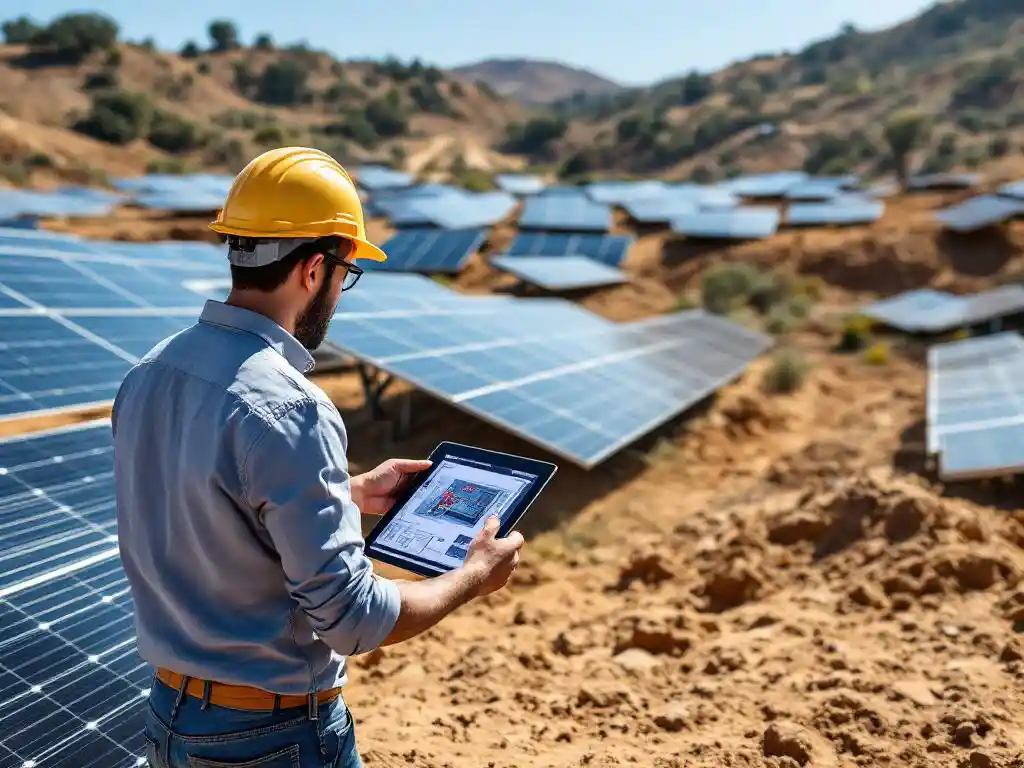
Solar panel layouts change between design and construction due to unforeseen site conditions, equipment availability, regulatory requirements, and the natural evolution from conceptual designs to detailed engineering specifications. What appears feasible during initial planning often requires significant modifications when engineers encounter real-world constraints, structural limitations, and precise construction requirements that were not apparent during preliminary assessments.
What causes solar panel layouts to change between design and construction?
Multiple factors create discrepancies between initial solar designs and final installations, with site conditions and engineering constraints being the primary drivers of layout modifications. Equipment availability, regulatory changes, and utility interconnection requirements often emerge after preliminary designs are completed, forcing substantial revisions to panel placement and system configuration.
Engineering constraints become apparent during detailed analysis phases when teams discover structural load limitations, soil conditions unsuitable for planned mounting systems, or shading issues that were not identified during initial site assessments. Terrain modeling reveals slopes, drainage patterns, and access routes that require significant layout adjustments to ensure construction feasibility and long-term system performance.
Equipment procurement challenges frequently alter layouts when specified panels, inverters, or mounting systems become unavailable or cost-prohibitive. Supply chain disruptions can force engineers to redesign entire sections using different equipment specifications, affecting string configurations, electrical routing, and overall system capacity.
Regulatory requirements often change between project phases, with local authorities imposing new setback requirements, fire access lanes, or environmental restrictions that were not considered during initial planning. Utility interconnection studies may reveal grid constraints requiring system downsizing or electrical configuration changes that cascade through the entire layout design.
Why do pre-sales layouts often fail to match construction realities?
Pre-sales layouts prioritize feasibility and financial modeling over engineering precision, using simplified assumptions and broad estimates that do not account for detailed construction requirements. These preliminary designs focus on demonstrating project viability and energy yield potential rather than addressing the complex technical specifications needed for actual installation.
The disconnect stems from different objectives at each project phase. Pre-sales teams need quick-turnaround layouts that showcase capacity and financial returns, often using automated tools that make assumptions about terrain, access, and equipment placement. Construction teams require precise documentation with exact panel coordinates, cable routing specifications, and detailed mounting calculations that account for every site constraint.
Solar design software used during pre-sales phases typically lacks the detailed terrain modeling and engineering analysis capabilities needed for construction-ready documentation. These tools excel at rapid feasibility studies but cannot perform the comprehensive cut-and-fill analysis, precise stringing calculations, or detailed bill of materials generation required for actual construction.
Time constraints during sales processes often prevent thorough site investigation, leading to layouts based on satellite imagery and basic site visits rather than comprehensive surveying and geotechnical analysis. Construction teams later discover underground utilities, drainage issues, soil conditions, or access limitations that require substantial layout modifications.
How do site conditions affect solar panel placement during installation?
Real-world site factors force layout modifications through structural limitations, access constraints, and unforeseen obstacles discovered during construction phases. Ground conditions, existing infrastructure, and environmental factors often differ significantly from assumptions made during preliminary design, requiring extensive layout revisions to ensure safe and efficient installation.
Structural limitations become apparent when detailed soil analysis reveals areas unsuitable for planned mounting systems, requiring foundation design changes that affect panel spacing and overall layout geometry. Rocky terrain, high water tables, or unstable soil conditions may eliminate entire sections from development, forcing density adjustments throughout the remaining buildable area.
Access constraints discovered during construction mobilization often require significant layout modifications to accommodate equipment movement and maintenance requirements. Crane access zones, delivery routes for large components, and emergency vehicle requirements frequently conflict with optimized panel placement, necessitating spacing adjustments and row reconfigurations.
Underground utilities, archaeological findings, or environmentally sensitive areas discovered during site preparation can eliminate substantial portions of planned installation areas. These discoveries often occur after detailed engineering is complete, requiring rapid layout redesign while maintaining project economics and interconnection commitments.
Shading analysis conducted with precise site measurements frequently reveals issues not apparent in preliminary assessments, particularly from vegetation, nearby structures, or terrain features that cast shadows differently than modeled. These discoveries require string reconfiguration and sometimes complete section elimination to maintain system performance standards.
What is the difference between conceptual and construction-ready solar designs?
Conceptual designs provide feasibility assessments and capacity estimates using simplified layouts and broad assumptions, while construction-ready designs deliver precise specifications with exact coordinates, detailed calculations, and comprehensive documentation required for actual installation. The progression involves increasingly detailed analysis phases that transform rough capacity estimates into engineered construction documents.
Conceptual designs focus on demonstrating project viability through energy yield projections, basic equipment counts, and preliminary financial modeling. These layouts use standardized spacing assumptions and simplified terrain representations to quickly assess site potential and support development decisions without detailed engineering analysis.
Construction-ready designs require comprehensive engineering analysis, including precise terrain modeling, detailed stringing calculations, cable routing specifications, and complete bill of materials generation. These designs account for every site constraint, regulatory requirement, and construction consideration needed for successful project execution.
The design evolution typically follows a two-phase workflow in which web-based tools handle initial feasibility studies and CAD-integrated platforms manage detailed engineering documentation. This progression ensures rapid preliminary assessment while providing the precision required for construction-ready deliverables that can withstand field conditions and regulatory scrutiny.
Advanced solar design software bridges this gap by automating the transition from conceptual layouts to construction documentation, reducing engineering time through integrated terrain analysis, automated electrical calculations, and seamless PVsyst compatibility. This integration eliminates the traditional disconnect between phases while maintaining the speed required for competitive project development.
Understanding these design phase differences helps solar professionals set appropriate expectations and allocate sufficient resources for detailed engineering work. Investment in comprehensive design software and proper engineering analysis ultimately reduces construction delays, change orders, and performance issues that stem from inadequate preliminary planning. For guidance on optimizing your solar design workflow, contact our experts to discuss your specific project requirements.
Frequently Asked Questions
How can I minimize layout changes during my solar project development?
Invest in comprehensive site surveys and geotechnical analysis early in the development process, before finalizing preliminary designs. Use advanced design software that integrates terrain modeling with electrical calculations, and conduct thorough utility coordination and environmental assessments during the conceptual phase to identify potential constraints before detailed engineering begins.
What should I budget for design revisions between initial layouts and construction?
Plan for 10-15% additional engineering costs to accommodate layout revisions, with larger projects potentially requiring more extensive modifications. Factor in potential timeline delays of 2-4 weeks for significant layout changes, and maintain contingency budgets for equipment substitutions that may affect overall system costs and performance projections.
When should I transition from conceptual design tools to construction-ready software?
Make the transition once you’ve secured site control and completed preliminary feasibility analysis, typically before beginning detailed engineering or permit applications. This timing allows you to leverage rapid conceptual tools for initial assessments while ensuring construction documentation meets the precision requirements for permitting, interconnection studies, and contractor bidding.
What are the most common mistakes that lead to major layout changes during construction?
The biggest mistakes include relying solely on satellite imagery for terrain analysis, underestimating utility coordination timelines, and failing to conduct proper geotechnical investigation before finalizing layouts. Many developers also skip detailed shading analysis using precise site measurements, leading to performance issues that require string reconfigurations during construction.
How do I communicate layout changes to stakeholders without losing project credibility?
Establish clear expectations upfront about the iterative nature of solar design, documenting the progression from conceptual to construction-ready phases in your project timeline. Provide detailed explanations for changes, showing how modifications improve system performance or reduce construction risks, and maintain transparent communication about how changes affect project economics and schedules.
Can I use the same design software throughout the entire project lifecycle?
While some advanced platforms can handle both conceptual and construction phases, most projects benefit from using specialized tools for each phase. Web-based tools excel at rapid feasibility studies, while CAD-integrated platforms provide the precision needed for construction documentation. Look for software solutions that offer seamless data transfer between phases to maintain design continuity.
What documentation should I require from my design team to minimize construction surprises?
Demand comprehensive site surveys including topographic mapping, geotechnical reports, and utility coordination documentation before approving final layouts. Require detailed cut-and-fill analysis, precise string calculations with fault current analysis, and complete bill of materials with equipment specifications. Ensure your design team provides construction-ready drawings with exact panel coordinates and cable routing details.
Related Articles
Source link