

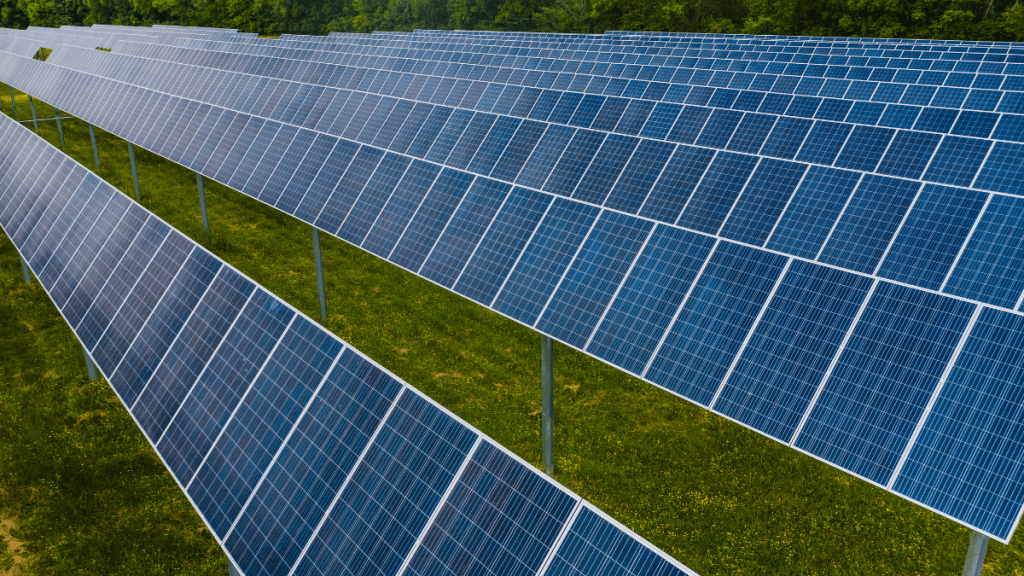

The Zaragoza City Council has commissioned a 220 kW self-consumption photovoltaic (PV) plant at the Valdespartera water reservoirs, marking a step forward in the city’s efforts to enhance energy self-sufficiency and optimize water infrastructure operations.
Located in Zaragoza, the installation has a peak capacity of 227.2 kWp and involves an investment of €379,894.49. The system comprises 568 modules rated at 400 Wp each, along with two 110 kW nominal inverters, protection systems, and electrical panels. The PV generator is mounted above the Valdespartera reservoir on prefabricated concrete supports, arranged in series, tilted at 10 degrees, and oriented दक्षिण for optimal solar exposure. The installation spans approximately 1,750 square meters.
The Valdespartera reservoirs are part of Zaragoza’s broader water distribution network, supplying key neighborhoods including Casablanca, Valdefierro, Miralbueno, Oliver, Delicias, Universidad, and Romareda. The system supports water supply operations across varying pressure levels, influenced by the city’s topography.
According to the city’s Water Cycle Technical Office, the project is expected to enable a shift in pumping operations from nighttime to daylight hours, leveraging solar generation to achieve near-total self-consumption and operational self-sufficiency.
In a parallel development, the Zaragoza City Council has awarded a combined electricity supply and public land concession contract to Iberdrola Clientes for the deployment of rooftop photovoltaic systems across 18 municipal buildings and pavilions. The installations will support the creation of self-consumption solar communities under a 15-year administrative concession.
The project will be fully financed by Iberdrola Clientes, with a total investment of €2,551,953. The systems are expected to generate a minimum of 1,406,035 kWh annually, with electricity primarily consumed by the municipal buildings at a unit cost of €0.0648/kWh (excluding VAT). Surplus energy will be made available to nearby households and businesses, enabling them to participate as secondary consumers in the local energy ecosystem.
Related
Discover more from SolarQuarter
Subscribe to get the latest posts sent to your email.
Source link