
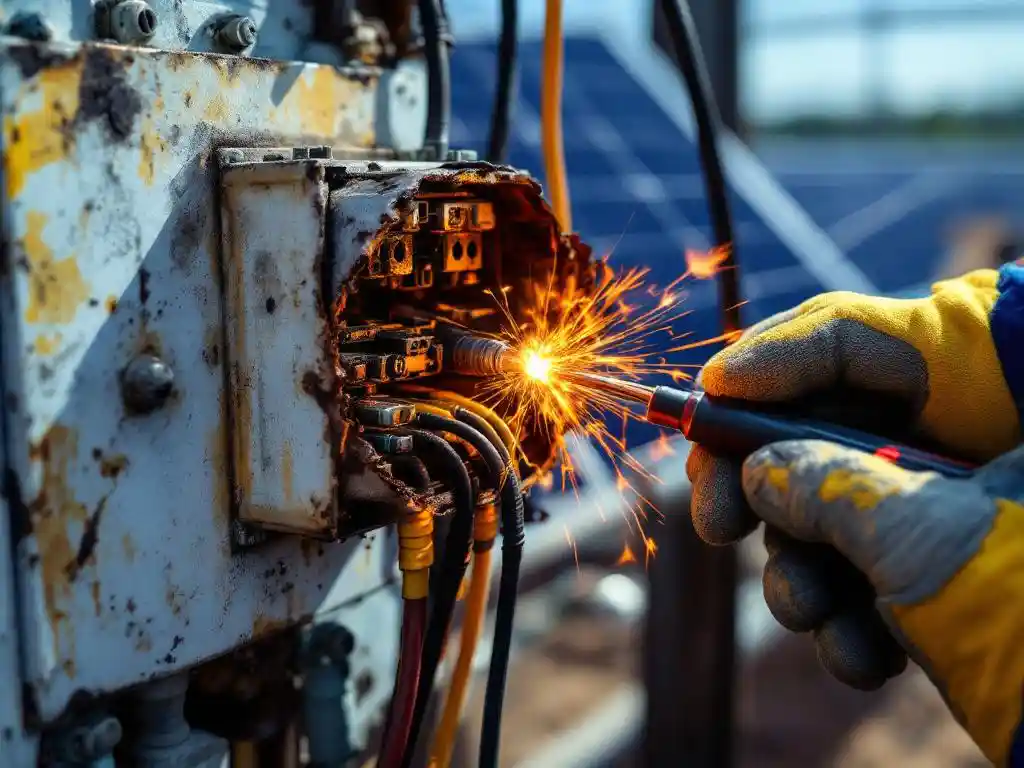
Electrical issues in large solar arrays stem from several interconnected factors, including environmental conditions, installation quality, and component degradation. Common problems include ground faults, arc faults, string failures, and inverter malfunctions that can reduce system performance or create safety hazards. These issues often manifest through reduced power output, system shutdowns, or monitoring alerts that require immediate attention from qualified technicians.
What are the most common electrical problems in large solar arrays?
The most prevalent electrical issues in utility-scale and commercial solar installations include ground faults, arc faults, string failures, and inverter problems. Ground faults account for approximately 30–40% of all electrical issues, followed by arc faults and connection failures that can cascade into larger system problems.
Ground faults occur when electrical current finds an unintended path to earth, often through damaged insulation or moisture ingress. These faults trigger safety systems that shut down affected portions of the array, reducing power generation until repairs are completed. Arc faults occur when electrical connections become loose or corroded, creating dangerous electrical arcs that pose fire risks.
String failures typically result from individual module degradation, bypass diode failures, or wiring issues that affect entire strings of connected panels. These problems often go undetected without proper monitoring systems, leading to sustained power losses. Inverter problems range from component failures to communication issues that prevent proper system operation and monitoring.
Modern solar design software incorporates fault detection and prevention strategies during the planning phase, helping engineers identify potential problem areas before construction begins. Proper system design with adequate monitoring capabilities enables quick identification and resolution of electrical issues.
Why do ground faults occur in solar arrays and how dangerous are they?
Ground faults develop when electrical insulation breaks down due to moisture ingress, physical damage, or degradation over time. These faults create unintended current paths that can cause equipment damage, fire hazards, and complete system shutdowns if not properly detected and isolated.
Insulation breakdown commonly occurs at connection points where water can penetrate weatherproof seals. Temperature cycling causes expansion and contraction that can crack insulation materials, while UV exposure gradually degrades polymer-based cable jackets. Installation errors such as pinched cables, inadequate strain relief, or improper connector assembly create weak points where ground faults develop.
The safety risks associated with ground faults are significant in large solar installations. Undetected ground faults can energise normally safe components such as mounting structures, creating electrocution hazards for maintenance personnel. In extreme cases, ground faults can generate enough heat to ignite combustible materials, particularly in rooftop installations.
Modern solar arrays incorporate ground fault detection systems that monitor insulation resistance and automatically disconnect affected circuits when faults occur. These safety systems are mandatory in most jurisdictions and must be tested regularly to ensure proper operation. Professional installation with quality components and proper weatherproofing significantly reduces the occurrence of ground faults.
How do weather conditions cause electrical failures in solar installations?
Weather-related electrical failures result from thermal cycling, moisture ingress, UV degradation, and extreme temperature fluctuations that stress electrical components beyond their design limits. These environmental factors cause gradual degradation that eventually leads to connection failures, insulation breakdown, and component malfunctions.
Thermal cycling occurs as daily temperature variations cause expansion and contraction of electrical connections. This repeated stress loosens connections over time, increasing resistance and creating hot spots that can lead to arc faults. Cold temperatures make cable insulation brittle and prone to cracking, while extreme heat accelerates chemical degradation of polymer materials.
Moisture ingress through damaged seals or inadequate weatherproofing creates multiple problems, including corrosion of electrical contacts, ground faults, and tracking across insulator surfaces. High humidity combined with temperature variations can cause condensation inside electrical enclosures, leading to short circuits and component failures.
UV radiation gradually breaks down cable jackets and connector housings, making them brittle and susceptible to cracking. Wind loading can cause mechanical stress on connections, particularly at transition points between fixed and flexible sections. Proper cable management with adequate support and protection significantly reduces weather-related failures.
What installation mistakes lead to electrical problems in solar arrays?
Common installation errors that create electrical problems include improper grounding, inadequate cable management, incorrect string configurations, and poor connection techniques. These mistakes often stem from insufficient training, rushed installation schedules, or failure to follow manufacturer specifications and industry best practices.
Improper grounding encompasses missing equipment grounding conductors, inadequate bonding between components, and incorrect grounding electrode connections. These errors can prevent proper fault detection, create safety hazards, and cause interference with monitoring systems. Grounding systems must be designed and installed according to electrical codes and manufacturer requirements.
Inadequate cable management includes insufficient support, sharp bend radii, and exposure to mechanical damage. Cables that are not properly secured can experience stress from wind loading, thermal expansion, and maintenance activities. Poor routing can also create maintenance access problems and increase the likelihood of accidental damage.
Incorrect string configurations occur when installers fail to match module specifications, exceed inverter input limits, or create unbalanced strings. These errors can cause inverter shutdowns, reduced performance, and premature component failure. Connection problems include undertorqued terminals, mixed connector types, and inadequate weatherproofing that allows moisture ingress.
How can proper design prevent electrical issues in large solar projects?
Effective design prevention strategies include comprehensive component selection, redundancy planning, proper cable routing design, and integration of monitoring systems that enable early detection of developing problems. Modern solar design software helps engineers optimise layouts while incorporating electrical safety and reliability considerations.
Component selection should prioritise quality ratings appropriate for the installation environment, including temperature ratings, UV resistance, and moisture protection levels. Designing with components that exceed minimum requirements provides safety margins that accommodate unexpected stresses and extend system life. Proper derating of electrical components ensures reliable operation under varying conditions.
Redundancy planning involves designing systems that can continue operating even when individual components fail. This includes multiple inverter configurations, sectionalised grounding systems, and monitoring capabilities that can isolate problems without shutting down entire arrays. Emergency shutdown systems must be designed for safe maintenance access.
Cable routing design should minimise stress points, provide adequate support, and protect against mechanical damage while allowing for thermal expansion. Proper segregation of AC and DC circuits prevents interference and reduces fault propagation. Integration of comprehensive monitoring enables real-time detection of developing problems before they cause system failures or safety hazards.
When should you call professionals for solar array electrical problems?
Professional intervention is required immediately for any electrical faults, system shutdowns, visible damage to electrical components, or safety system activations. High-voltage DC systems present serious electrocution and arc flash hazards that require qualified technicians with proper training and safety equipment.
Warning signs that demand professional attention include ground fault indicator activations, arc fault detector alarms, unusual odours from electrical equipment, and visible signs of overheating such as discoloured connections or melted components. Any reduction in system performance that cannot be explained by weather conditions should be investigated by qualified personnel.
Routine maintenance activities such as connection tightening, insulation testing, and safety system verification require specialised knowledge and test equipment. Attempting electrical work on energised solar systems without proper training and equipment can result in serious injury or death. Even seemingly simple tasks such as connector replacement require an understanding of DC circuit behaviour and safety procedures.
Professional solar technicians have the training, tools, and experience necessary to safely diagnose and repair electrical problems in large solar arrays. They understand lockout/tagout procedures, have appropriate personal protective equipment, and can ensure repairs meet electrical codes and manufacturer specifications. For expert assistance with your solar array electrical issues, contact qualified professionals who can provide safe and reliable solutions. Regular professional maintenance prevents many electrical problems and ensures continued safe operation.
Understanding electrical issues in large solar arrays helps facility managers and system owners make informed decisions about maintenance and safety. Proper design, quality installation, and regular professional maintenance significantly reduce the likelihood of electrical problems while ensuring safe, reliable operation. When electrical issues do occur, prompt professional intervention minimises downtime and prevents safety hazards that could affect personnel and equipment.
Frequently Asked Questions
How often should electrical components in large solar arrays be inspected?
Electrical components should undergo comprehensive inspections at least annually, with critical safety systems like ground fault detectors tested quarterly. High-risk areas such as connection points and junction boxes may require more frequent visual inspections, especially after severe weather events or during the first year of operation when installation-related issues commonly surface.
What tools and equipment do maintenance teams need to safely work on solar array electrical systems?
Essential safety equipment includes arc-rated personal protective equipment (PPE), insulated tools rated for DC voltage levels, digital multimeters capable of measuring high DC voltages, insulation resistance testers, and lockout/tagout devices. Teams also need thermal imaging cameras for detecting hot spots and ground fault locators for troubleshooting insulation problems.
Can electrical problems in one section of a large solar array affect the entire system?
Yes, depending on the system design and type of fault. Ground faults can trigger safety shutdowns that affect multiple inverters, while arc faults may cause entire string circuits to disconnect. However, properly designed systems with adequate sectionalisation and monitoring can isolate problems to minimise impact on overall power generation.
What are the warning signs that indicate developing electrical problems before they cause system failures?
Early warning signs include gradual performance degradation not explained by weather, increased ground fault indicator trips, thermal imaging showing hot spots at connections, and monitoring system alerts for string underperformance. Visible signs like discoloration around connections, moisture in junction boxes, or damaged cable jackets also indicate developing problems.
How do you determine if an electrical problem requires immediate shutdown versus continued operation?
Immediate shutdown is required for any safety system activation (ground fault, arc fault), visible arcing or sparking, burning odours, or damaged electrical components. Systems can typically continue operating with minor performance issues or single string failures, but qualified technicians should evaluate the situation to prevent escalation to more serious problems.
What documentation should be maintained for electrical maintenance and repairs in solar arrays?
Maintain detailed records of all electrical testing results, safety system tests, connection torque values, and insulation resistance measurements. Document all repairs with before/after photos, replacement part specifications, and test results confirming proper operation. This documentation is essential for warranty claims, regulatory compliance, and trending analysis to predict future maintenance needs.
How can remote monitoring systems help prevent electrical problems in large solar installations?
Advanced monitoring systems provide real-time alerts for electrical faults, track individual string performance to identify developing problems, and monitor environmental conditions that affect electrical components. These systems enable predictive maintenance by identifying trends in insulation resistance, connection temperatures, and performance degradation before they cause failures or safety hazards.
Related Articles
Source link