

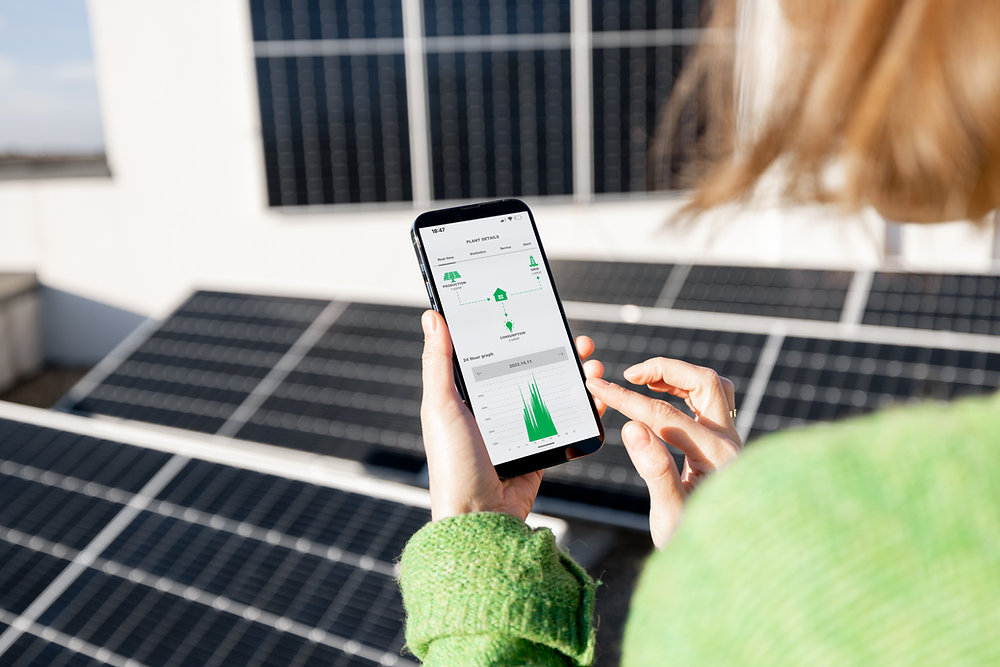
When a string inverter stops working, the whole solar system can stop producing power. With microinverters, a single failed unit typically only affects one panel. Either way, a malfunctioning inverter means lost production and rising utility bills. Solar inverter repair is one of the most requested services for residential solar owners, and in many cases the unit can be fixed without a full replacement.
This guide covers the warning signs of inverter trouble, what repairs cost in 2026, how to figure out whether to repair or replace, how to safely troubleshoot before calling anyone, and how to find a qualified solar inverter repair service near you. Whether you have a string inverter, a microinverter setup, or a hybrid system, this breakdown will help you act quickly and make a confident call. can be resolved with simple troubleshooting steps, without needing to replace the entire system.
Signs Your Solar Inverter Needs Repair
The inverter is the component most likely to fail in a home solar system. Research from kWh Analytics found that roughly 80 percent of solar array failures and downtime are inverter-related. Many warning signs appear before the unit fully fails, which gives you a window to act before production losses start adding up.
Warning Signs to Watch For
-
Your monitoring app shows a sudden, unexplained drop in energy production
-
The inverter display is showing a fault code or error message
-
The display is blank or the unit is completely unresponsive
-
You hear unusual buzzing, clicking, or humming from the unit
-
Fault or warning lights are on and not clearing on their own
-
Your electricity bills have gone up without any change in how you use power
If you are seeing a specific fault code, check our solar inverter fault codes guide before calling anyone. A simple reset clears many codes and avoids an unnecessary service visit.
Can a Solar Inverter Be Repaired?
The answer depends on what failed, how old the unit is, and whether the repair makes financial sense. Many homeowners assume a dead inverter automatically means buying a new one. That is not always the case, and it is worth having a technician evaluate the unit before committing to a replacement.
Common Issues That Can Be Fixed
Most residential inverter repairs involve component-level failures rather than a complete breakdown. A qualified solar inverter technician can often fix:
-
Failed or aging capacitors, one of the most frequent causes of failure in older units
-
Blown fuses
-
Cooling fan failure or blocked ventilation
-
Loose or corroded DC wiring connections
-
Software or firmware faults
-
Surge or lightning damage, when caught before it spreads to other components
When Replacement Makes More Sense
Repair is not always the right financial move. Replacement is usually the better choice when:
-
The unit is 12 or more years old and approaching the end of its rated lifespan
-
Repair estimates exceed 40 to 50 percent of the cost of a new unit
-
The main circuit board or transformer is damaged
-
The inverter has failed multiple times in a short period
-
The manufacturer has discontinued support or replacement parts for that model
Hybrid Inverter Repair
Hybrid inverters manage both solar generation and battery storage, which makes them more complex to diagnose and repair than a standard string inverter. Work on a hybrid system requires a technician certified for both the inverter hardware and the connected battery equipment. Before scheduling a service visit, our solar inverter troubleshooting guide can help you determine whether the issue is the inverter, the battery, or the communication between the two.
Solar Inverter Repair Cost in 2026
Cost is usually the first question homeowners want answered, and the range is wide. The final number depends on the inverter type, what failed, your location, and whether parts need to be ordered. Going in with a realistic estimate helps you evaluate quotes and decide between repairing and replacing.
Typical Cost Ranges
|
Minor repairs: capacitors, fuses, fans |
|
|
Intermediate repairs: wiring, firmware, surge damage |
|
|
String inverter replacement, installed |
|
|
Microinverter replacement, per unit, installed |
|
|
Hybrid inverter replacement, installed |
What Affects the Final Price
Several variables push costs above or below the ranges in the table:
-
Inverter brand and model: proprietary components can cost significantly more
-
Warranty status: a valid warranty may cover parts, reducing out-of-pocket cost
-
Your region: labor rates vary considerably across the country
-
Part availability: in-stock parts speed up the job; special orders add wait time and sometimes cost
-
Whether the repair also requires any work at the main electrical panel
-
Travel time for the technician if you are in a rural area
Does Your Warranty Cover the Repair?
Before you spend anything, check your warranty status. Many homeowners do not realize a repair or replacement may already be covered, especially on systems that are only a few years old. The type of inverter you have largely determines what coverage you can expect.
What Manufacturer Warranties Typically Cover
Coverage varies by inverter type and brand:
-
String inverters: many carry 10- to 12-year standard product warranties, depending on brand and model, with extensions available to 20 or 25 years on select products (SolarEdge standard is 12 years; SMA is 12 years)
-
Microinverters (Enphase IQ series): 25-year standard warranty
-
Hybrid inverters: typically 10 to 12 years
-
Power optimizers (SolarEdge): 25 years
Under most manufacturer warranties, the company covers replacement parts and often shipping for valid claims. EnergySage’s solar inverter warranty breakdown compares coverage terms across the top brands in detail. Our solar inverter warranty guide covers how to check your coverage and file a claim, including what to do if your original installer has since gone out of business.
One more thing to keep in mind for full replacements: some inverter swaps require electrical permits, utility notification, or updated system documentation, particularly if the replacement changes equipment ratings or adds battery functionality. Your technician should handle this, but it is worth confirming upfront.
What Warranties Usually Leave Out
Labor is the most common and costly gap. A single service visit can run $500 to $1,500 in labor alone, and most manufacturer warranties do not cover it. Other frequent exclusions include:
-
Damage from lightning, flooding, or other extreme weather
-
Failures caused by improper original installation
-
Wiring and cables, even if the manufacturer supplied them
-
Any issue that appears after the warranty period has ended
When Homeowners Insurance May Apply
How to Repair a Solar Inverter: What You Can Do Safely
Homeowners can handle a small set of basic checks before scheduling a service visit. Most take less than 15 minutes, and occasionally one will resolve the issue entirely. Do not open the inverter casing. That is where the homeowner’s role ends.
Safe Homeowner Checks
Work through this list before calling for service:
-
Follow the shutdown and restart steps shown on your inverter label or in the manufacturer app. If you are unsure of the sequence, stop and call a technician rather than guessing.
-
Open your monitoring app and note any active fault or error codes
-
Check the cooling vents for dust, debris, or anything obstructing airflow
-
Confirm both the AC and DC isolators are switched to the ON position
-
Check your main breaker panel for any tripped breakers
-
Look for new shading on your panels from trees or structures that have grown or changed
-
Open the manufacturer app and check for available firmware updates
If one of these steps clears the problem, note what it was. An issue that resolves with a reset but keeps coming back usually points to an underlying hardware problem that needs a technician. Our solar inverter fault codes guide covers the most common codes and what each one typically means.
When to Stop and Call a Professional
Some situations call for a licensed technician, not more troubleshooting at home. Call for service when:
-
A fault code returns after you clear it
-
The inverter is producing power but well below what your monitoring indicates it should
-
You notice a burning smell, scorch marks, or visible corrosion on or near the unit
-
Any wiring or connectors appear damaged or have pulled away from their terminals
-
The problem appears to involve your main electrical panel or grid connection
How to Find a Solar Inverter Repair Service Near You
Finding a qualified solar inverter repair service takes more than a quick search. Not every electrician has the training or brand certifications required to work on residential solar inverters, and using the wrong technician during a warranty period can create serious problems.
What to Look For in a Repair Service
When searching for inverter repair near me or a local solar inverter repair service, prioritize the following:
-
NABCEP (North American Board of Certified Energy Practitioners) certification
-
Brand authorization from your inverter manufacturer: Enphase, SolarEdge, SMA, Fronius, Growatt, or others
-
A current electrical contractor license in your state
-
Experience with your specific inverter type: string, microinverter, or hybrid
-
The ability to file warranty claims directly with the manufacturer on your behalf
Brand authorization matters most for warranty claims. A non-authorized technician who opens your unit while it is still under warranty can trigger a denial when you file.
Questions to Ask Before Hiring
-
Is there a diagnostic fee, and does it apply toward the repair if you proceed?
-
Are you authorized by my inverter brand?
-
Do you handle warranty claims on the homeowner’s behalf?
-
Do you carry common replacement parts in stock, or will there be a wait for parts?
-
What is your typical timeline from diagnostic visit to completed repair?
GreenLancer’s network of licensed solar inverter repair technicians covers all 50 states and is experienced with all major brands, including SolarEdge, Enphase, SMA, Fronius, Growatt, and others. Our team also serves homeowners whose original solar company has closed, which has become increasingly common in recent years. See our solar repair services page for a full overview of what our network covers.
One issue that comes up often with orphaned systems: homeowners cannot log in to their SolarEdge or Enphase monitoring portal because the account was set up by an installer who is now gone. Without monitoring access, you cannot pull production data, fault history, or error logs, all of which a technician needs to diagnose the system efficiently. GreenLancer can help restore monitoring access as part of the repair process, which is especially valuable when the inverter appears to be working but production data is missing or stale.
Solar Inverter Maintenance: How to Prevent Costly Repairs
Quarterly Homeowner Checklist
-
Review your monitoring app for any production drop compared to the same period last year
-
Clear dust or debris from cooling vents using a dry cloth or soft brush
-
Check visually for signs of moisture, rust, or pest activity around the unit
-
Confirm no new shading has developed on your panels from trees or nearby structures
-
Look at the inverter display for any active warnings or error codes
What Annual Professional Service Should Include
-
Full wiring and terminal inspection for corrosion or loose connections
-
Firmware version check and update if one is available
-
Voltage output comparison against manufacturer specifications
-
Insulation resistance testing
-
Grounding continuity verification
-
Cooling fan performance check
-
Monitoring data review for output trends and early degradation signals
Annual solar inverter servicing becomes especially important once your unit is more than five years old. Most failures that lead to expensive repairs show detectable warning signs during a routine inspection well before the unit shuts down.
Is It the Inverter, the Panels, or Something Else?
A drop in production does not always mean the inverter is at fault. Before assuming you need a solar panel inverter repair, it helps to rule out a few other common culprits. A shaded panel, a single failed microinverter, or a loose wire at the array can all produce output drops that look like inverter failure inside your monitoring app.
If your inverter display looks normal but production is low, the issue is likely somewhere between the panels and the inverter: shading, wiring, or a panel-level problem. If the display shows errors or the unit is offline entirely, the inverter itself is the more likely source.
Get Your Solar Inverter Repaired by a Licensed Technician
Every day your inverter is offline, your system is not producing. GreenLancer’s nationwide repair network connects you with certified solar inverter technicians who are authorized to work on SolarEdge, Enphase, SMA, Fronius, Growatt, and more. We handle diagnostics, warranty claims, and repairs, even if your original installer has since closed.
Fill out the form to get started.
Frequently Asked Questions
How much does it cost to repair a solar inverter?
Minor repairs typically run $150 to $400. More involved repairs covering wiring or surge damage range from $300 to $700. Full inverter replacement installed runs $1,000 to $2,500 for a string inverter and $2,000 to $4,500 for a hybrid system. Microinverter replacements are priced per unit, usually $150 to $350 each installed.
Can a solar inverter be repaired, or does it need to be replaced?
Many inverters can be repaired, especially when the problem is a failed capacitor, fuse, fan, loose wiring, or a firmware fault. Replacement usually makes more financial sense when the unit is past 12 years old, when the repair estimate exceeds roughly half the price of a new unit, or when the main board is damaged. A diagnostic visit from a qualified technician will give you a clear recommendation.
How long do solar inverters last before needing repair or replacement?
String inverters typically last 10 to 15 years. Microinverters can last 20 to 25 years. Most solar systems will need at least one inverter repair or replacement over their 25-year lifespan, which is worth factoring into your long-term ownership budget.
Does my warranty cover solar inverter repair?
Manufacturer warranties typically cover replacement parts and often shipping for valid claims. Labor costs, which can run $500 to $1,500 per service visit, are usually not included. Check your coverage before authorizing any paid repair. Extended warranties and third-party plans sometimes cover labor as well. EnergySage’s solar warranty guide provides a detailed breakdown of what is standard across the industry.
What are the most common reasons a solar inverter fails?
The most frequent causes include capacitor failure, overheating from blocked vents, surge or lightning damage, loose DC connections, software faults, and grid voltage fluctuations. Many of these can be repaired without replacing the entire unit, especially when caught early.
Can I repair my solar inverter myself?
Homeowners can safely perform basic checks: following the manufacturer’s shutdown and restart sequence, clearing vents, checking breakers, and looking up error codes. Anything beyond that, including touching internal components, wiring, or persistent fault codes, requires a licensed solar technician. Working inside the inverter casing without proper training is a shock and fire risk, and it can void your warranty.
Is solar inverter repair near me available if my installer went out of business?
Yes. Your inverter repair options do not depend on your original installer still being in business. Equipment warranties remain valid with the manufacturer, and independent certified technicians can perform repairs and file claims on your behalf. GreenLancer’s nationwide network specifically serves homeowners in this situation, including restoring monitoring access that was tied to an installer account that no longer exists. You can request service here regardless of your installer’s current status.
How do I find a solar inverter repair service near me?
Look for NABCEP-certified technicians or installers who are experienced with your inverter brand. Using a non-authorized technician while your unit is under warranty can result in a denied claim. GreenLancer offers nationwide solar inverter repair services through a network of certified technicians who can handle warranty claims and repairs regardless of who your original installer was.
Does homeowners insurance cover solar inverter repair?
It depends on the cause of the failure. Damage from weather events, lightning, power surges, or fire may be covered under your homeowners policy. Equipment failure due to age or a manufacturing defect typically falls under the inverter warranty rather than insurance. Review your policy and confirm which perils are covered before filing either type of claim.
What is the difference between a solar inverter repair and a solar panel repair?
The inverter converts DC electricity from your panels into the usable AC power your home runs on. Inverter repairs address the conversion hardware, wiring, fault codes, and grid connectivity. Panel repairs address physical damage, cell degradation, or wiring issues at the array itself. Both can cause output drops and are diagnosed separately. Our solar panel repair guide covers the panel side in full detail.
What should I do if my solar installer has gone out of business?
Your equipment warranties remain valid as long as the manufacturer is still operating, even if the original installer has closed. You will need a certified technician to file warranty claims on your behalf. GreenLancer specializes in serving homeowners with orphaned solar systems and can take over warranty support and ongoing repairs through our nationwide solar repair network.
professional intervention.
Source link