
Thailand’s Office of the Consumer Protection Board (OCPB) is opening an investigation into substandard solar system installations.
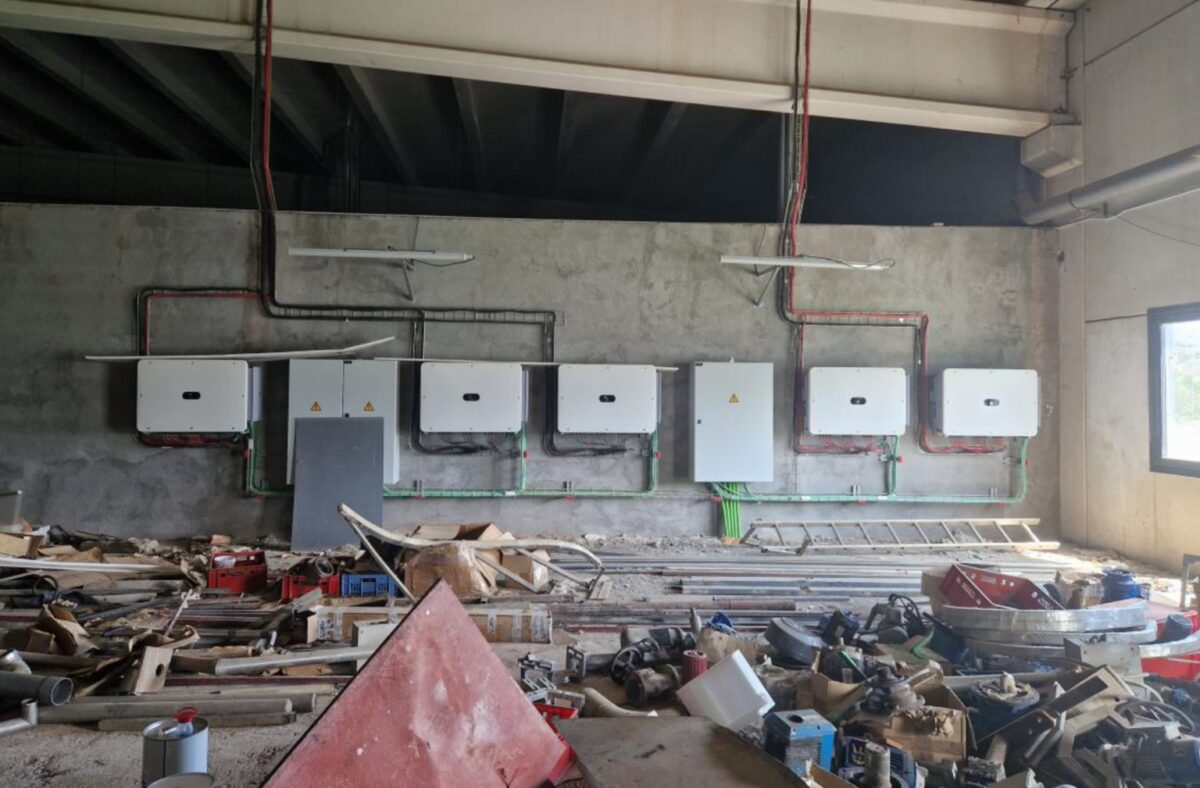
The investigation follows reports of faulty equipment, including signs of melting and burning.
An update published by OCPB confirms Thailand’s Consumer Protection Board (CPB) is currently assisting 17 homeowners who have been impacted by subpar or dangerous solar installations. They are located in the Khon Kaen province, Saraburi province and the Tha Phra area of Thonburi district within Bangkok.
During a meeting held earlier this week by Supamas Isarabhakdi, a government minister attached to the Prime Minister’s Office, three of the impacted homeowners gave evidence of the faulty solar installations. They also said their electricity bills had not decreased following installation of the panels and added that the solar installer has refused to take any responsibility.
Local press in Thailand is reporting that preliminary investigations into the faulty solar installations found several technical failures, including the use of aluminium wiring rather than copper wiring and contractors modifying a home electrical system from three phase to single phase.
OCPB’s update advises consumers experiencing similar problems to file complaints, either via its hotline or online, before adding that Thailand’s CPB has the authority to prosecute. “The circumstances may constitute the offense of selling deceptive goods, which carries both imprisonment and fines,” the board said.
Minister Isarabhakdi has instructed CPB to upgrade the solar panel installation industry to a so-called regulated contract business, which would require all contracts to specify equipment standards and specifications. The minister also said solar related products should be subject to specific labeling regulations and called on consumers to check pieces of equipment before purchasing.
OCPB’s statement adds that government representatives have met with stakeholders from the Thai Industrial Standards Institute, Metropolitan Electricity Authority and Provincial Electricity Authority to discuss ways to protect consumers and prevent such incidents from recurring.
This content is protected by copyright and may not be reused. If you want to cooperate with us and would like to reuse some of our content, please contact: editors@pv-magazine.com.
Popular content