

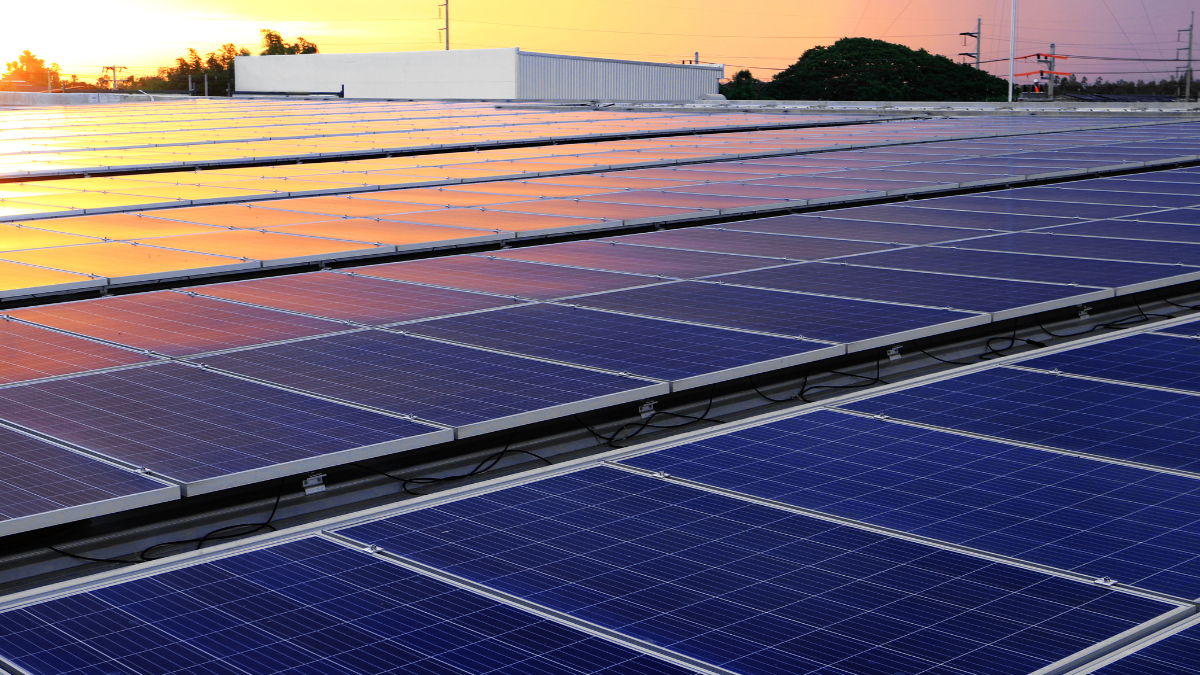

The Government of India has approved the installation of more than 13 lakh rooftop solar systems across ten states and Union Territories under the Utility-Led Aggregation (ULA) model, marking a major step toward expanding clean energy access for economically weaker households. The initiative is part of the larger PM Surya Ghar Muft Bijli Yojana, which aims to accelerate rooftop solar adoption across the country and reduce dependence on conventional fossil fuel-based electricity generation.
According to government officials, rooftop solar installations under the ULA model have already started in Andhra Pradesh, Odisha, Telangana, and the Union Territory of Dadra and Nagar Haveli and Daman and Diu. Several other states and regions, including Bihar, Kerala, Jammu and Kashmir, Tripura, Rajasthan, Chhattisgarh, Karnataka, Maharashtra, and Delhi, have also submitted proposals to participate in the programme.
The Ministry of New and Renewable Energy (MNRE) has set a national target of installing one crore rooftop solar systems by March 2027 under the PM Surya Ghar Muft Bijli Yojana. Out of this overall target, around 30 lakh systems are planned to be deployed through the ULA model. The government believes this approach will play a crucial role in increasing solar adoption among vulnerable and low-income households that have so far remained outside the mainstream rooftop solar market.
Officials noted that financial limitations and lower electricity consumption have been among the key reasons behind limited participation from economically weaker families. At present, over 60 per cent of rooftop solar installations in India fall in the 3-4 kW category, a segment mainly dominated by middle-income households with comparatively higher electricity demand.
Under the ULA model, power distribution utilities will take responsibility for aggregating households, coordinating rooftop solar installations, and facilitating financing support. This system is expected to lower upfront investment requirements for consumers and simplify the overall installation process. By reducing financial and procedural barriers, the government aims to make rooftop solar systems more accessible to households that previously could not afford such investments.
Government data shows that more than 31 lakh rooftop solar systems with a combined installed capacity of 11.4 GW have already been deployed under the PM Surya Ghar Muft Bijli Yojana. The continued expansion of rooftop solar infrastructure is expected to support India’s clean energy transition by reducing household electricity expenses, improving energy security, and lowering carbon emissions from traditional power generation sources.
Related
Discover more from SolarQuarter
Subscribe to get the latest posts sent to your email.
Source link