

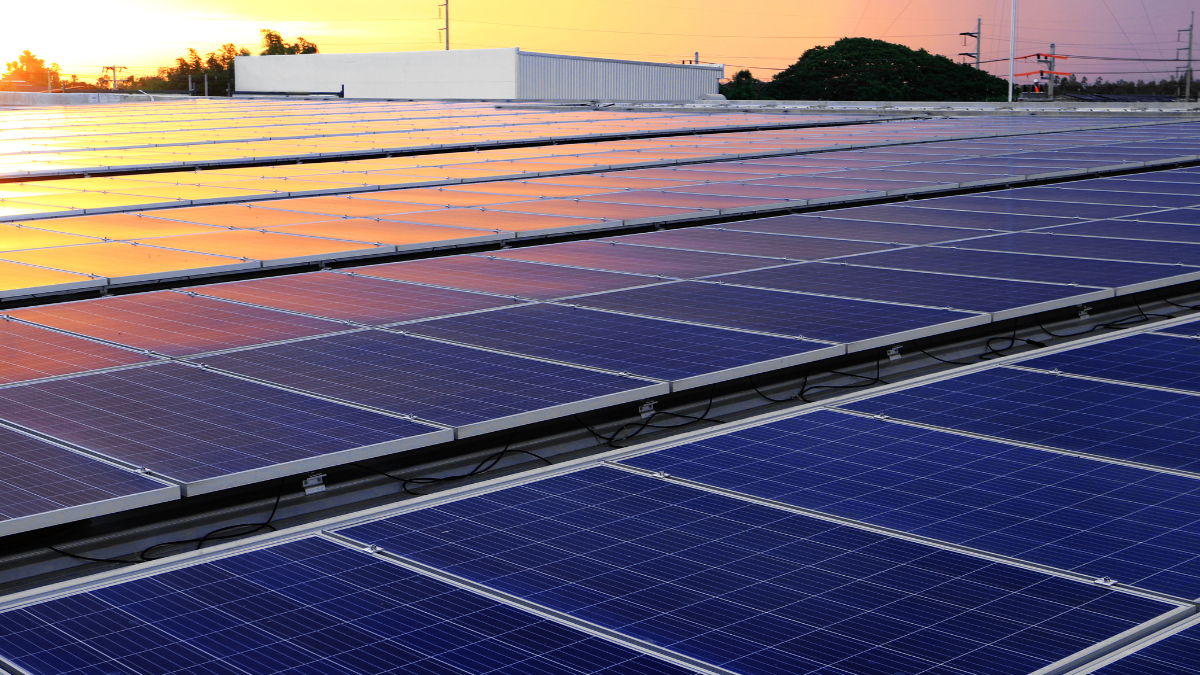

Cambodia’s electricity sector is experiencing a major transformation as the country rapidly expands its solar power capacity. Large-scale utility solar projects have grown much faster than expected, helping Cambodia exceed its renewable energy targets years ahead of schedule. The country’s installed solar capacity has now reached nearly 1.5 gigawatts, surpassing official goals that were originally set for 2030 and 2035. Solar energy currently contributes more than 10 percent of Cambodia’s total electricity generation.

Several factors have driven this growth. A significant increase in solar panel imports from China has helped lower equipment costs, while a government decision to reduce import taxes on renewable energy technologies from 15 percent to zero has made solar projects more affordable and attractive for investors. As a result, utility-scale solar development has accelerated across the country.
Despite the success of large solar projects, rooftop solar installations continue to face significant challenges. The Cambodian government maintains strict limits on rooftop solar deployment due to concerns about grid stability and the potential financial impact on the state-owned utility, Electricite du Cambodge. An annual deployment quota of only 30 megawatts remains in place, restricting the growth of rooftop solar systems.
A major concern for businesses is the government’s new compensation tariff policy. The scheme replaced an earlier capacity charge and allows rooftop solar owners to export excess electricity to the national grid. However, businesses receive no payment for the electricity they supply. In addition, compensation tariff rates for medium and large commercial installations are considerably higher than what industry groups believe is necessary to cover grid maintenance expenses.
According to the Institute for Energy Economics and Financial Analysis (IEEFA), these charges significantly reduce the financial benefits of investing in rooftop solar. The additional costs can extend the payback period for commercial solar projects by almost two years. In many cases, businesses find that the expected savings from generating their own electricity are largely eliminated by the high fees.
The situation presents a challenge for Cambodia’s export-oriented industries, including manufacturing and garment production. These sectors increasingly depend on affordable and sustainable energy to remain competitive in international markets and meet corporate sustainability commitments. Industry experts argue that easing rooftop solar restrictions and introducing fair compensation for surplus electricity could encourage wider adoption of clean energy while helping businesses manage rising energy costs. Such reforms could also support Cambodia’s long-term energy security as the country prepares to integrate more expensive liquefied natural gas projects into its power system.
Related
Discover more from SolarQuarter
Subscribe to get the latest posts sent to your email.
Source link