


Malaysia is set to launch its largest-ever solar energy tender as part of its ongoing efforts to accelerate the transition toward cleaner energy. The new bidding round, known as Large Scale Solar 6 (LSS6), will offer 2,000 MW (2 GW) of solar power capacity, making it the biggest solar tender in the country’s history.

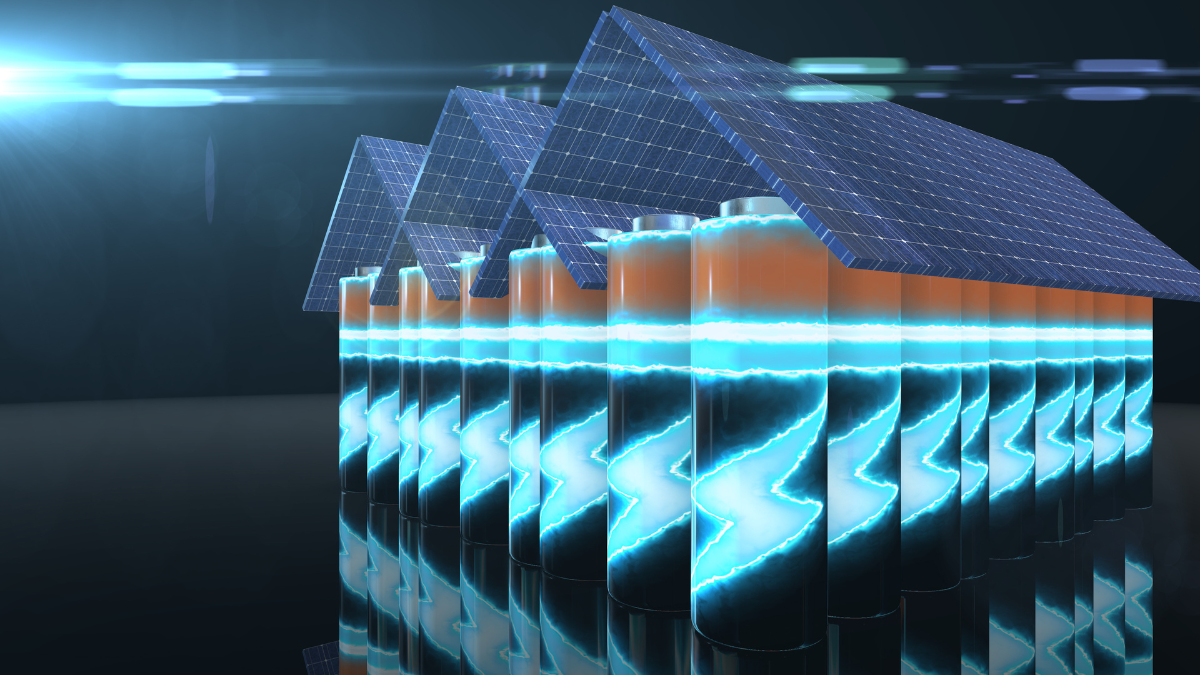
A key feature of the LSS6 program is the mandatory inclusion of Battery Energy Storage Systems (BESS) in all new solar projects. The government has made it clear that developers participating in the tender must integrate battery storage facilities alongside their solar installations. This requirement represents a major shift in Malaysia’s renewable energy strategy and highlights the growing importance of energy storage in modern power systems.
Deputy Prime Minister Datuk Seri Fadillah Yusof stated that the inclusion of battery storage is essential for improving the reliability and stability of the national electricity grid. Since solar power generation depends on sunlight, electricity production can fluctuate throughout the day and during different weather conditions. Battery systems can store excess energy generated during peak sunlight hours and release it when solar generation declines, ensuring a more consistent supply of electricity.
The move is also expected to help Malaysia accommodate a larger share of renewable energy in its power mix while maintaining grid security. Energy storage technology is increasingly being recognized as a critical component in supporting renewable energy expansion worldwide.
The LSS6 initiative aligns with Malaysia’s broader National Energy Transition Roadmap (NETR), which outlines the country’s long-term plans for a cleaner and more sustainable energy sector. One of the key programs under this roadmap is the My Battery Energy Storage System (MyBeST) initiative, overseen by the Energy Commission.
Launched in late 2024, the MyBeST program aims to develop 400 MW of battery capacity and 1,600 MWh of energy storage across four major projects in Peninsular Malaysia. These projects are expected to strengthen grid resilience and support the integration of renewable energy sources.
The government’s focus on combining solar generation with battery storage comes amid concerns over energy security and grid reliability. Authorities have previously discussed accelerating future solar tender rounds to address these challenges. However, the immediate priority remains the successful implementation of the LSS6 program.
Malaysia views the integration of solar energy and battery storage as a crucial step toward building a stronger green economy. According to government estimates, the country’s energy transition initiatives could attract investments of up to 1.3 trillion Malaysian ringgit by 2050, creating significant economic and environmental benefits.
Related
Discover more from SolarQuarter
Subscribe to get the latest posts sent to your email.
Source link