


The ongoing conflict in the Middle East has created significant challenges for energy markets across Southeast Asia, leading to a sharp rise in global crude oil and liquefied natural gas (LNG) prices. Energy prices in the region have increased by nearly 60%, placing additional pressure on governments, businesses, and consumers. The impact has been particularly severe for lower-income households, which are facing higher living costs as energy and transportation expenses continue to rise. The situation has also exposed the risks associated with the region’s dependence on imported fossil fuels.

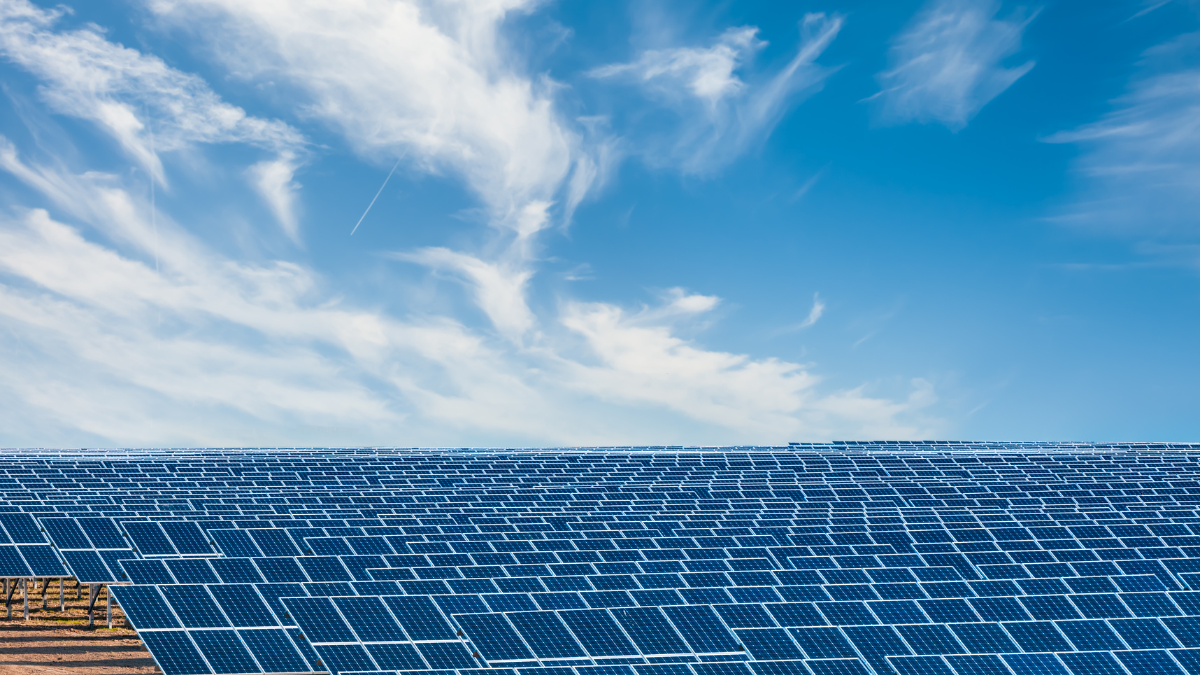
In response to these challenges, Southeast Asian countries are accelerating efforts to transform their energy systems by reducing reliance on imported fuels and increasing the use of domestic renewable energy resources. Solar photovoltaic (PV) technology has emerged as one of the most important solutions in this transition. With abundant solar resources available across the region, governments and investors are increasingly focusing on solar energy as a reliable and cost-effective way to strengthen energy security.
Investment in renewable power generation is expected to grow rapidly in the coming years. According to future energy outlook scenarios from the IEA report, low-emission technologies such as solar PV, wind power, and hydropower are projected to become the largest area of energy investment in Southeast Asia. Annual investments in these technologies could reach nearly USD 70 billion by 2035 and increase further to around USD 90 billion by 2050. These investments are expected to meet most of the region’s growing electricity demand while helping replace aging coal and gas-fired power plants.
At the same time, the regional solar industry is facing a period of major change. During the early months of 2026, Southeast Asia recorded a significant increase in solar PV imports, indicating strong growth in upcoming solar installations. However, the manufacturing sector has been affected by trade measures imposed by the United States on solar modules and cells produced in Cambodia, Malaysia, Thailand, and Viet Nam. The anti-dumping and countervailing duties have created challenges for manufacturers, resulting in facility closures and supply chain adjustments across the region.
As a result, manufacturing investments are gradually shifting to other countries, particularly Indonesia, which is expected to attract a larger share of future production capacity. Industry forecasts suggest that Southeast Asia’s share of global solar module manufacturing capacity outside China may decline from 40% in 2024 to approximately 30% by 2030.
To support the growing share of solar energy in the power mix, Southeast Asian countries are also investing heavily in grid infrastructure and regional connectivity. The planned expansion of the ASEAN Power Grid is expected to play a key role in transporting renewable electricity from resource-rich regions to major demand centers. The proposed network of interconnections will require an estimated USD 27 billion in investment between 2025 and 2040.
In addition, remote islands and isolated communities are increasingly adopting hybrid energy systems that combine solar power with battery storage. These systems are helping reduce dependence on costly diesel generation while improving energy access and reliability. Governments are also introducing financial frameworks and policy initiatives to attract private investment, reduce regulatory risks, and create a more favorable environment for clean energy development across the region.
Related
Discover more from SolarQuarter
Subscribe to get the latest posts sent to your email.
Source link