

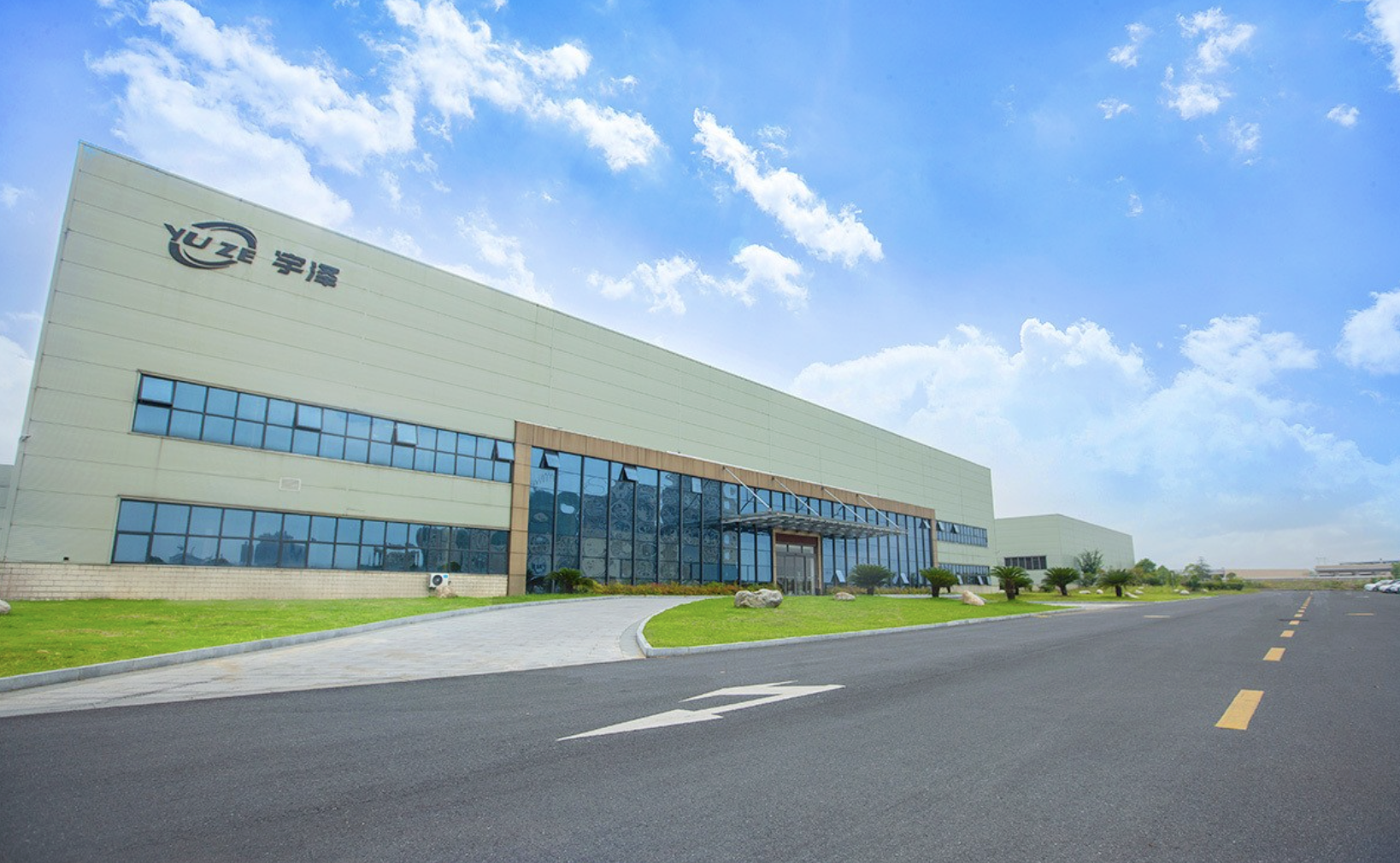
Chinese authorities have suspended most of a planned 20 GW monocrystalline silicon ingot project in the province of Yunnan, requiring its developer to remove three times as much existing manufacturing capacity before restarting construction.
The decision affects a project developed by manufacturer Yunnan Yuze New Energy in Dongchuan district, Kunming. According to a response issued by the Kunming Development and Reform Commission to the municipal people’s congress, only 1.67 GW of the planned production line has been recognized as completed capacity.
Construction of the remaining 18.33 GW has been temporarily halted. To resume the project, Yuze must identify qualifying existing photovoltaic manufacturing capacity within Yunnan and secure its exit at a ratio of 3 GW for every 1 GW of new capacity.
Applied to the full unfinished portion, the requirement would imply the removal of 54.99 GW of existing capacity.
The authorities have not set a deadline for completing the capacity reduction. The project developer is expected to negotiate directly with other companies in Yunnan to identify capacity that can be withdrawn. The response also said there is currently no policy supporting capacity replacement across provincial borders.
Yuze’s Dongchuan project was registered in February 2023 and was originally planned as a two-phase production base with investment of more than CNY 5 billion ($740.3 million). Construction started in April 2023 and part of the first phase entered production in 2024.
The project’s treatment reflects both China’s severe PV manufacturing surplus and Yunnan’s regional industrial planning. A provincial development plan designated Qujing as Yunnan’s core solar manufacturing area, with several other cities identified as priority locations. Kunming was assigned a supporting or coordinated-development role rather than core status.
The 3-for-1 condition is not yet a generally applicable rule for all new PV factories in Yunnan. It is a project-specific requirement disclosed through Kunming’s response and developed after consultations with provincial and central authorities.
It nevertheless represents one of the clearest examples of a Chinese local government linking unfinished PV investment directly to the retirement of existing capacity. For much of the previous expansion cycle, local authorities competed to attract manufacturers with land, financing and infrastructure support. The Yuze case suggests that some governments are now prioritizing capacity control and project viability over investment interest.
The immediate impact on Yuze could be substantial. Finding nearly 55 GW of eligible capacity within one province may prove difficult, particularly if operators are unwilling to close compliant factories or demand compensation for withdrawing them. The restriction could therefore make completion of the project commercially impractical.
Yuze, which produces n-type wafers for TOPCon, heterojunction and back-contact cells, remains in an initial public offering advisory process with Chinese regulators. Delays to the Dongchuan project could harm its IPO plan, although the company is operating other manufacturing bases.
Other provinces may consider similar measures as China attempts to reduce excess capacity across polysilicon, wafers, cells and modules. A high replacement ratio could rapidly limit new supply, but wider adoption would require transparent rules on which facilities qualify for closure, how capacity is verified and whether compensation or trading is permitted. The broader significance of the Yuze case will therefore depend on whether it remains an isolated project settlement or becomes a template for China’s solar supply-side restructuring.
Source link