

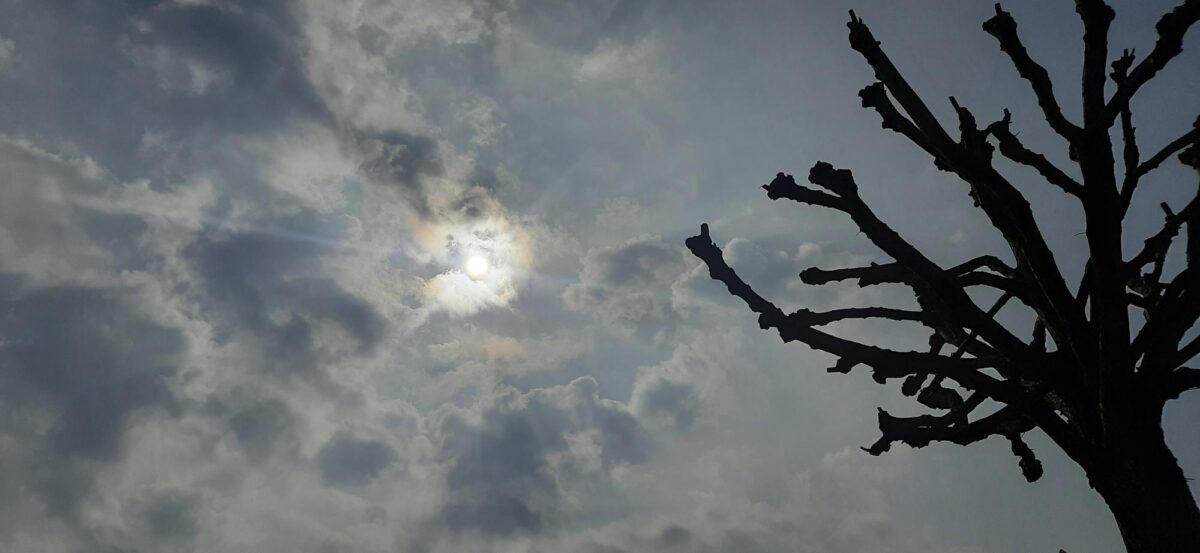
Europe will see a solar eclipse on August 12, with a total eclipse visible along a narrow path and a partial eclipse across much of the continent. As the moon passes between the sun and Earth, solar irradiance will temporarily decline, reducing photovoltaic generation in affected areas.
The impact will vary across countries depending on the degree of solar obscuration, weather conditions, and installed PV capacity. Transmission system operators across Europe are preparing for the temporary reduction in solar power feed-in, but do not expect the event to threaten the security of electricity supply.
German transmission system operators 50Hertz, Amprion, TenneT, and TransnetBW said on Friday that they are preparing for the event together with their European partners. Photovoltaic generation is expected to decline earlier than it would on a typical summer evening. However, the extent of the reduction remains uncertain and will depend largely on cloud cover.
The German transmission system operators forecast a reduction of around 2 GW in photovoltaic generation. Given Germany’s installed photovoltaic capacity of 125 GW, they said the lower output will not affect the country’s electricity supply on Wednesday.
The European Network of Transmission System Operators for Electricity (ENTSO-E) has also established a working group to prepare for the solar eclipse. The situation is being continuously assessed, and measures can be initiated at short notice if necessary. However, no impact on the security of electricity supply is expected, including at the European level.
French grid operator RTE forcasts that, under clear-sky conditions, French photovoltaic output could fall by around 1,800 MW, while European PV generation could decline by nearly 9,700 MW at the peak of the eclipse, between 7:30 p.m. and 9:30 p.m. These reductions are lower than those recorded during the eclipses in 2015 and 2025, while the timing is also favorable, as the event will occur before nightfall.
The partial solar eclipse on March 20, 2015, caused photovoltaic generation in France to fall by around 2,000 MW, while the decline across Europe reached nearly 35 GW. Thanks to careful preparation and coordination among transmission system operators across Europe through ENTSO-E, the grid was operated without difficulty in real time.
The partial solar eclipse in 2021 confirmed the effectiveness of the methods put in place, with a more limited impact of around 550 MW in France. During the most recent solar eclipse visible in France, in 2025, the mobilization of grid operators and advance planning measures once again ensured uninterrupted grid operations. Each event has helped refine the forecasting methods and grid management procedures used today.
Source link