

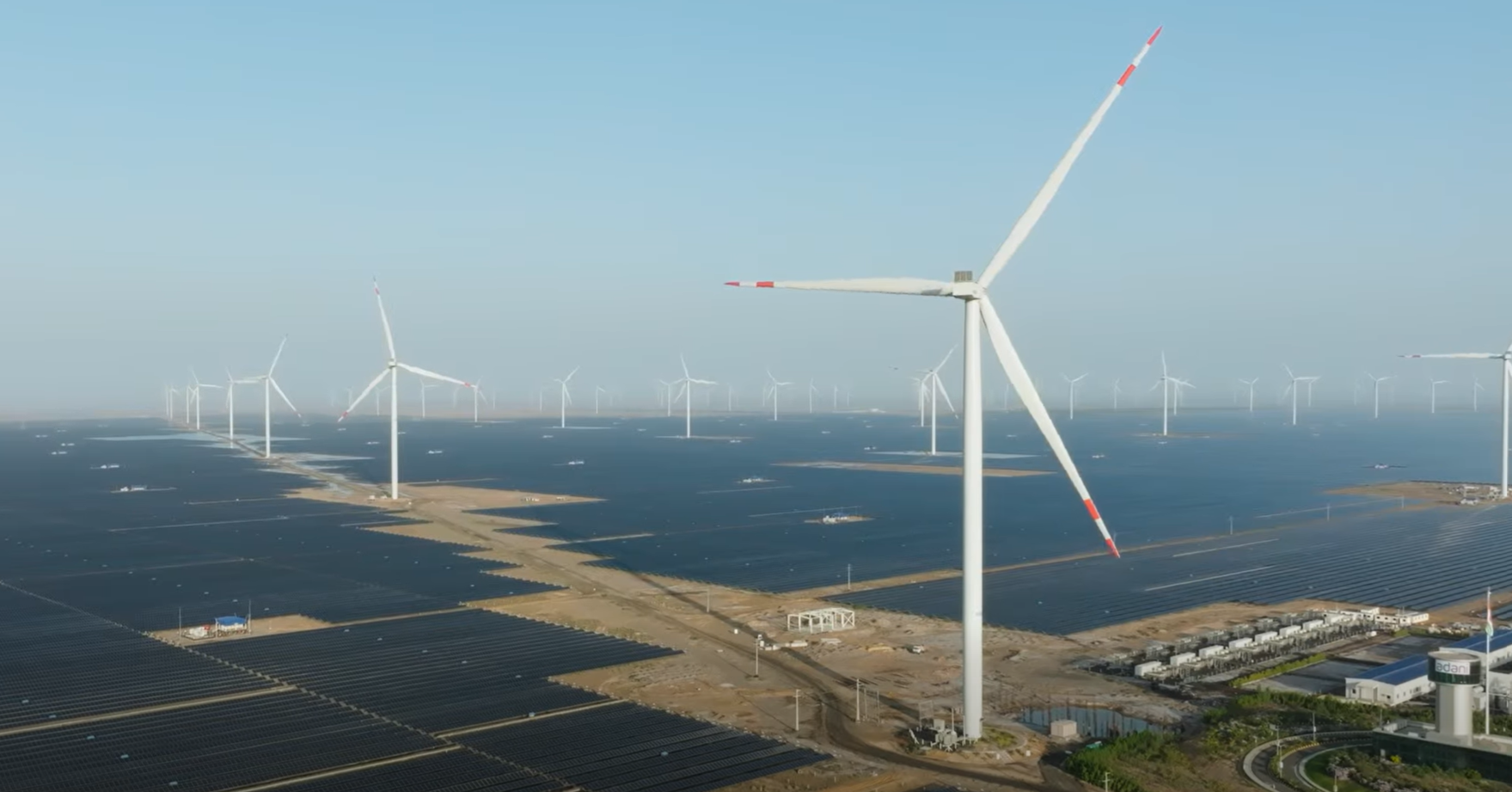
Rating agency ICRA expects renewable energy, including large hydropower, to account for more than 35% of India’s total electricity generation by 2029-30, up from 22% in 2024-25.
The renewable energy project pipeline remains strong, with more than 150 GW under construction as of June 30, 2026. These projects are expected to drive capacity additions in the near to medium term.
However, ICRA said increasing the share of renewable generation will depend on the implementation of the existing project pipeline, including projects that have been awarded and have signed power purchase agreements (PPAs), as well as the development of adequate transmission infrastructure and timely bidding for new projects and PPA signing by central nodal agencies.
Transmission infrastructure has lagged behind generation capacity growth, raising curtailment concerns, particularly for projects operating under temporary general network access (T-GNA).
After 40.6 GW of renewable capacity was awarded in 2024-25, bidding fell to 14.7 GW in 2025-26. The slowdown has continued in the current financial year, with only 4.7 GW awarded as of August 10, 2026.
Meanwhile, unsigned PPA capacity remained substantial at 40-45 GW as of April 2026.
“RE capacity addition is impacted by concerns over transmission connectivity infrastructure as increasing episodes of grid curtailments affect project returns. Around 37% of the capacity at the impacted substations in North, West and South operates under T-GNA and faces curtailment of 30-50% during solar hours,” said Girishkumar Kadam, senior vice president and group head of Corporate Ratings at ICRA.
“Hence, timely execution of intra-state and inter-state transmission infrastructure and enhancement of storage capacity will be critical to protect project economics and sustain the pace of capacity addition, as the ramp up in the share of renewables in the generation mix.”
Storage is likely to become increasingly important for grid stability as renewable penetration rises. Falling battery costs, combined with viability gap funding and extended transmission charge waivers through June 2028, have supported the adoption of battery energy storage systems (BESS) in India.
ICRA said BESS awards have increased significantly over the past 12 to 18 months. Total awarded BESS capacity, including projects under construction and operational projects, reached around 90 GWh as of June 2026.
Based on current battery costs, ICRA estimates the levelized cost of storage for two- to four-hour BESS projects at INR 4 ($0.042)/kWh to INR 7/kWh, compared with around INR 5/kWh for pumped storage hydropower. While four-hour BESS remains more expensive, its execution risks and gestation period are relatively lower.
However, aggressive bidding in standalone BESS tenders could put project economics under pressure, ICRA said.
“The viability of the BESS projects remains critically linked to their capital cost. Based on the average battery cost of $70-75/kWh seen in the recent past, along with associated taxes/duties and cost of the balance of plant, the capital cost is estimated in the range of $110-130/kWh,” said Kadam.
“However, expectations of a further decline in battery prices has led to aggressive bidding activity in the standalone storage tenders. Nevertheless, the reversal in price trends coupled with rupee depreciation against the dollar impacted the economics of some of these projects.”
Kadam said that at prevailing capital costs and interest rates, the cumulative debt service coverage ratio (DSCR) for some previously bid standalone BESS projects appears to be under pressure, with values ranging from 0.80 to 1.20 times.
“While there has been some restoration of pricing power in the recent tenders, the ability of BESS projects to adhere to performance parameters such as availability, round trip efficiency, depth of discharge and degradation remain key monitorables, given the limited track record,” he added.
Source link