

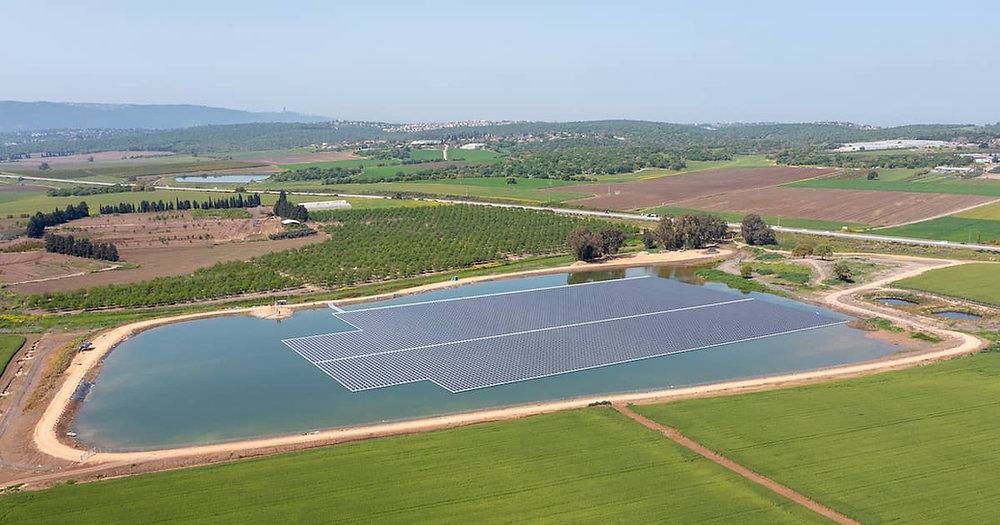
Utility-scale solar design covers a lot of ground before a single panel goes up. It includes site feasibility, solar farm layout, electrical and civil engineering, permitting, and grid interconnection. Miss a step, like an undersized interconnection study or a skipped geotechnical review, and the whole schedule can slip.
This guide walks through utility solar design and utility scale PV system design in the order most projects actually follow, from early site screening through construction documents. We will also cover solar farm layout basics, typical land use per megawatt, and how interconnection rules changed under FERC Order 2023. Treat it as a working solar farm design guide for developers, EPCs, and installer teams handling projects at this scale.
Need engineering support on a commercial or utility-scale project? Sign Up For Free to work with GreenLancer’s solar engineering network.
What Is Utility Scale Solar?
Large-scale solar siting research from the U.S. Department of Energy defines utility-scale, or large-scale, solar as ground-mounted projects generally above 1 MW. Some markets and utilities draw the line differently, so it is worth checking local interconnection tariffs before assuming a project qualifies. This guide focuses on utility-scale photovoltaic (PV) systems rather than concentrating solar power (CSP), since PV makes up the large majority of new utility-scale capacity.
-
Community solar: roughly 1 to 5 MW
-
Mid-size commercial or hybrid projects: roughly 5 to 20 MW
-
Utility-scale ground mount: 20 MW and up
-
Large hybrid solar-plus-storage projects: 100 MW or more
How Does A Utility-Scale Solar Farm Work?
A utility-scale solar farm moves power through several stages before it reaches the grid. PV modules generate DC electricity, which travels through strings to central or string inverters for conversion to AC. From there, medium-voltage transformers step up the voltage for the collection system, which feeds a substation and ultimately the point of interconnection (POI).
That last stretch, from substation to POI, determines how much of the plant’s output the grid can actually absorb. For a closer look at that hand-off, see how solar farms connect to the grid.
-
PV modules and strings (DC)
-
Inverters (DC to AC conversion)
-
Medium-voltage transformers
-
Collection system (underground or overhead MV cabling)
-
Project substation
-
Point of interconnection (POI) to the utility or transmission system
What Are The Main Components Of A Utility-Scale Solar Farm?
Each component in a utility-scale solar farm carries its own design considerations, and getting one wrong tends to ripple into the others. The table below breaks down the major systems and what to check for during design.
|
Electrical characteristics, bifaciality, degradation rate |
|
|
Row spacing, ground coverage ratio, wind and snow load tolerance |
|
|
DC/AC ratio, MPPT architecture, grid-support functions |
|
|
Voltage step-up, impedance, thermal loading |
|
|
Cable sizing, routing, voltage drop |
|
|
Protection relays, metering, switching |
|
|
Monitoring, remote curtailment, alarm handling |
|
|
Battery Storage (Optional) |
Hybridization, charge/discharge controls, interconnection impact |
How Do You Design A Utility-Scale Solar Farm?
Utility-scale solar design follows a fairly consistent sequence, even though the specifics shift by state and utility. Interconnection should get evaluated early rather than as an afterthought, since a technically strong site can still fall apart economically if the point of interconnection needs major upgrades. Below is the general order most development teams follow, from initial screening to construction-ready documents.
✅ Evaluate Site And Interconnection Feasibility
Before committing engineering hours to a site, confirm it can actually connect to the grid at a reasonable cost. A solar feasibility study at this stage typically screens land control, zoning, transmission proximity, and available interconnection capacity.
-
Land control status (option, lease, or purchase)
-
Distance to existing transmission or distribution lines
-
Preliminary POI capacity and queue position
-
Zoning and land use designation
-
Offtake or PPA context
✅ Complete Survey, Geotechnical, And Environmental Review
Once a site clears initial screening, field data collection starts. A thorough solar site survey captures the topographic, soil, and boundary information that later design steps depend on.
-
Topographic survey and boundary/easement confirmation
-
Geotechnical borings and pile refusal risk
-
Wetlands delineation and floodplain review
-
Drainage patterns and stormwater constraints
-
Environmental and species screening
✅ Develop The Solar Farm Layout
Solar farm layout decisions drive most of a project’s downstream cost and performance. Fixed-tilt racking is simpler and cheaper to install, while single-axis trackers usually produce more energy per MW at the cost of added mechanical complexity.
-
Fixed-tilt vs single-axis tracker selection
-
Row spacing and ground coverage ratio (GCR)
-
Setbacks from property lines, wetlands, and roads
-
Access road and inverter pad placement
-
Shading and terrain constraints
✅ Complete Electrical Design
Electrical design ties the DC and AC sides of the plant together. This step sets the DC/AC ratio, sizes the medium-voltage collection system, and finalizes grounding and protection schemes.
-
DC/AC (inverter loading) ratio
-
String and combiner architecture
-
MV collection cable sizing and routing
-
Grounding, bonding, and protection coordination
-
Transformer selection and placement
✅ Complete Civil And Structural Engineering
Civil and structural work has to hold up under real site conditions, not just design assumptions. GreenLancer’s structural and electrical engineering review covers foundation and racking calculations for projects at this scale.
-
Grading, drainage, and stormwater management
-
Erosion and sediment control planning
-
Access road design and load ratings
-
Foundation and pile design
-
Wind, snow, and seismic loading calculations
✅ Model Energy Production
Production modeling turns the physical design into an expected energy output. It also flags where inverter clipping or shading losses might eat into revenue before construction starts.
-
Site irradiance and weather data
-
Shading and row-to-row losses
-
Inverter clipping at the chosen DC/AC ratio
-
Degradation and availability assumptions
-
P50 and P90 production estimates
✅ Complete Permitting And Interconnection Documentation
This is usually the longest step in the schedule, since it runs on the utility’s and jurisdiction’s timelines rather than the design team’s. Solar permit design work and a properly scoped interconnection application both need to reflect the final electrical and civil design, not an earlier draft.
-
Zoning or conditional use permit application
-
Environmental permits, where applicable
-
Interconnection application and single-line diagrams
-
Utility study deposits and fees
-
AHJ plan review submittal
✅ Issue Construction Documents
Once permits and interconnection agreements are in hand, the design package gets finalized into an issued-for-construction (IFC) set. Expect at least one round of review comments from the AHJ or utility before the set is truly final.
-
Coordinated IFC drawing set across disciplines
-
Response to plan review or utility comments
-
Construction sequencing notes
-
As-built documentation plan for closeout
Working through utility-scale plan sets in-house is a heavy lift for most teams. Sign Up For Free to scope design, engineering, or interconnection support for your next project.
Image credit: Leona Lozanova
How Many Acres Does A Utility-Scale Solar Project Need Per MW?
Land use is one of the most-searched utility-scale solar questions, and the honest answer is it depends on the technology. NREL’s land-use analysis of utility-scale PV plants found a capacity-weighted total-area average of about 8.9 acres per MW-AC, based on data from 147 PV plants across the country.
That average hides a fair amount of spread. Fixed-tilt systems generally use less land per MW than single-axis tracking systems, since trackers need more row spacing to avoid self-shading.
-
Fixed-tilt vs tracker mounting
-
Ground coverage ratio (GCR)
-
Terrain and slope
-
Setback requirements
-
Stormwater management area
-
Access roads and substation footprint
Utility-Scale Solar Interconnection And The Point Of Interconnection
The point of interconnection (POI) shapes more of the project than its name suggests. Where and how a project connects can influence AC capacity, inverter configuration, transformer sizing, and protection requirements, sometimes enough to change the economics of the whole site.
Interconnection timelines also changed meaningfully under FERC Order No. 2023, which moved most transmission providers from a serial, first-come-first-served review process to a cluster study model. Under the cluster approach, projects are studied in groups and evaluated for commercial readiness rather than queue position alone.
-
Plant AC capacity and inverter sizing
-
Transformer and substation configuration
-
Protection and reactive power requirements
-
Network upgrade costs and cost allocation
-
Overall project schedule and economics
Utility-Scale Solar Permitting Considerations
Permitting for utility-scale solar touches more jurisdictions than a typical rooftop project. Local zoning boards, state agencies, and sometimes federal reviewers can all have a say before construction starts.
-
Zoning classification and conditional use permits
-
Setback and screening ordinances
-
Environmental review, including wetlands and species impacts
-
Host community engagement and public hearings
-
Decommissioning plans or bonding requirements, where required
Utility-Scale Solar Design And Engineering Support From GreenLancer
GreenLancer supports commercial and utility-scale solar teams with design and engineering services scoped to the project. Structural, electrical, and civil engineering review is available through GreenLancer’s nationwide engineering network, while interconnection support is scoped according to the project and serving utility.
|
Electrical Engineering Review |
Licensed engineering review |
|
Structural Engineering Review |
Review, calculations, and stamp where required |
|
Available for applicable projects |
|
|
Licensed engineers across all 50 states |
|
|
Scoped by project and utility requirements |
Have a utility-scale project moving toward permitting? Complete the form below to connect with GreenLancer’s design, engineering, and interconnection network.
Utility-Scale Solar Design FAQs
A few common questions on utility-scale solar design, land use, and engineering requirements:
What Is Considered Utility-Scale Solar?
Utility-scale solar generally refers to ground-mounted PV projects larger than 1 MW, per DOE’s large-scale solar siting definitions. Some states and utilities set their own thresholds for interconnection tariffs or incentive programs, so it is worth confirming the local definition before assuming a project qualifies.
How Efficient Are Utility-Scale Solar Inverters?
Utility-scale central inverters typically post CEC-weighted efficiency in the high 97% to 99% range, with peak efficiency sometimes listed slightly higher on the datasheet. Real-world efficiency usually runs a bit lower once temperature, partial-load operation, and MPPT tracking losses are factored in, so weighted ratings are a better planning number than peak figures.
What Engineering Is Required For A Utility-Scale Solar Farm?
Utility-scale projects typically need electrical, civil, and structural engineering, plus geotechnical review depending on site conditions. Electrical design covers the DC system, inverters, MV collection, grounding, and protection, while civil design addresses grading, drainage, and access roads. Structural engineering covers racking, foundations, and equipment supports.
How Many Acres Does A Utility-Scale Solar Farm Need?
Based on NREL’s land-use data, utility-scale PV plants average around 8.9 acres per MW-AC of total project area. Actual land needs vary with racking type, ground coverage ratio, terrain, and required setbacks, so this figure works best as a planning benchmark rather than a fixed rule.
Do Utility-Scale Solar Projects Require PE-Stamped Drawings?
Most jurisdictions and utilities require professional engineer (PE) stamps on structural and electrical drawings for utility-scale solar projects. Requirements vary by state and by AHJ, so confirm licensing and stamping rules early in the permitting process rather than after drawings are complete.
Source link