

From ESS News
oogle, battery storage developer esVolta, and clean-energy platforms Quintrace and LevelTen Energy have completed a three-month pilot testing a new commercial structure for storing surplus solar power. The project released stored power, along with hourly-verified renewable energy credits, during hours when Google’s electricity demand outpaced its renewable supply.
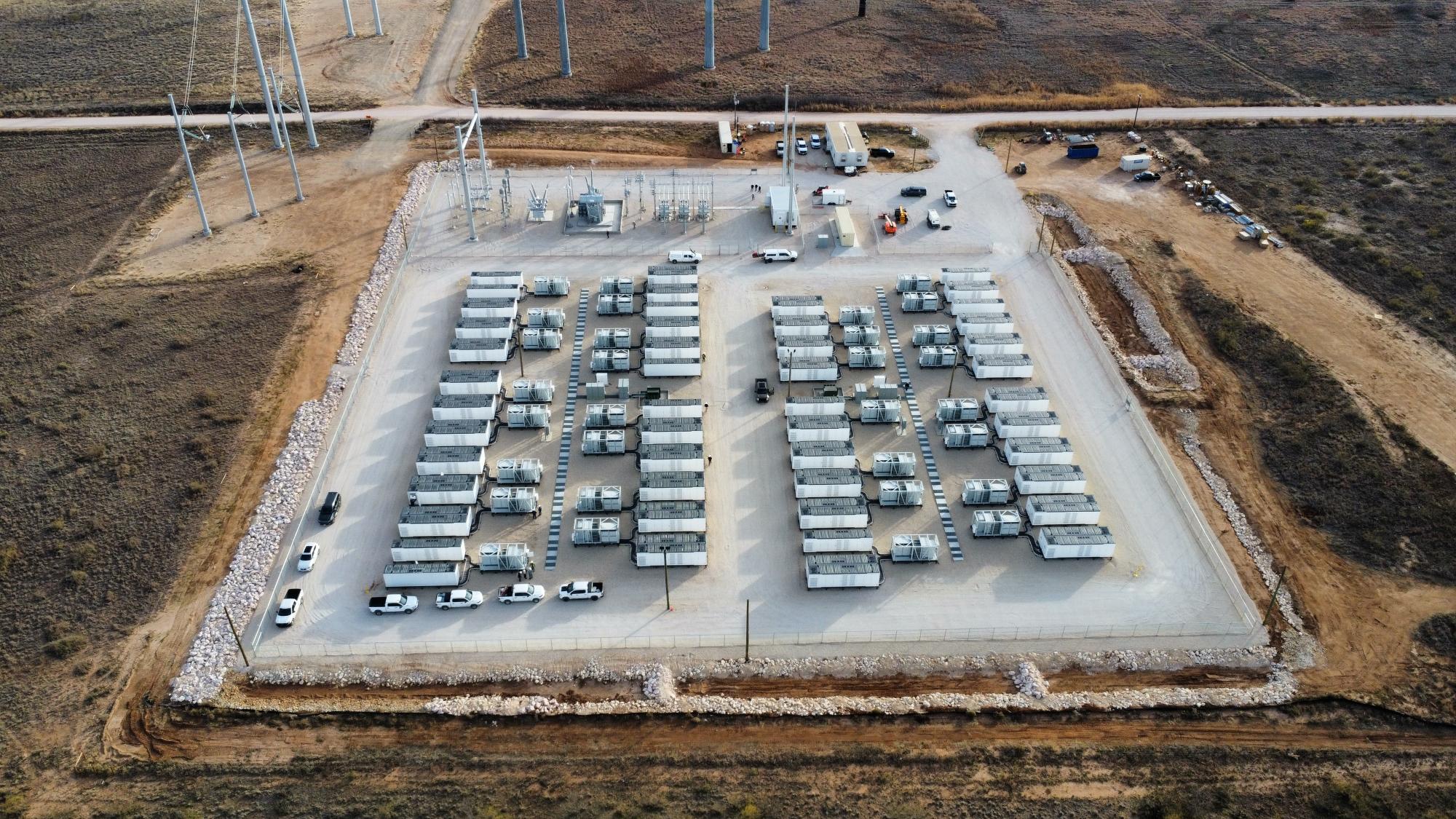
Google sponsored the pilot to test whether battery storage can be used to “time-shift” renewable electricity and its associated environmental attributes. The project shifted a combined 9.2 GWh of solar-charged electricity through two of esVolta’s US battery energy storage systems: the 240 MW/480 MWh Anole project and the 100 MW/200 MWh Burksol project, together totaling 340 MW and 680 MWh of capacity. EsVolta has developed, owned and operated utility-scale battery projects across North America since 2017.
Google identified specific daily windows when its electricity consumption was expected to exceed its available renewable supply. EsVolta charged its batteries with surplus solar generation during other hours and discharged that stored electricity, along with associated renewable energy credits, into those identified gap periods.
Google did not toll the batteries or take on merchant or dispatch risk under the arrangement. EsVolta retained full operational control of the assets, including the ability to respond to price signals or grid emergencies outside the agreed windows.
The renewable attributes involved in the pilot were tracked using “granular certificates,” a form of energy attribute certificate that carries an hourly timestamp rather than the monthly or annual aggregation used by conventional renewable energy certificates. Granular certificates are issued according to a standard developed by EnergyTag, a nonprofit organization.
Quintrace verified each hour of battery charging and discharging against that standard, applying loss calculations to determine how much certified renewable electricity was actually delivered after storage. LevelTen managed the registry accounts underpinning the transactions to prevent the same renewable attributes from being counted more than once.
The companies described the arrangement as the first publicly detailed commercial structure in which a corporate buyer contracts specifically to time-shift environmental attributes it already owns through battery storage, rather than purchasing new generation capacity or directly tolling a storage asset.
The pilot is part of Google’s broader effort to match its electricity consumption with carbon-free energy on an hourly basis, rather than only on an annual net basis, as it works toward a stated goal of powering its data centers with 24/7 carbon-free energy by 2030. The tech group has reported matching 100% of its annual electricity consumption with renewable energy, but only around 65% of its consumption on an hourly basis, highlighting a gap it has said it is seeking to close through its 24/7 carbon-free energy strategy.
Corporate carbon-accounting standards bodies have been evaluating whether and how to incorporate more granular electricity-matching concepts into their frameworks, but neither of the two major relevant standards has settled on a mandatory hourly-matching requirement.
SBTi’s Corporate Net-Zero Standard, Version 2.0, published in June, requires large electricity users – those consuming at least 10 GWh of electricity annually – to calculate and report their hourly renewable-matching rate. That reporting requirement becomes mandatory for larger companies when the standard opens for validation in February 2027. Actually achieving a high hourly-matching rate remains a separate, optional basis for recognition under the standard, rather than a requirement for target validation itself.
The GHG Protocol, which sets the accounting rules most companies use for Scope 2 emissions reporting, has been evaluating similar changes but has not adopted a mandatory hourly-matching requirement. A public consultation on proposed revisions ran from October 2025 to January 2026 and drew more than 1,000 responses. Only about 22% of respondents, and roughly 12% of companies that responded, supported making hourly matching mandatory.
Uncertainty over the pending revision has already been linked to a slowdown in corporate clean-power procurement, with corporate PPA volumes down 10% in 2025 as buyers waited for clarity on the rules. The GHG Protocol’s standards board has since directed its technical working group to develop multiple possible reporting approaches rather than a single mandatory rule, and a revised standard is not expected to be finalized until the end of 2028.
The esVolta pilot follows several earlier steps in Google’s push toward granular carbon accounting. In 2023, the company ran a similar real-world test of hourly timestamped certificates with Danish utility Energinet and renewable energy supplier Better Energy, matching production and consumption data on an hourly basis for the first time.
More recently, researchers have found that early corporate commitments to 24/7 carbon-free energy purchasing, even partial ones, could help lower costs for long-duration energy storage technologies by providing early revenue and real-world operating data – a dynamic the esVolta pilot’s storage-based time-shifting model appears designed to help capture.
Source link