

September 22, 2026
Data analysis firm Wood Mackenzie has good news for the American energy storage sector in its latest U.S. Energy Storage Monitor report, as the market installed a record 18.9 GWh in Q2 2026.
Even as installed power fell 7% year over year, Wood Mackenzie’s research finds that longer duration storage in utility-scale and residential storage systems drove the sector further than ever. The wattage itself went down slightly, as the company’s research notes, but wattage-hours exploded, up 17% year over year from Q2 2025.
In a practical sense, that means the national average’s energy storage duration went from 2.8 hours to 3.5 hours thanks to installations from Q2 2026.
“Battery storage is one of the most important tools we have to meet growing electricity demand,” says John Hensley, SVP of markets and policy analysis at American Clean Power. “Storage can be deployed quickly, strengthens reliability, and helps the grid make better use of both existing and new generation. With a strong pipeline and continued technology improvements, the outlook for storage remains exceptionally strong.”
The implications of this data are far-reaching across the American energy industry, Wood Mackenzie officials say.
Storage has become a trend in the solar and energy sector over the past few years. Now, that trend has its guiding star: AI data centers.
“Data center buildout strengthens the U.S. storage outlook across all sectors. Storage can provide needed capacity faster, cheaper and more reliably than gas alone,” says Allison Feeney, research analyst at Wood Mackenzie. “As hyperscalers increasingly face grid-connection bottlenecks, utility-scale storage will enable speed to power for data centers.”
As data centers continue to drive the storage market forward, the numbers tell a promising story for 2026.
By the numbers
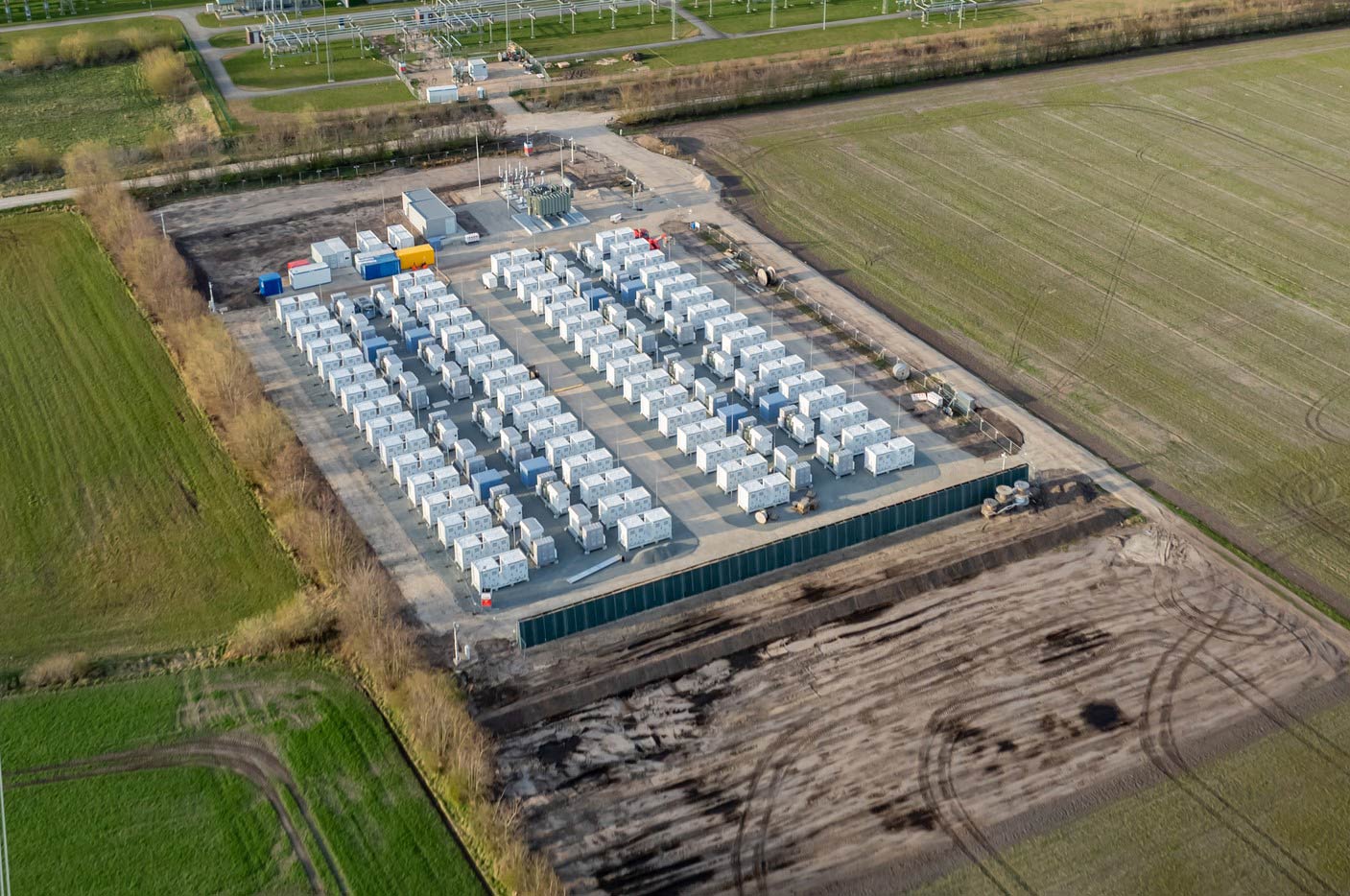
Much of the AI data center-related came from the American utility-scale storage segment, according to Wood Mackenzie’s data. Comparing Q2 2025 to Q2 2026, the segment went down in pure wattage, installing just under 4.7 GW in Q2 2026 — good for an 8% drop in installation. However, the wattage-hours of the utility-scale segment moved up 16% from 2025 to 2026, as the segment installed more than 17.6 GWh in Q2 2026.
The commercial and industrial sector of the storage market remained largely stagnant year over year, Wood Mackenzie’s data says. The segment remained practically unchanged, installing 49 MW in Q2 2025 and 48 MW in Q2 2026. Additionally, the wattage-hour numbers stayed consistent, going from 104 MWh in Q2 2025, to 103 MWh in Q2 2026.
But perhaps the most promising figure from the storage segment in Q2 2026 was the residential segment. Looking at the year over year numbers, Wood Mackenzie’s research states that the residential storage market was the only segment of the three to see an uptick in wattage itself, installing 676 MW for a 3% increase over Q2 2025.
The biggest swing in favor of the residential storage segment came from wattage-hour installation, Wood Mackenzie says. Going from 791 MW installed in Q2 2025, to nearly 1.2 GW in Q2 2026, the sector saw a 48% increase year over year.
A promising forecast
Looking forward, Wood Mackenzie representatives estimate that the American solar market will reach 207 GW / 715 GWh by 2031. Thanks to continued utility electrification, data center buildout, and the potential reinstatement of the Biden-era Solar For All program, the market is well-positioned for growth through the end of the decade.
With a 21% jump in wattage-hour installation from 2025 to 2026, the market should continue to expand as it enables large load growth, the data company states. While the utility-scale sector could stagnate in 2027 as it adjusts to new supply chain dynamics, 2028 and beyond is expected to be a growth period for the market as a whole.
Additionally, the market is receiving some help from an unexpected source: electric vehicles.
“The slowdown in EV demand has become an unexpected tailwind for storage,” says Allison Weis, Wood Mackenzie’s global head of energy storage. “Manufacturers are repurposing idle EV cell capacity, accelerating the domestic supply base just as trade policy makes it most valuable.”
In total, Wood Mackenzie officials say the U.S. energy storage market could add more than 130 GW / 534 GWh, in the utility-scale segment alone, between 2026 and 2031. The commercial and industrial segment is equally rosy with an expectation of 29% growth between 2026 and 2031. While the national residential storage market will likely drop slightly before the end of the 2026, that downgrade represents a mild hiccup in an otherwise bullish prediction.
Tags: BESS, commercial and industrial, ESS, home storage, research, storage, utility-scale, Wood Mackenzie
Source link