

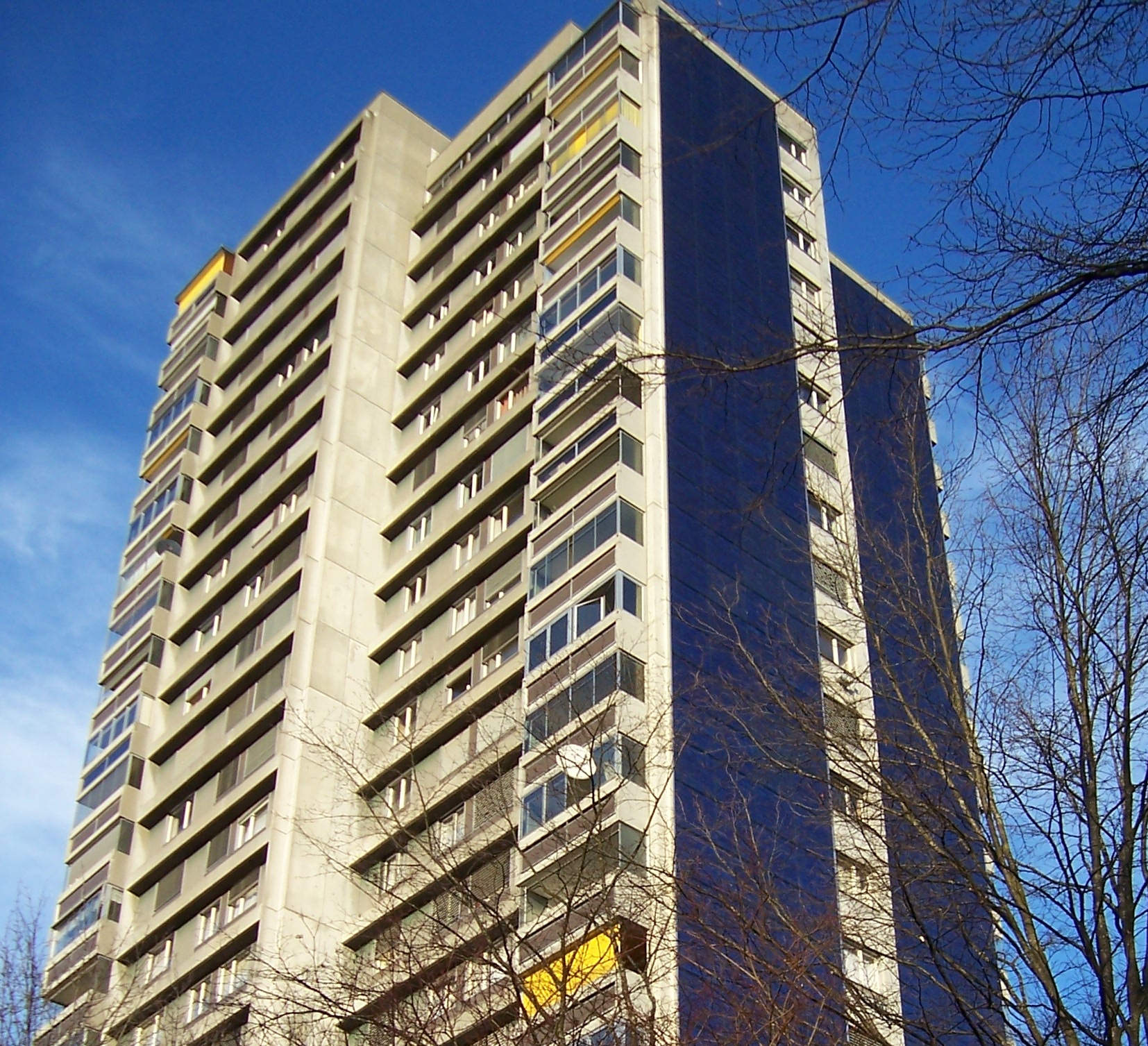
Japanese construction company Takenaka Corp. said its hydrogen-linked energy management system at a 24-unit apartment building in Kurobe, Japan’s Toyama prefecture, has moved surplus summer solar power into the winter months as intended during its first year of operation.
The system pairs I.SEM, an energy management system Takenaka developed to integrate distributed power sources such as solar arrays, batteries, and electric vehicles, with a power-to-gas hydrogen system.
Surplus solar electricity in summer is used to produce green hydrogen, which is stored in a hydrogen-absorbing alloy and converted back into electricity and heat by a fuel cell in winter, when solar output is lower. Waste heat from hydrogen storage and the fuel cell supports the building’s central hot-water supply, which runs on heat pump water heaters, according to the company’s release.
The system is installed in Building O of the fifth block of Passive Town, a housing development by YKK Real Estate in Kurobe. The seven-story building, completed in March 2025, has 2,387 m2 of floor space.
Takenaka said a one-year evaluation of the system, which started operating in April 2025, confirmed that hydrogen produced in summer was stored and later used to generate electricity in winter, and that the battery and other distributed resources were managed as planned. The company aims to supply 95% of electricity demand in the apartments themselves, excluding common areas, from on-site renewable energy alone.
The Osaka-based contractor described the project as the first installation in Japan of a hydrogen-utilizing energy management system in an apartment building.
The company did not disclose the capacity of the solar array, battery, electrolyzer, hydrogen storage, or fuel cell. Nor did it publish how much hydrogen was produced, how much electricity the fuel cell generated, or the share of demand met by on-site renewables in the first year. It said it will continue to monitor the system’s operation.
Japanese contractor Taisei Corp. has tested a similar approach for seasonal storage at a zero energy building test facility in Yokohama, using two 450 kWh lithium-ion batteries, a 5.0 Nm3/h proton exchange membrane (PEM) electrolyzer, a 2,000 Nm3 hydrogen tank, and a 5 kW fuel cell.
Other building-scale solar-to-hydrogen projects in Japan include a solar-powered hydrogen production trial at a high-rise office complex in Tokyo, whose backers also have not disclosed system capacities, and a 2023 pilot by Sekisui House-W that uses surplus rooftop solar to run a small electrolyzer in a residential building. Economic curtailment of solar has now occurred in every transmission system operator area in Japan, after reaching the Tokyo area in March 2026.
Researchers from Finland’s LUT University and Germany’s Regensburg University of Applied Sciences have identified high investment costs and the low efficiency of converting electricity to hydrogen and back as major drawbacks for seasonal hydrogen storage in residential solar systems.
Source link