

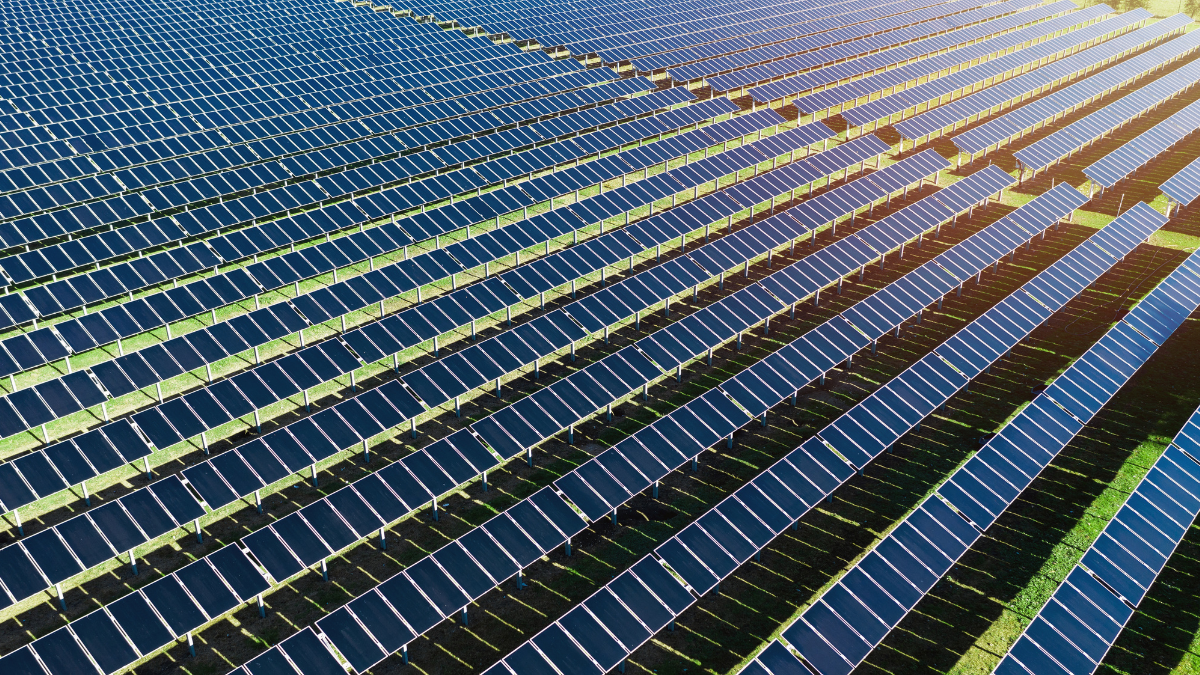

Brazil’s power sector is poised for significant expansion, with an expected addition of 76 gigawatts (GW) of new solar and onshore wind capacity by 2035, according to Wood Mackenzie’s latest Brazil Long-term Power Market Outlook. This growth is largely driven by distributed solar adoption, which is projected to grow at a compound annual growth rate (CAGR) of 5.5%, and by projects seeking to benefit from existing transmission and distribution tariff discounts.

Despite the strong pipeline, the pace of renewable energy deployment has slowed considerably when compared to the rapid expansion seen in prior years. This deceleration is attributed to a convergence of market and regulatory challenges, including oversupply conditions, increased renewable energy curtailment, rising photovoltaic (PV) module tariffs, newly imposed grid usage charges that impact investment returns, and operational difficulties with distribution companies.
According to Marina Azevedo, senior power analyst at Wood Mackenzie, the extended availability of tariff subsidies has prompted renewable energy developers to delay strategic decisions until greater regulatory certainty is achieved and market prices recover.

The report also highlights that renewable energy curtailments in Brazil’s National Interconnected System (SIN) are expected to average around 8% through the next decade. The impact is especially pronounced in the Northeast submarket, where curtailment rates are forecast to reach 11%, significantly higher than the 2% projected for the Southeast and Centre-West regions. The underlying issue is the inability of infrastructure development to match the pace of new renewable energy generation, particularly during peak solar output hours between 8 a.m. and 5 p.m.
While 11 GW of new transmission capacity is planned by 2029—including the Silvania–Graça Aranha bipolar line—Wood Mackenzie warns that this will be insufficient to address the systemic oversupply challenges on its own. Transmission delays, combined with demand concentration in other regions, are expected to drive curtailment rates even higher.
In this context, battery storage emerges as a critical lever to address the imbalance. From 2032 onward, the report expects increased deployment of battery storage systems and advancements in longer-duration storage technology to help absorb excess generation and convert curtailed energy into viable market value. Batteries are also expected to support demand response measures, improving system flexibility and helping renewable generators offset revenue losses caused by curtailment.
However, high capital costs remain a significant barrier to widespread battery adoption. The success of Brazil’s energy transition will depend heavily on regulatory interventions. A key policy milestone is the proposed storage-focused auction, which is expected to provide the necessary incentives for battery deployment. Delays in this auction process could severely hinder battery integration and allow curtailment issues to worsen.
While Brazil continues to position itself as a leader in clean energy development, the pace of transition will increasingly depend on grid readiness, investment conditions, and timely policy execution. Without strategic regulatory and infrastructure alignment, the country risks underutilizing its renewable potential and facing prolonged energy system inefficiencies.
Related
Source link