


The Ministry of Power has released the Draft Electricity (Rights of Consumers) Amendment Rules, 2026, inviting public comments on proposed changes aimed at strengthening consumer protection, improving grid management, and supporting the growing share of renewable energy in India’s power system.
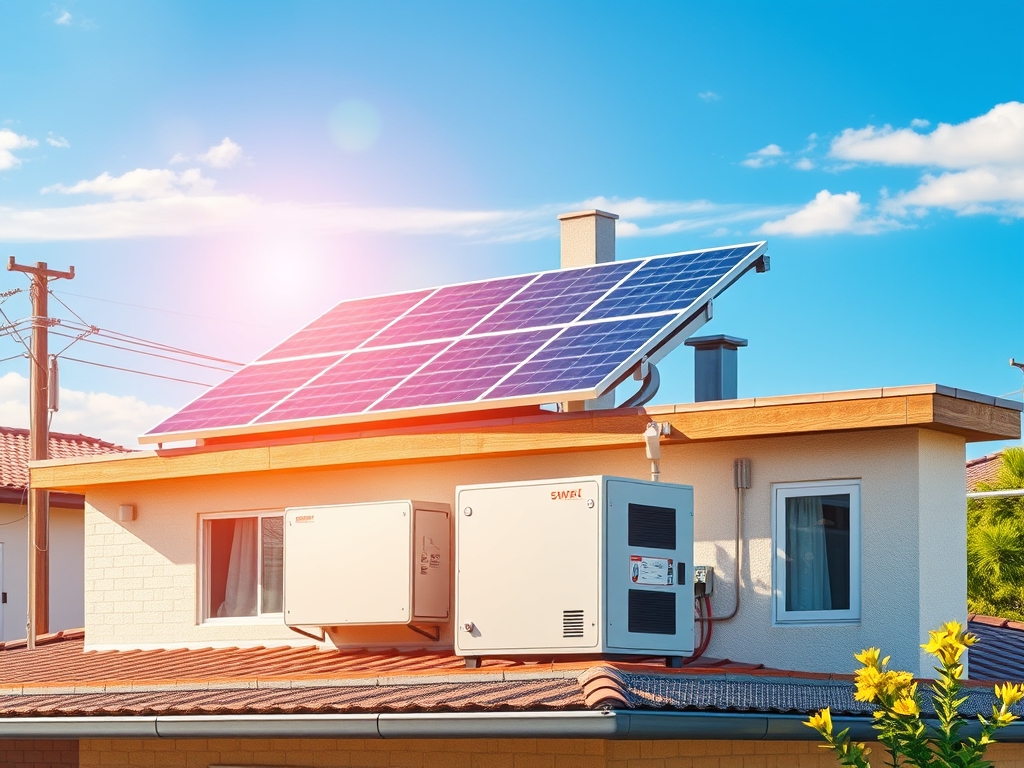
A key focus of the draft rules is enabling greater integration of distributed renewable energy, particularly rooftop solar. The proposed amendments clarify provisions related to net metering, net billing, gross metering, and net feed-in mechanisms, stating that these arrangements will continue to be governed by regulations issued by State Electricity Regulatory Commissions. This ensures flexibility for states while maintaining a structured framework for solar prosumers.
The draft also highlights the growing importance of energy storage systems in supporting renewable energy integration. State Commissions may require prosumers with renewable installations above 500 kW capacity to install energy storage systems of suitable capacity. This move is intended to help manage variability in renewable generation and improve grid stability as renewable penetration increases.
Another notable proposal concerns Time-of-Day (ToD) tariffs, which aim to encourage electricity consumption during periods of high solar generation. Lower tariffs during solar hours could allow consumers to reduce electricity costs while helping balance demand on the grid.
The amendments also propose automatic review mechanisms for abnormally high or low electricity bills, requiring distribution companies to investigate unusual consumption patterns and resolve issues within 30 days. This measure seeks to protect consumers from billing errors and improve transparency.
Overall, the proposed rules reflect the government’s broader strategy to build a consumer-centric, flexible, and renewable-ready power system, aligning regulatory frameworks with India’s rapidly expanding clean energy ecosystem.
Related
Discover more from SolarQuarter
Subscribe to get the latest posts sent to your email.
Source link