

Sponsored content.
Guayepo in Colombia: Enel’s solar hub that brings together technology and community
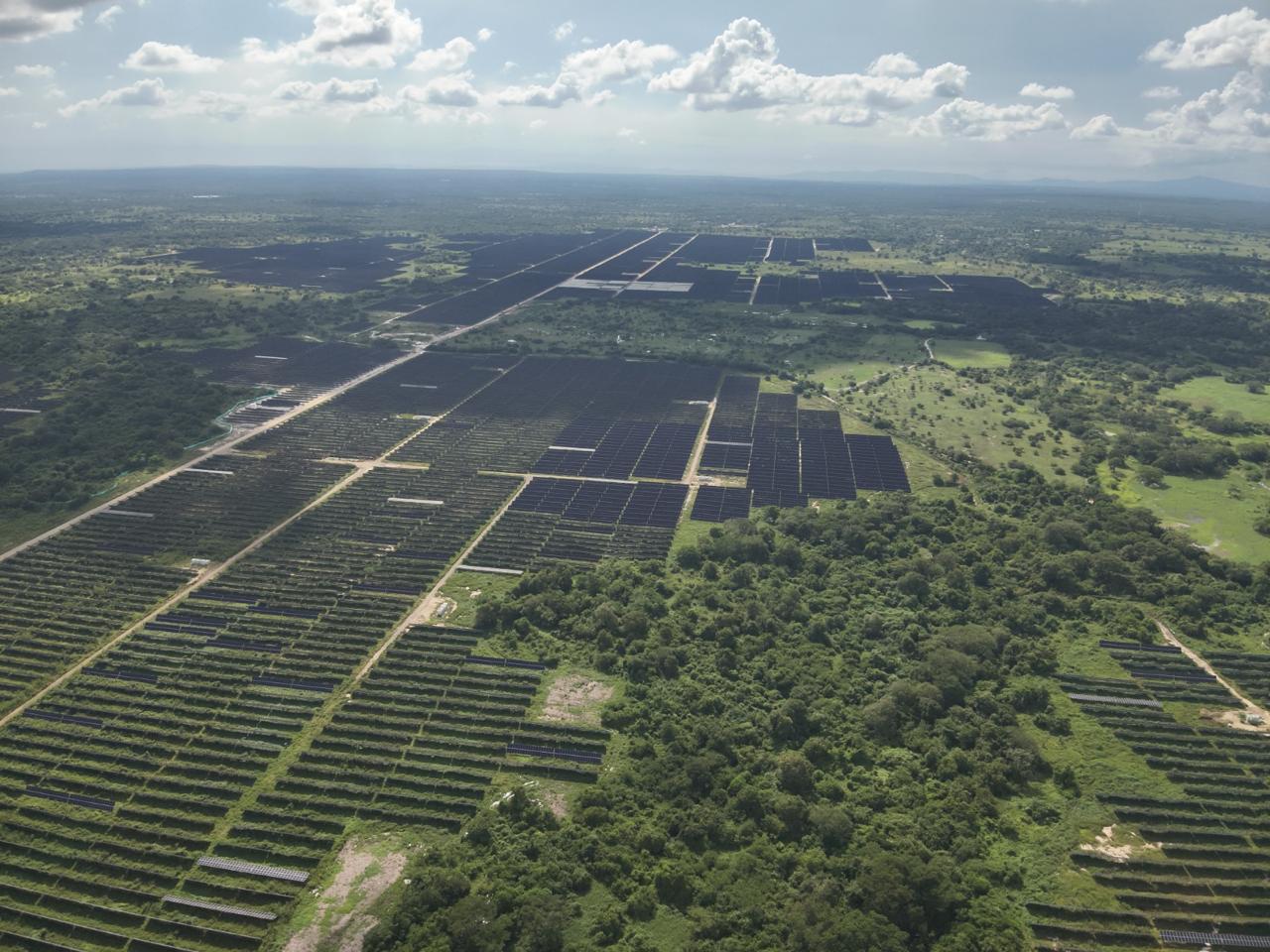
Guayepo I&II, built by Enel, is not simply the largest centralized photovoltaic plant in Colombia: it represents a project that combines record scale, targeted technical choices, and strong integration with the local area. Located in the Atlántico department, in the area between Ponedera and Sabanalarga, the complex entered commercial operation at the end of 2024. With a net capacity of 370 MWac, and in synergy with the future Guayepo III and Atlántico plants currently under construction, it will contribute to the development of the main Colombian solar hub, which is set to become one of the largest in South America.
The plant — made up of about 780,000 photovoltaic modules — serves the goal of bringing clean energy where it is needed while maintaining a direct connection to the transmission grid. To give a sense of scale, its expected annual production is enough to cover the needs of around 1.5 million people, a population comparable to that of Barranquilla. This is not only a technological milestone: it is a project that brings together generation, grid integration, and regional development.
Beyond solar production: a project that generates opportunities
Alongside the energy output, there is an industrial element already visible on the market: a 15-year renewable energy supply agreement with Bavaria, thanks to which, since 2024, the company’s beer production has been powered by energy from the park.
But that’s not all: the progress of Guayepo I&II has also had a direct impact on employment. During construction, more than 3,000 jobs were created, with a strong presence of workers residing in the Atlántico department and significant female participation. Recruitment days involved more than 1,200 people and, in collaboration with SENA (Servicio Nacional de Aprendizaje), 383 workers received training and certifications in key operational skills, from chainsaw use to road control, all the way to photovoltaic system assembly. These activities accompany the project but, above all, remain in the territory as human capital, usable well beyond the construction phase.

Energy that also drives educational growth
The project also devoted continuous attention to schools and local services. Through the “Buena Energía para Tu Escuela” program, implemented by Enel Green Power, educational spaces (classrooms, cafeterias, and play areas) were improved for the benefit of 1,565 students; 1,500 school kits and 30 tablets were donated to support learning. Added to this is a circular economy initiative developed with local communities and SENA: construction materials such as spools and wooden pallets were reused in a carpentry course involving 77 people, turning them into tables, chairs, canopies, playgrounds, fences, and storage units. A simple way to give resources a second life, reduce waste, and promote sustainable practices.
In parallel, volunteer activities and health initiatives reached more than 6,000 people, accompanying the plant’s growth with services useful to the community. The facilities of the Martillo School were improved, benefiting 720 students. And a recreational-sports park was built in Santa Rita, designed for about 1,500 people. These are projects that remain after the plant’s opening and demonstrate an approach that is attentive to the local area.
The educational dimension runs through the initiative on multiple levels in a targeted and ongoing way. With “InnovaPlay”, children and teenagers explored topics such as energy transition, the environment, and circular economy; in the first phase, 293 students from the schools of La Retirada, Martillo, San Pedro Claver de Cascajal, Santa Rita, Puerto Giraldo and Ponedera completed a program that concluded with concrete projects for their communities. With “En Tu Voz”, 22 young people received training in social communication — photography, radio, creative writing, and social media — to learn how to tell the story of the communities in which they live.

A meeting between energy innovation and historical memory
The construction of Guayepo I&II included a preventive archaeology program, in line with heritage regulations. Survey, recovery, and monitoring activities made it possible to bring to light a significant collection of materials: around 6.5 tons of ceramic fragments, vessels in various states of preservation, faunal bone remains, and lithic artifacts. Funerary contexts related to about 50 individuals were also documented — a testament to the history of the land where the plant now stands. Alongside the fieldwork, training sessions were organized for project personnel and for the schools of Martillo and La Retirada, with the goal of promoting awareness of current legislation and the importance of safeguarding heritage. It is an approach that pairs construction with conservation, recognizing the cultural value of the area in which the project is situated.
Taken as a whole, Guayepo I&II represents the image of an infrastructure capable of combining sustainable energy generation, efficient grid integration, and a strong commitment to the territory that hosts it. The operational choices and the initiatives developed together with local communities show how a large facility can take root and actively contribute to the economic and social life of an entire area.

Content provided by:

Source link