


By Arcelia Martin | Inside Climate News
This article originally appeared on Inside Climate News, a nonprofit, non-partisan news organization that covers climate, energy and the environment. Sign up for their newsletter here.
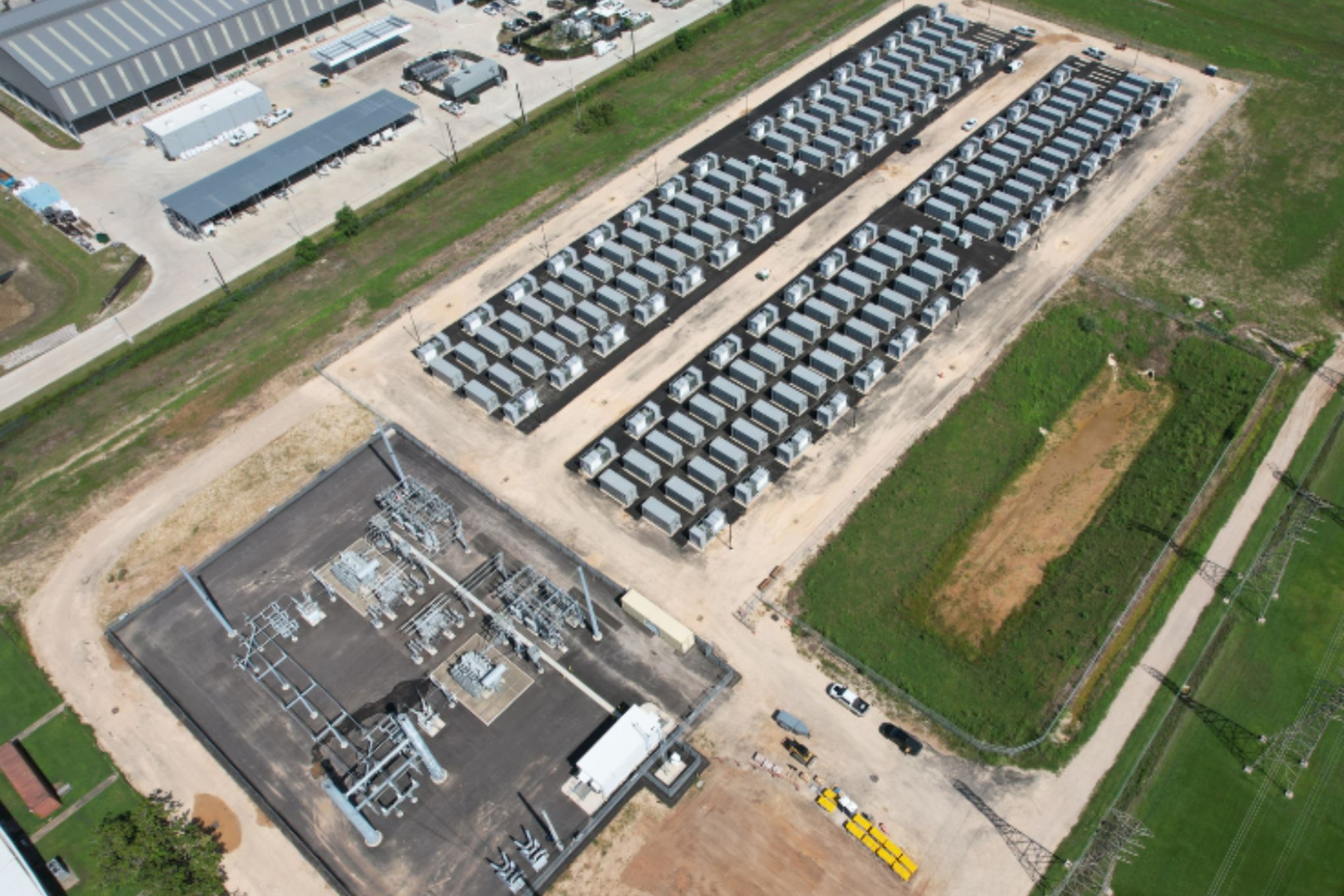
Battery storage facilities and solar farms powered virtually all capacity growth in Texas’ electric grid throughout 2025, as the home of the nation’s oil and gas industry created almost twice as much new solar power as California.
More than 5,200 megawatts, or approximately 10,500 megawatt hours, of new battery storage made up the largest share of the more than 11,000 megawatts of new capacity, according to the Electric Reliability Council of Texas (ERCOT), operator of Texas’ electric grid. Solar power accounted for the second-largest capacity addition, with more than 4,500 megawatts installed.
Pablo Vegas, ERCOT’s president and CEO, said during a board of directors meeting Tuesday that the new solar power represented “high” growth in intermittent power, while he characterized the new battery storage as “very rapid growth” of short-duration power supply.
“It’s a significant shift in operational requirements, and it represents an opportunity to create a more resilient and cost-effective grid,” Vegas said.
Wind power and natural gas trailed far behind solar and storage additions, adding more than 860 megawatts and 520 megawatts, respectively.
Vegas said the market continues to see low numbers of natural gas connections to the grid, despite the state’s $10 billion loan and grant fund to build more natural gas power plants. But he said there are “significant improvements” in interest among developers exploring natural gas connections to the grid.
Texas is leading the country in new solar capacity. The state added more than three gigawatts of solar power in the third quarter, making it the second-largest quarter for solar additions, according to a joint report by Wood Mackenzie and the Solar Energy Industries Association (SEIA). The U.S. solar industry installed 11.7 gigawatts of capacity nationally during the third quarter, a 20 percent increase from the same period last year.
Over the first nine months of 2025, Texas installed 7.4 gigawatts of solar, almost double the capacity of California’s newest additions. This comes despite the Trump Administration’s efforts to roll back renewable energy development in the U.S.
“This record-setting quarter for solar deployment shows that the market is continuing to turn to solar to meet rising demand,” said Abigail Ross Hopper, SEIA president and CEO.
The meaningful additions of solar and battery storage have positioned Texas’ grid to handle summer demand peaks well, with large amounts of solar generating electricity during the day and batteries helping the grid transition into the evening, Vegas said.
But winter continues to represent a higher risk period for ERCOT, Vegas said. Solar and storage capacity are limited during the most critical periods during winter, such as early in the morning before sunrise or in the evening just after sunset. But even then, the chance of rotating outages during the riskiest morning hours is around 1 percent, according to ERCOT reports.
That’s better than last year, when ERCOT predicted a 7 percent chance of rotating blackouts during last winter’s peak hours.
But ensuring the grid stays balanced during the winter months remains a concern, as ERCOT tries to innovate quickly to accommodate the growing variety of energy resources and to accommodate large energy users, like data centers and crypto mines, seeking to connect to the grid.
Vegas said both the state and ERCOT have worked hard since Winter Storm Uri, when blackouts across the state left many Texans without power or heating for days and at least 246 people died, to regain public trust that the state’s grid will hold up in Texas’ extreme weather.
ERCOT’s models show that if Texas experienced a winter storm like it did in February 2021 and demand exceeded record levels, the risk of rotating outages would increase 54 percent.
The forecast accounts for the state’s growth in recent years, projects that if Texas were to be hit by similar weather conditions to the 2021 storm, power demand would exceed 97 gigawatts. That’s far more than the current demand record of 85.5 gigawatts set during a scorching summer heat wave in 2023.
But the likelihood that demand will reach more than 97 gigawatts is less than one percent, according to the report.
Source link