

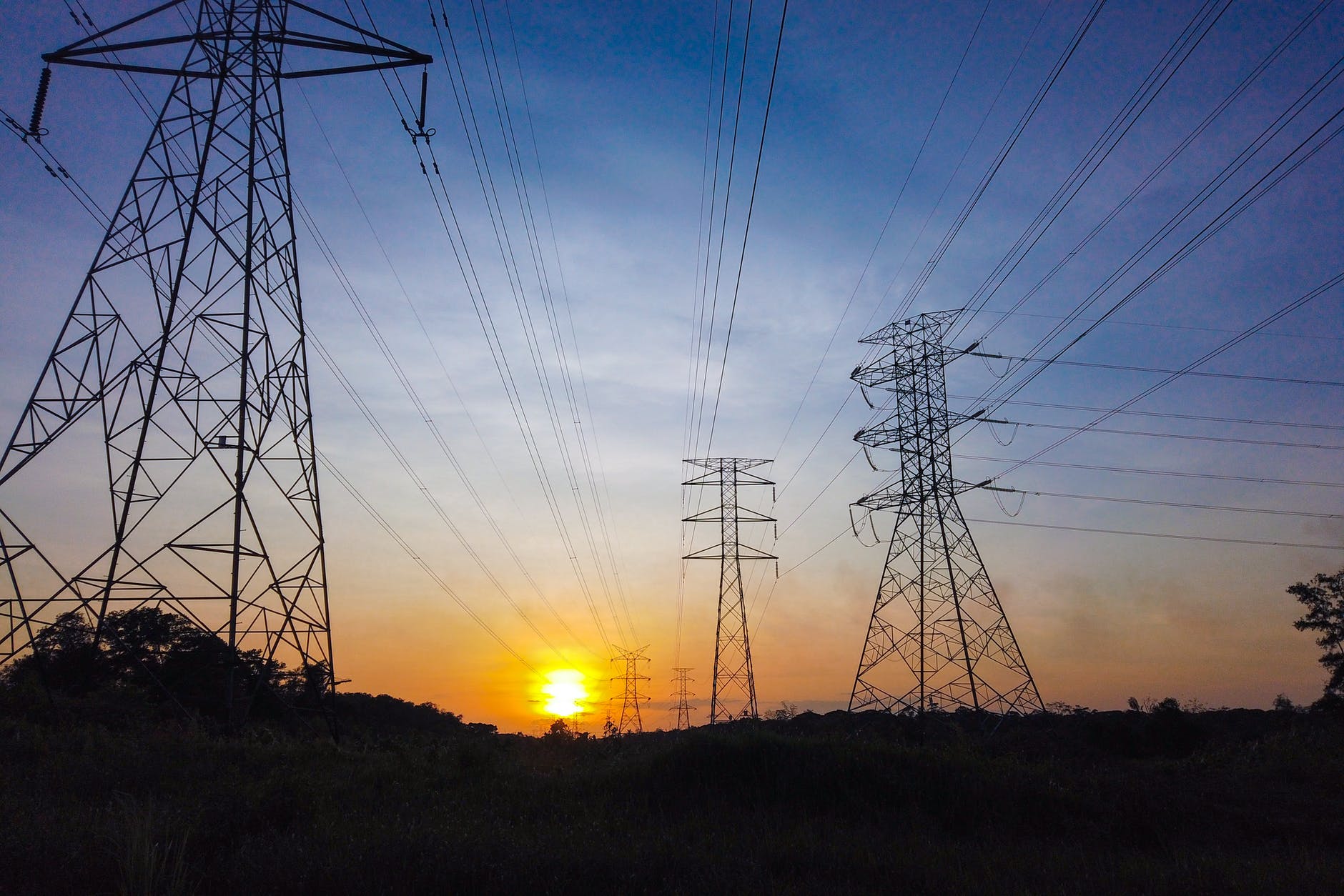

Iraq is taking an important step toward fixing its long-standing electricity crisis with the Gulf Cooperation Council Interconnection Authority confirming that the regional power grid will start supplying electricity to Iraq in early 2026. This is the first time the Gulf’s integrated power network will extend power to a country outside the six GCC members. For Iraq, which has faced chronic shortages for decades, this connection brings timely support as the country struggles with a deep power deficit. By late 2025, Iraq’s electricity gap was estimated at nearly 22,000 megawatts. The situation became worse when Iranian gas supplies, which Iraq depends on to run many of its power plants, dropped sharply. This decline caused long power cuts, especially in Basra, a major southern city already facing harsh summer conditions and heavy demand.
The new interconnection project is designed to ease this burden. Iraqi Electricity Minister Ahmed Mousa confirmed that the grid link is now complete, and the first phase will deliver 500 megawatts of electricity from Kuwait’s network directly into Iraq’s southern areas. The project includes a 295-kilometer transmission line from the Al-Wafrah substation in Kuwait to the Al-Faw station in Iraq. This work is part of a larger ten-year plan worth around $3.5 billion by the GCCIA to strengthen regional power trade. The immediate investment for this specific link is around $240 million, showing the level of commitment to improving cross-border energy cooperation.
Iraq is not relying on the Gulf alone. The country is also expanding its energy connections with Jordan, with officials expecting between 150 and 500 megawatts to come from Jordan by August 2026. These efforts are part of a broader strategy announced by Prime Minister Mohammed Al-Sudani, who recently shared a 20-year vision to raise Iraq’s total power generation capacity to 57,000 megawatts. The plan includes partnerships with major global companies like Siemens and GE and a focus on renewable energy projects to support long-term stability.
While Iraq works toward achieving energy independence by 2028, the new GCC power link offers immediate relief. It promises more stable and cost-effective electricity for millions of people who have endured blackouts for years. This connection marks a major step in Iraq’s efforts to rebuild its power sector and strengthen regional cooperation.
Related
Discover more from SolarQuarter
Subscribe to get the latest posts sent to your email.
Source link