


The Hindu Kush–Himalaya (HKH) region holds some of the world’s richest untapped renewable energy resources, yet progress in harnessing them has been modest, according to a new assessment by the International Centre for Integrated Mountain Development (ICIMOD). The findings were released during the Asia-Pacific Clean Energy Week in Bangkok.

The study reveals that out of the 882 gigawatts (GW) of identified hydropower potential across Afghanistan, Bhutan, Bangladesh, China, India, Myanmar, Nepal, and Pakistan, as much as 635 GW lies within the rivers of the HKH. However, only 49 per cent of this has been utilised so far. Despite the enormous potential, clean energy currently accounts for just 6.1 per cent of the region’s total primary energy supply.
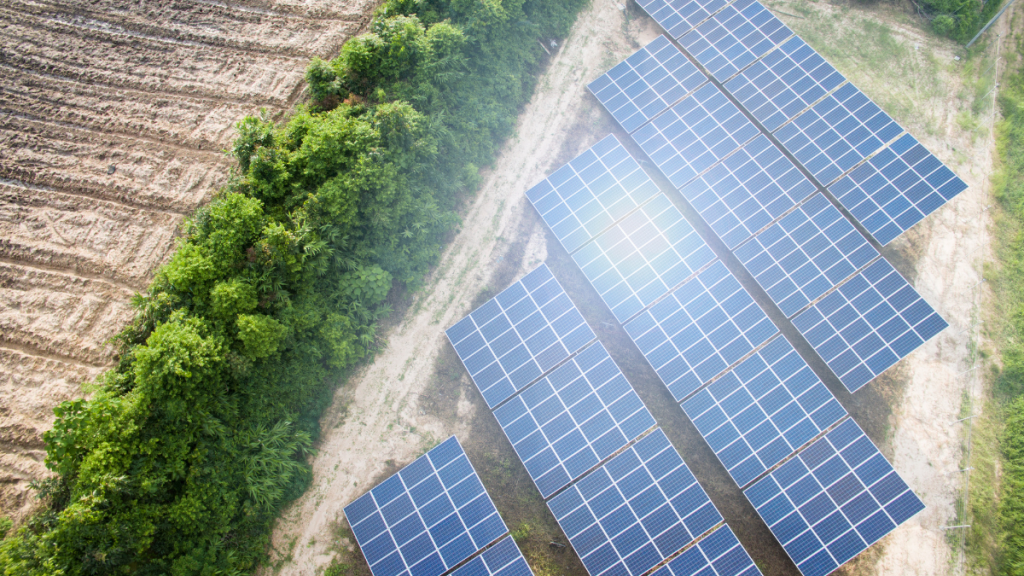
Beyond hydropower, the assessment highlights that the HKH also offers vast opportunities in solar and wind. Collectively, these non-hydro resources exceed 3 terawatts—almost double the combined climate pledges of these eight nations, which stand at 1.7 TW. Unlocking this potential could significantly strengthen regional energy security, support low-carbon development, and help meet global climate goals.

Experts note that greater cross-border collaboration, investment in grid integration, and stronger policy frameworks are essential to bridge the gap between potential and deployment. For example, Bhutan and Nepal have already made strides in hydropower exports, but broader cooperation could transform the region into a clean energy powerhouse.
The report calls for governments to prioritise both hydropower expansion and diversification into solar and wind to ensure a balanced, resilient energy mix. With rising energy demands and growing climate risks, tapping the HKH’s renewable wealth is not just an opportunity—it is an urgent necessity.
Harnessing the HKH’s vast resources could turn South Asia’s mountains into the backbone of a sustainable energy future.
Related
Discover more from SolarQuarter
Subscribe to get the latest posts sent to your email.
Source link