

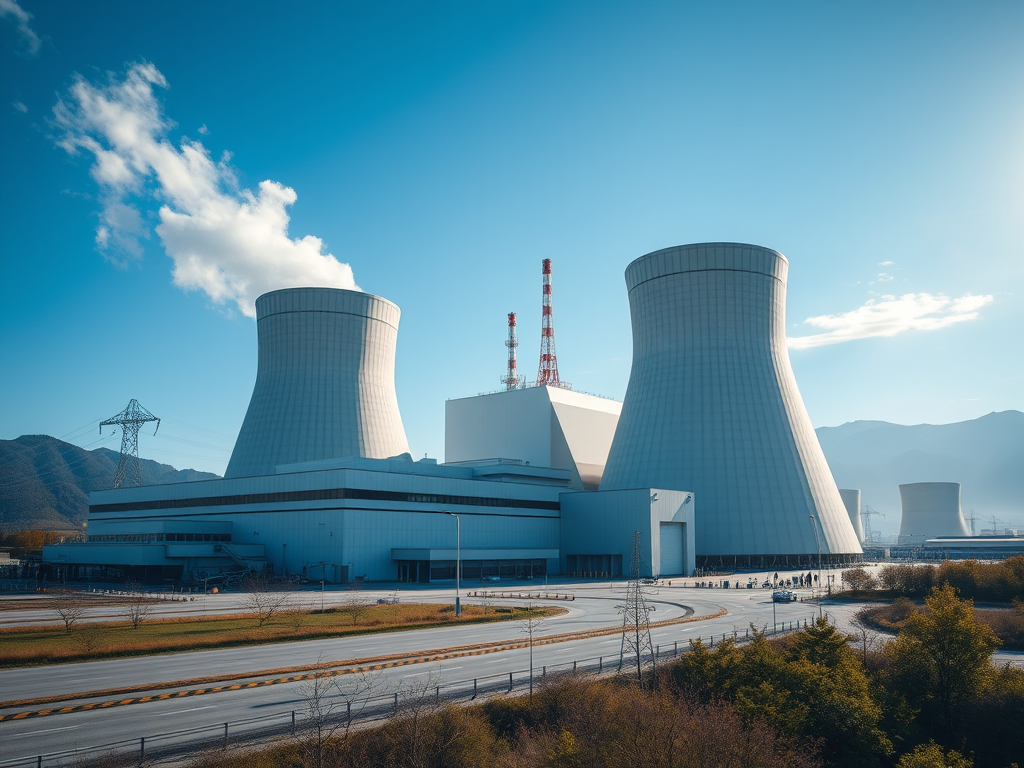

Japan has taken a major step in its energy transition with the restart of Unit 6 at the Kashiwazaki-Kariwa Nuclear Power Station on February 9, 2026. The plant, located in Niigata Prefecture, is the largest nuclear power facility in the country. Its return to operation comes after a long shutdown that began in 2011 following the Fukushima tsunami and nuclear accident. The restart marks an important moment in Japan’s efforts to reshape its energy mix and reduce dependence on fossil fuels.
Unit 6 has an installed capacity of 1,356 megawatts (MW). As it reaches full capacity, it is expected to significantly reduce the need for electricity generated from natural gas. In 2024, natural gas accounted for about 33% of Japan’s total electricity generation, making it one of the largest sources in the national grid. However, the restart of this single reactor is projected to displace around 1.3 million tons of liquefied natural gas (LNG) each year. This equals nearly 62 billion cubic feet (Bcf) of natural gas imports that will no longer be required.
With the addition of Unit 6, Japan now has 15 operating nuclear reactors with a combined capacity of 33 gigawatts (GW). In 2024, nuclear power contributed about 9% of the country’s total electricity supply. Once fully operational by mid-March, Unit 6 alone is expected to generate around 9,500 gigawatt-hours annually. The restart is also significant for Tokyo Electric Power Company, as it is the company’s first reactor to resume operations after years of safety upgrades and regulatory reviews.
Japan’s move away from natural gas has been ongoing for several years. Power generation from natural gas has declined every year since 2017. This trend is supported by the gradual return of nuclear reactors and the steady growth of renewable energy sources, especially solar power. As a result, LNG imports have fallen from 11 Bcf per day in 2018 to 9 Bcf per day in 2025. Despite this reduction, Japan remains the world’s second-largest LNG importer after China, sourcing supplies from countries such as Australia, Malaysia, Russia, and the United States.
Looking ahead, Japan’s long-term energy policy aims for nuclear power to provide 20% of total electricity by fiscal year 2040. To reach this target, around 30 reactors would need to be in operation. While 15 reactors are currently running, another 17 are at different stages of the regulatory approval process.

Related
Discover more from SolarQuarter
Subscribe to get the latest posts sent to your email.
Source link