

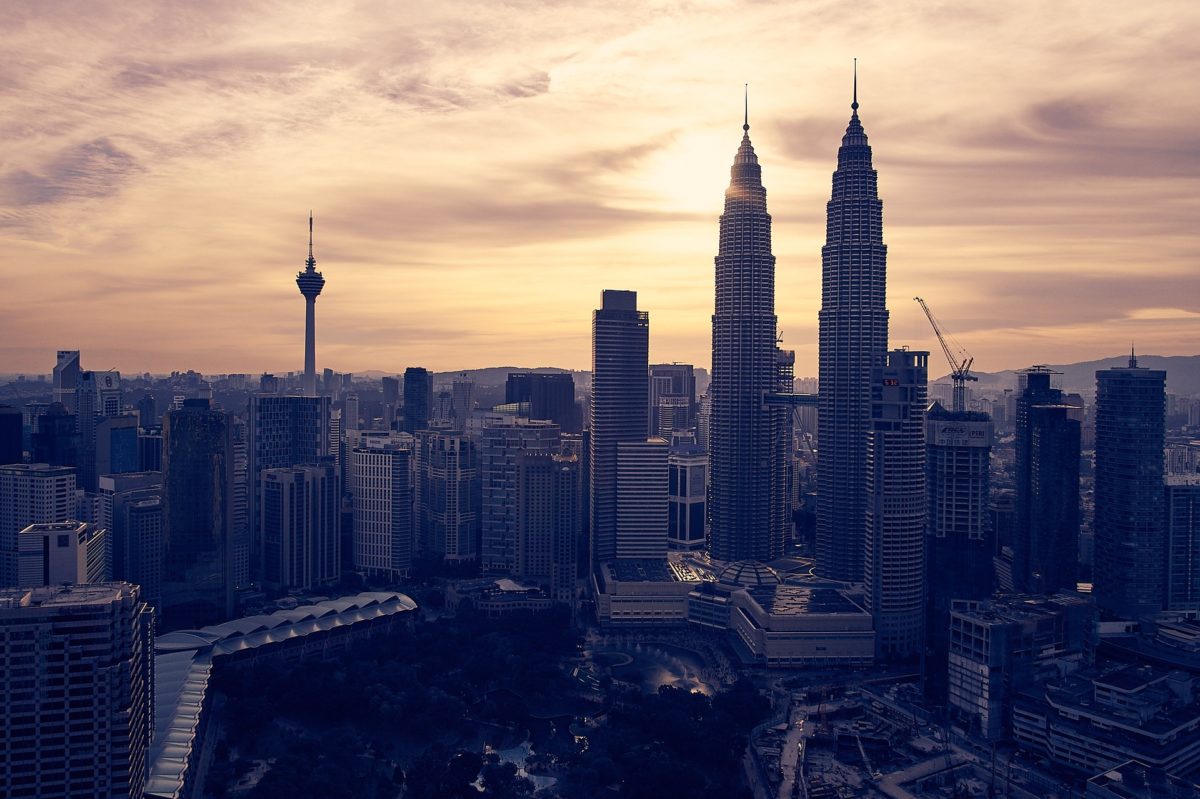
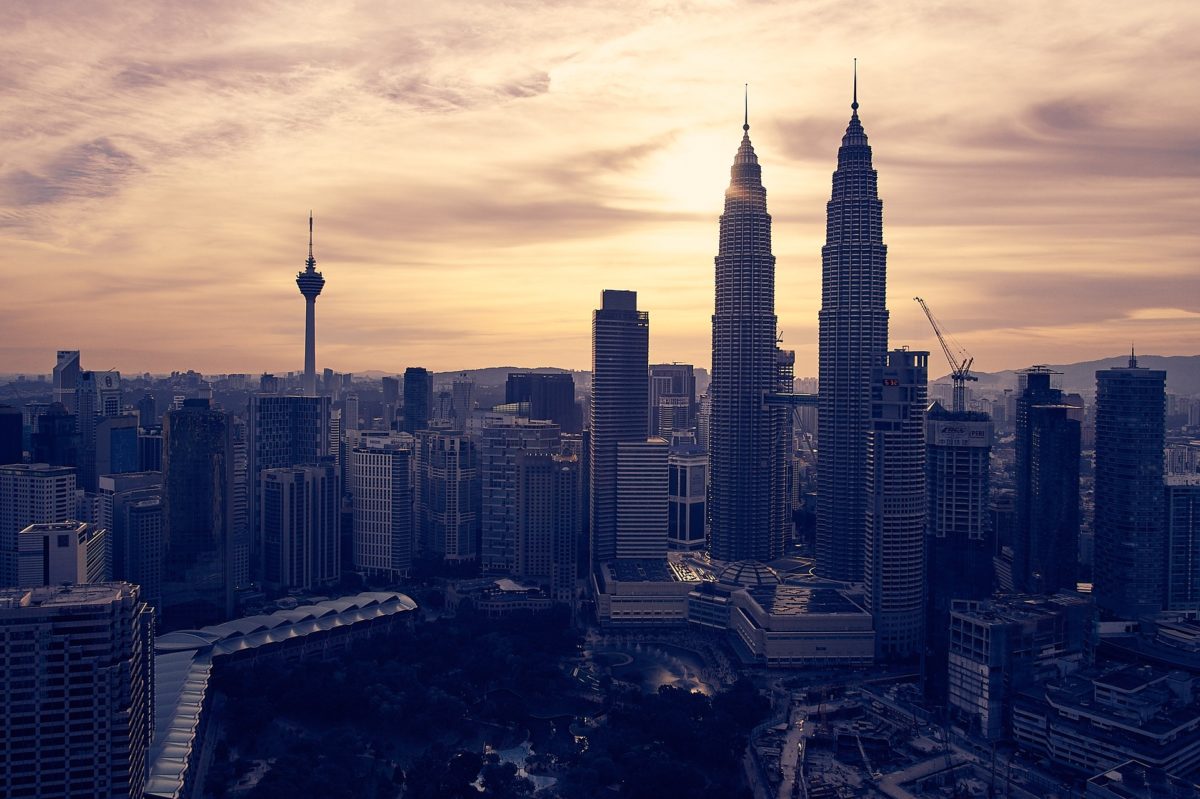
Malaysian prime minister Datuk Seri Anwar Ibrahim said data centers contributed to increases in energy and water usage and confirmed during a parliamentary Q&A session that the government has already restricted the entry of new data centers that have nothing to do with AI.
The restrictions are expected to be in place for almost two years to reduce pressure on the power grid and water supply, according to Ibrahim, whose comments were published by government-run news agency Bernama.
The prime minister said that if data centers do have benefits in terms of AI development and technology, approvals will be easier.
Join us on April 22 for the 3rd SunRise Arabia Clean Energy Conference in Riyadh.
The event will spotlight how solar and energy storage solutions are driving sustainable and reliable infrastructure, with a particular focus on powering the country’s rapidly growing data center sector.
His announcement was made in response to questions from ministers present at the parliamentary session. Some politicians raised concerns about data centers’ energy efficiency and asked what the government was doing to ensure Malaysian data center growth would not lead to higher electricity tariffs or supply disruptions for householders.
The prime minister responded that measures will be implemented to ensure domestic consumers are protected and the grid is not constrained, adding that in the longer term the government has plans to channel supply of electricity from Sarawak to Peninsular Malaysia. He also spoke of the possibility of relying on the ASEAN Power Grid (APG), a project aiming for regional interconnection between the Southeast Asian nations by 2045.
“The ASEAN Power Grid is being maintained from Vietnam to Peninsular Malaysia and Singapore, and there are also plans to source energy from Sarawak to the Peninsula and Singapore,” he said.
The Malaysian leader also said his government’s approach to AI and data centers would be different from that of Western nations. He claimed that national policy will emphasize ethical concerns and citizen rights.
A bill on AI data centers and policy is in the early drafting stages at the Digital Ministry and has yet to be reviewed by stakeholders and a special parliamentary committee before it is finalized.
According to the prime minister, the bill “represents a new approach and effort for the country, as it does for most countries. It will also detail issues of accountability, ethical use, and involve developers as well as deployers of AI systems.”
Malaysia is a growing data center market in Asia. According to analysis from White & Case LLP, the Johor region has emerged as Southeast Asia’s fastest-growing data center hub, expected to account for 60% of Malaysian capacity by 2030.
Furthermore, Singapore’s moratorium on new data center projects between 2019 and 2022 redirected hyperscalers to Malaysia. Singapore has since lifted its moratorium but it continues to be selective in accepting data centers. Meanwhile, Malaysia offers a lot of land space for developers coupled with low construction costs and low electricity tariffs.
This content is protected by copyright and may not be reused. If you want to cooperate with us and would like to reuse some of our content, please contact: editors@pv-magazine.com.
Popular content
