
The Ministry of New and Renewable Energy has made changes to the guidelines for the “Model Solar Village” part of the PM-Surya Ghar: Muft Bijli Yojana. These changes were made after receiving feedback from state agencies that were facing challenges in rolling out the scheme. The original guidelines for this component were released on August 9, 2024.

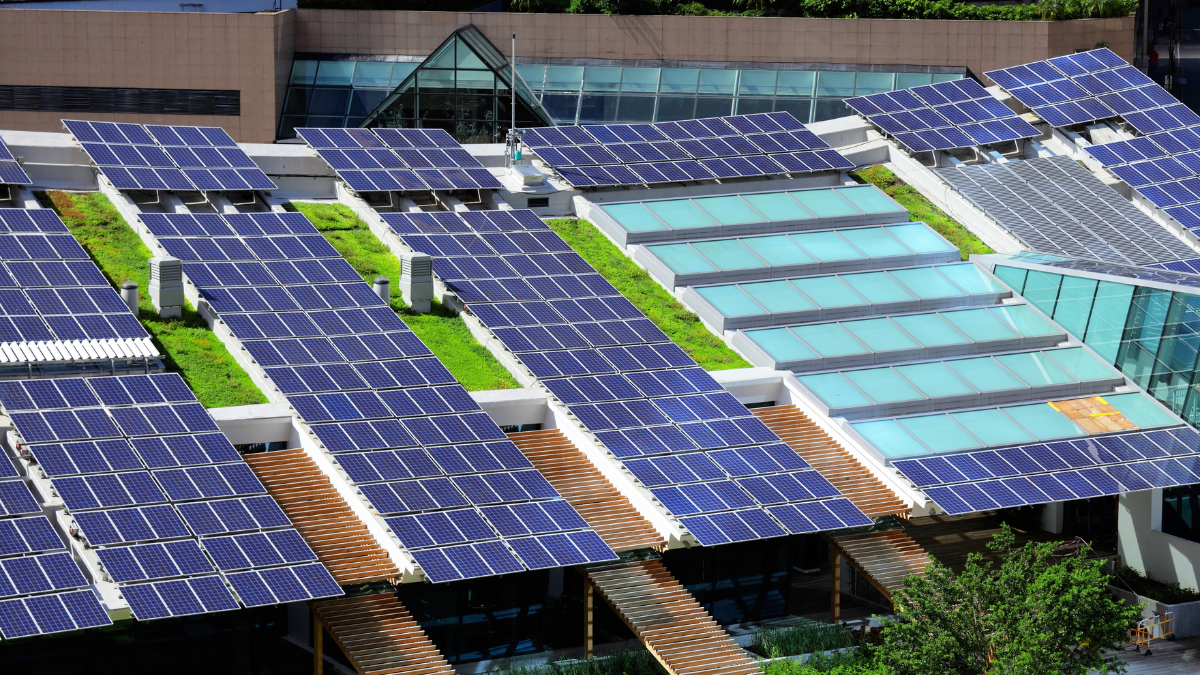
The PM-Surya Ghar: Muft Bijli Yojana was approved on February 29, 2024. The main goal of the scheme is to install rooftop solar systems in one crore households across India. The total budget for the scheme is ₹75,021 crore, and it will run until the financial year 2026-27. The “Model Solar Village” component focuses on selecting one village in every district to serve as an example of solar energy use. The aim is to bring clean and green energy to rural areas, help villages become self-reliant in power, and create 24×7 solar-powered villages. These model villages will use solar energy for lighting homes, pumping water, farming, and street lighting.
A total of ₹800 crore has been set aside for this component, with each selected village getting ₹1 crore as central financial help. The rules for selecting villages have also been made clearer. Earlier, a village needed to have over 5,000 people as per the latest census to qualify. For special category states and Union Territories like Uttarakhand, Himachal Pradesh, Jammu & Kashmir, Ladakh, North Eastern States including Sikkim, Andaman & Nicobar, and Lakshadweep, the required population is 2,000. Now, the guidelines confirm that only rural villages are eligible. In districts with fewer than 10 villages that meet this population requirement, the District Level Committee can consider the top 10 most populous villages. The committee can also select a Model Solar Panchayat. The selection will be done through a challenge mode, where villages compete to install the highest solar capacity using this and other government schemes.

The scheme will be run by the State Renewable Energy Development Agency or another nominated agency. A District Level Committee will monitor and coordinate the process. Villages will be shortlisted and will compete over six months. During this time, panchayats will carry out awareness drives, visit homes, work with vendors, and link people with banks to promote solar use. Panchayats, cooperatives, and Self-Help Groups will also be encouraged to take part. Extra funds can be added from CSR and other sources. At the end of the six months, the village with the highest installed solar capacity will be chosen as the Model Solar Village for that district.
Once selected, an agency will prepare a Detailed Project Report to make the village fully solar powered. This may include rooftop systems, agri-PV pumps, public lighting, and solar tools for livelihoods. Community projects can get full funding, but collectives must contribute at least 10%. Individuals are not eligible for direct central assistance. The assets created must be owned and run by the village or local groups. The agency may also use state grants or bank loans. The goal is for villages to meet their electricity needs entirely or reach net-zero status annually. The District Level Committee will oversee the project’s progress.
Central assistance will be given in three parts: 40% when the work is awarded, another 40% after the work is done and certified, and the last 20% after six months of operation. Each part must be used within six months. Any unused funds and interest must be returned. The Ministry can update these guidelines as needed with the Minister’s approval.
Related
Source link