

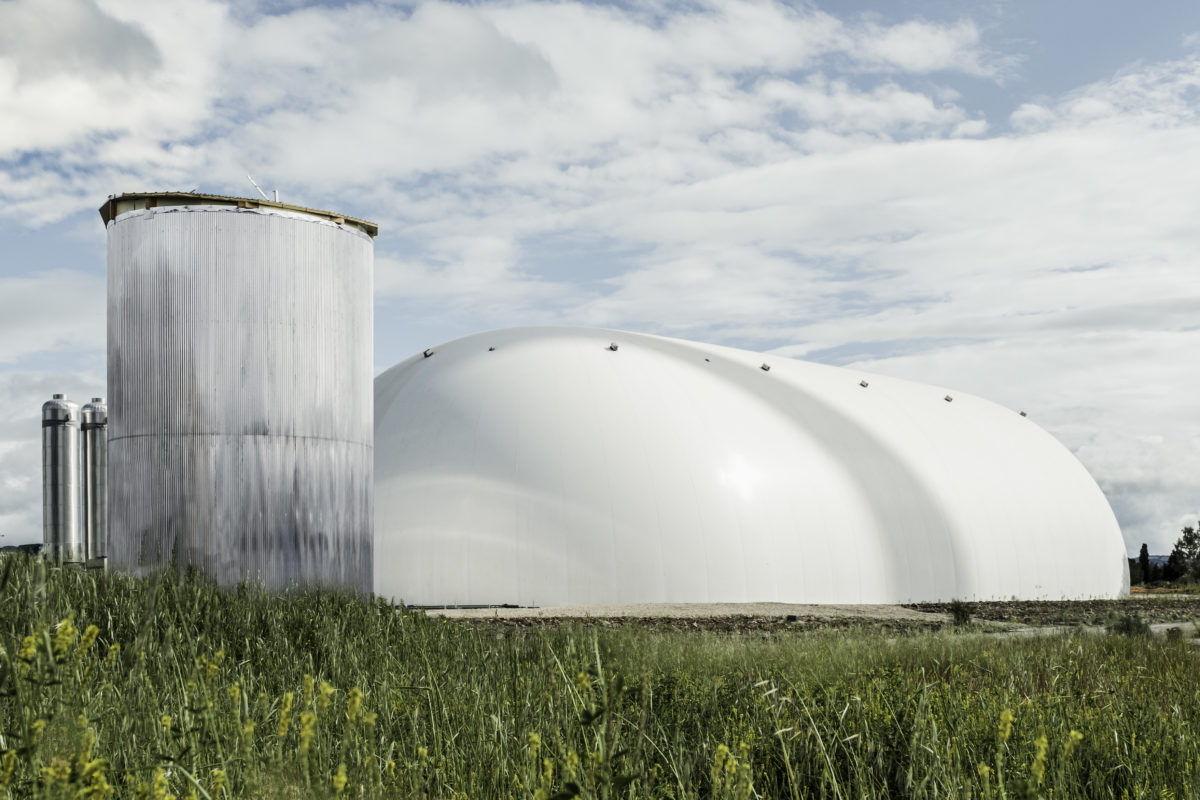
Researchers have integrated solar thermal energy and cascade waste heat utilization into a conventional liquid carbon dioxide energy storage system. Through system simulations, they evaluated energy, exergy, economic and environmental performance, achieving an electrical round-trip efficiency of 44.51% and an exergy efficiency of 48.40%.
A group of researchers from China has developed a solar-aided liquid carbon dioxide (CO₂) energy storage system integrated with cascade waste heat utilization. By simulating the innovative liquid carbon dioxide energy storage (I-LCES) system against a traditional liquid carbon dioxide energy storage (T-LCES) configuration, the team analyzed its energy, exergy, economic and environmental performance.
“To enhance the thermodynamic, techno-economic, and environmental performance of traditional liquid carbon dioxide energy storage systems and facilitate more effective integration of renewable energy, this study proposes an innovative multi-generation liquid carbon dioxide energy storage system incorporating solar heat and cascade utilization of waste heat,” the group said.
A T-LCES stores electricity by compressing and liquefying CO₂, then releases it by reheating and expanding the CO₂ through turbines. The proposed system builds on this approach by integrating solar thermal input and cascade waste heat use, preheating the CO₂ to boost power output while reusing residual heat for additional electricity, cooling, space heating and domestic hot water.
“The proposed system demonstrates significantly improved techno-economic performance. In the Beijing region, the T-LCES yields a net present value (NPV) of $14.47 million, a levelized cost of energy (LCOE) of $0.186/kWh, an internal rate of return (IRR) of 9.25%, a dynamic payback period (DPP) of 14.32 years, and a static payback period (SPP) of 10.05 years,” the group said. “In contrast, the novel system exhibits an NPV of 181.78 million USD, a LCOE of 0.086 $/kWh, an IRR of 16.05%, a DPP of 7.55 years, and a SPP of 6.16 years.”
Overall energy efficiency rose from 37.87% in the traditional system to 72.09% in the proposed design, while exergy efficiency increased from 37.87% to 48.40% and electrical round-trip efficiency from 37.87% to 44.51%. Energy generated per unit volume increased from 2.26 kWh/m³ to 8.70 kWh/m³.
The team noted that a “sensitivity analysis indicates that increasing the CO2 turbine inlet temperature or energy storage capacity enhances economic performance, whereas higher operation and maintenance costs, interest rates, or discount rates have adverse effects. The primary factors influencing economic performance differences across regions are annual solar irradiation intensity and the peak-to-valley electricity price differential.”
They presented their results in “Energy, exergy, economic and environmental analyses of a novel solar-aided liquid carbon dioxide energy storage system integrated with cascade waste heat utilization,” which was recently published in Energy Conversion and Management. Scientists from China’s Yangtze University, North China Electric Power University, Yangzhou University, and Nanning University participated in the study.
This content is protected by copyright and may not be reused. If you want to cooperate with us and would like to reuse some of our content, please contact: editors@pv-magazine.com.
Popular content
Source link