

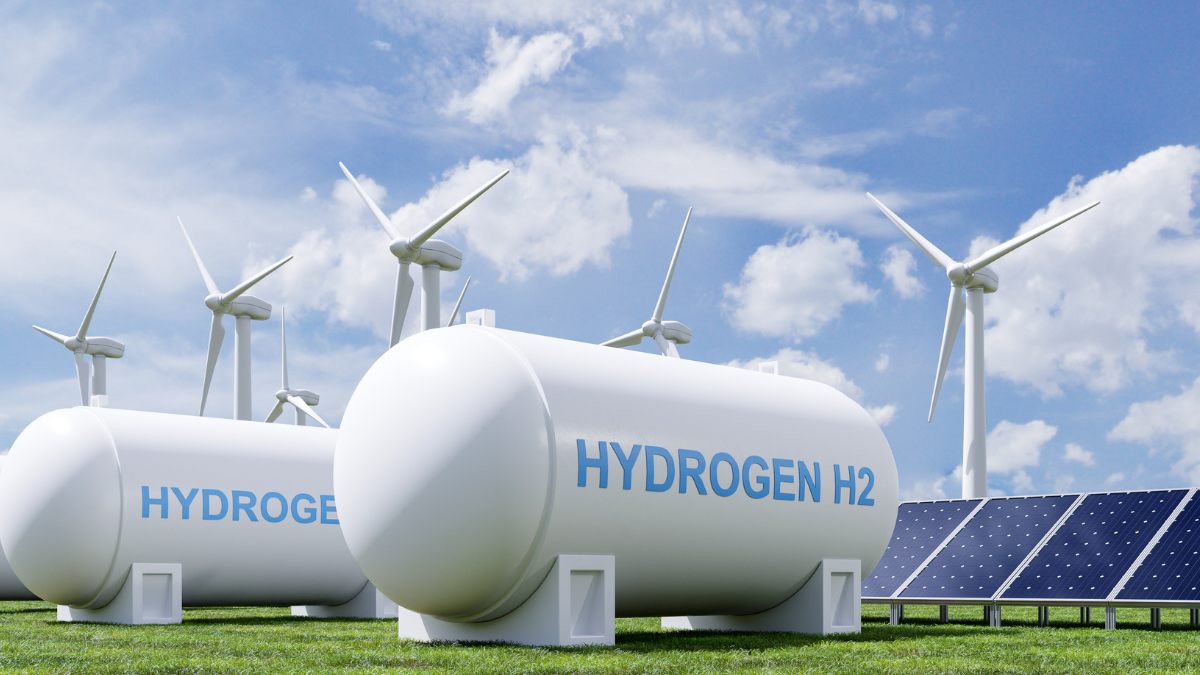

Oswal Greenzo Energies has secured a 5 MW green hydrogen project from Deendayal Port Authority in Kandla, Gujarat, marking another step in India’s push toward clean energy adoption in the maritime sector. The project has been awarded under the Government of India’s Sagarmala Initiative, which focuses on sustainable development of ports and coastal infrastructure.
The green hydrogen facility will be executed on an engineering, procurement, and construction basis. Along with the initial 5 MW capacity, the project has been designed with provisions for future expansion up to 10 MW by using common infrastructure. This approach is expected to reduce costs and support scale-up as hydrogen demand increases at the port.
Once operational, the plant is expected to produce around 800 tonnes of green hydrogen every year. The hydrogen generated will support clean energy use in port operations and also help promote the adoption of green hydrogen in the mobility sector. The project highlights the growing role of ports as hubs for renewable energy and low-carbon fuels.
Commenting on the development, Kushal Agarwal, Executive Director of Greenzo Energy, said that deploying green hydrogen at this scale within a port ecosystem shows how clean hydrogen solutions can be integrated into high-traffic and critical infrastructure environments.
Oswal Greenzo Energies is a joint venture between Greenzo Energy India, a clean technology company, and Oswal Energies, an EPC solutions provider. The collaboration brings together expertise in green hydrogen technology and large-scale project execution.
Green hydrogen is produced using renewable energy sources such as solar or wind power, instead of fossil fuels. The process involves splitting water into hydrogen and oxygen through electrolysis using clean electricity. Hydrogen can also be produced from biomass, provided emissions remain within defined limits.
Under the National Green Hydrogen Mission, India is encouraging the use of green hydrogen in the maritime sector through pilot projects, port-based refuelling infrastructure, and the development of green hydrogen hubs at key ports including Kandla, Tuticorin, and Paradip. The long-term goal is to reduce carbon emissions and support a gradual shift toward green vessels by 2047.
Related
Discover more from SolarQuarter
Subscribe to get the latest posts sent to your email.
Source link