

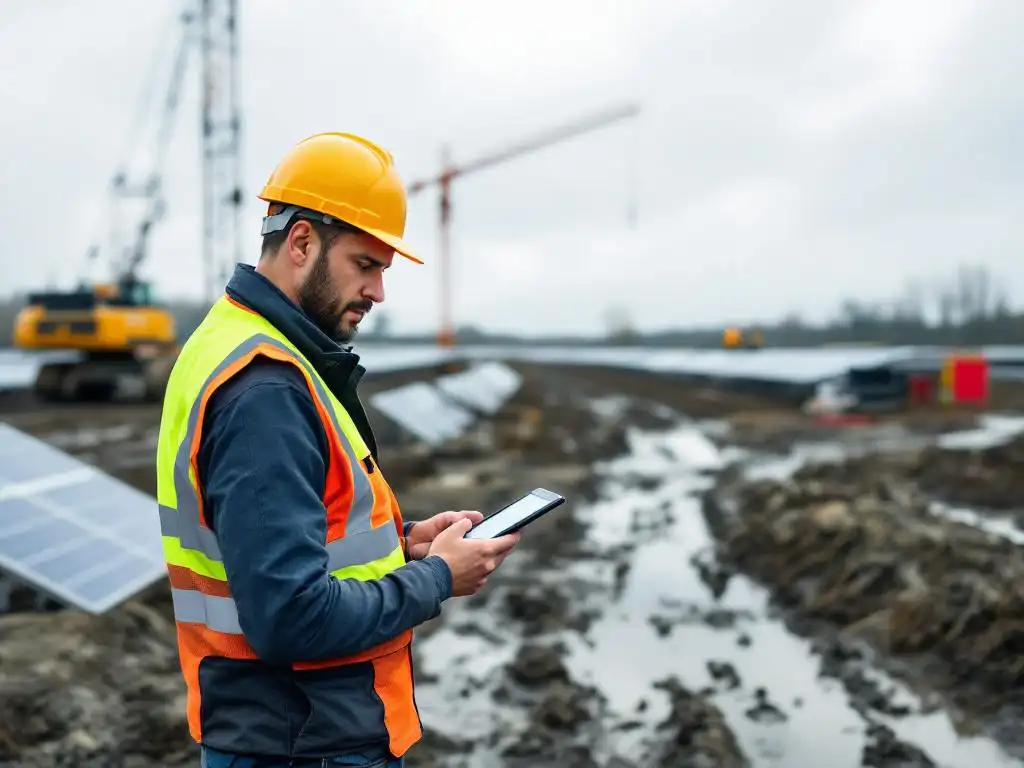
Solar construction projects face numerous obstacles that can extend timelines by months or years. The most significant bottlenecks include interconnection delays, equipment procurement challenges, skilled labor shortages, and lengthy permitting processes. These issues compound across different project scales, from commercial rooftops to utility-scale installations, creating cascading effects on budgets and delivery schedules.
What are the most common bottlenecks slowing down solar construction projects?
The primary bottlenecks affecting solar construction include interconnection queue delays, equipment procurement issues, skilled labor shortages, and permitting complications. These challenges impact projects differently based on scale, with utility-scale installations facing more complex interconnection requirements, while commercial rooftop projects often struggle with local permitting variations.
Interconnection delays represent the most severe bottleneck, with some projects waiting years for utility approval. Equipment procurement has become increasingly challenging, particularly for critical components like transformers, breakers, and inverters that require long lead times. The skilled labor shortage affects every aspect of construction, from electrical work to specialized mounting system installation.
Permitting processes vary significantly by location, creating unpredictable delays that can halt projects for months. Commercial projects often face additional complications with structural assessments and local building codes, while utility-scale developments must navigate environmental reviews and grid impact studies.
Why do interconnection delays create the biggest headaches for solar developers?
Interconnection delays occur because utility grids have limited capacity and require extensive studies to ensure new solar projects will not destabilize the electrical system. The interconnection queue has become severely backlogged, with some regions experiencing wait times exceeding three years for utility-scale projects.
These delays create ripple effects throughout project timelines because developers cannot secure final financing without interconnection approval. Construction teams must be rescheduled, equipment delivery dates shift, and power purchase agreements may require renegotiation. The uncertainty makes it difficult to lock in labor and materials at projected costs.
The interconnection process involves multiple technical studies, including system impact assessments and facility studies that examine how new generation affects grid stability. Utility companies often have limited staff to process applications, creating further bottlenecks. Grid modernization requirements can add additional complexity and cost to interconnection agreements.
How do equipment procurement and supply chain issues affect solar construction timelines?
Equipment procurement bottlenecks center on long lead times for critical electrical components, particularly transformers, switchgear, and inverters that can require 12–18 months for delivery. These components are essential for project completion and cannot be easily substituted or sourced from alternative suppliers.
Supply chain challenges evolved significantly following the pandemic, with manufacturing capacity constraints and shipping delays becoming routine considerations in project planning. Solar modules, while more readily available, still face quality certification requirements and tariff considerations that affect procurement strategies.
Mounting systems and racking components present additional procurement challenges, especially for projects requiring custom solutions for complex terrain or specific structural requirements. Developers must now place equipment orders much earlier in the development process, often before final permits are secured, increasing financial risk.
Steel and aluminum price volatility affects mounting system costs unpredictably, forcing developers to secure materials pricing well in advance or accept budget uncertainties. International shipping constraints continue to impact delivery schedules, particularly for specialized equipment manufactured overseas.
What role do labor shortages play in solar construction delays?
The skilled labor shortage affects multiple construction trades essential for solar projects, including electricians, equipment operators, and specialized solar installers. This shortage is particularly acute in regions experiencing rapid solar development, where demand for qualified workers exceeds local availability.
Electrical work represents the most critical labor bottleneck because it requires licensed professionals who understand both electrical systems and solar-specific requirements. Many traditional electricians need additional training for solar installations, creating a skills gap that takes time to address through workforce development programs.
Regional variations in labor availability create uneven development patterns, with some areas experiencing severe shortages while others have adequate workforce capacity. Construction companies often need to bring in workers from other regions, adding accommodation and travel costs to project budgets.
The growing gap between project demand and available skilled workers has led to increased labor costs and longer construction schedules. Training programs take months to develop qualified workers, making it difficult to scale workforce capacity quickly enough to meet market demand.
How can solar companies overcome engineering and design bottlenecks?
Engineering bottlenecks stem from time-intensive manual design processes that require complex calculations for utility-scale projects, particularly for terrain modeling, electrical engineering, and equipment specifications. Advanced solar design software can automate many of these calculations, reducing design time significantly while improving accuracy.
Traditional design workflows often involve switching between multiple software platforms, creating coordination challenges between pre-sales layouts and construction-ready documentation. CAD-integrated solutions streamline this process by maintaining design consistency from initial feasibility studies through final construction drawings.
Automated stringing calculations, cable routing optimization, and bill of materials generation eliminate repetitive manual tasks that consume engineering resources. These automation capabilities allow engineering teams to focus on complex problem-solving rather than routine calculations, improving both productivity and job satisfaction.
Construction documentation coordination represents another significant bottleneck that advanced design systems can address. By maintaining integrated workflows from conceptual design through construction-ready documentation, engineering teams can deliver projects more efficiently while reducing errors that cause costly construction delays.
Solar construction bottlenecks require coordinated solutions addressing interconnection processes, supply chain management, workforce development, and engineering efficiency. Companies that proactively address these challenges through strategic planning, advanced design tools, and improved project management practices position themselves for success in the rapidly growing solar market. For expert guidance on navigating these complex challenges, contact our experienced team to discuss your specific project requirements and learn how innovative solar solutions can help streamline your development process.
Frequently Asked Questions
How far in advance should solar developers place equipment orders to avoid procurement delays?
Solar developers should place orders for critical electrical components like transformers and inverters 18-24 months before planned installation dates. For standard components like modules and racking systems, 6-12 months lead time is typically sufficient, but developers should secure pricing early to avoid market volatility impacts on project budgets.
What can developers do while waiting in the interconnection queue to keep projects moving forward?
During interconnection delays, developers can finalize permitting, secure equipment procurement contracts, complete environmental assessments, and advance engineering designs to construction-ready status. This parallel processing ensures projects can move quickly to construction once interconnection approval is received, minimizing overall timeline impacts.
Are there specific regions or utilities known for faster interconnection processing times?
Interconnection timelines vary significantly by utility and region, with some areas processing applications in 6-12 months while others exceed 3 years. Developers should research regional interconnection statistics and consider utility track records when selecting project locations, as this can significantly impact overall project viability and timeline predictability.
How can solar companies address skilled labor shortages without dramatically increasing project costs?
Companies can partner with local trade schools and apprenticeship programs to develop workforce pipelines, cross-train existing electrical workers on solar-specific skills, and implement modular construction techniques that reduce on-site skilled labor requirements. Some developers also establish regional crew bases to serve multiple projects efficiently.
What are the warning signs that a solar project timeline is at risk due to these bottlenecks?
Key warning signs include interconnection study delays beyond utility estimates, equipment suppliers requesting timeline extensions, difficulty securing qualified electrical contractors, and permitting authorities requesting additional documentation or studies. Early identification allows developers to implement contingency plans and communicate realistic timelines to stakeholders.
Can smaller commercial projects avoid some of these major bottlenecks that affect utility-scale developments?
Commercial rooftop projects typically face shorter interconnection queues and simpler grid studies, but they encounter unique challenges like structural assessments, local permitting variations, and limited equipment standardization. While some bottlenecks are reduced, commercial projects often face different complexity in coordinating with building operations and local authorities.
What contingency planning should developers include in project timelines to account for these bottlenecks?
Experienced developers typically add 6-12 months of contingency time for interconnection delays, maintain backup equipment suppliers, and build flexible construction schedules that can accommodate workforce availability changes. Financial planning should include escalation provisions for extended timelines and alternative financing structures if delays affect power purchase agreement terms.
Source link