

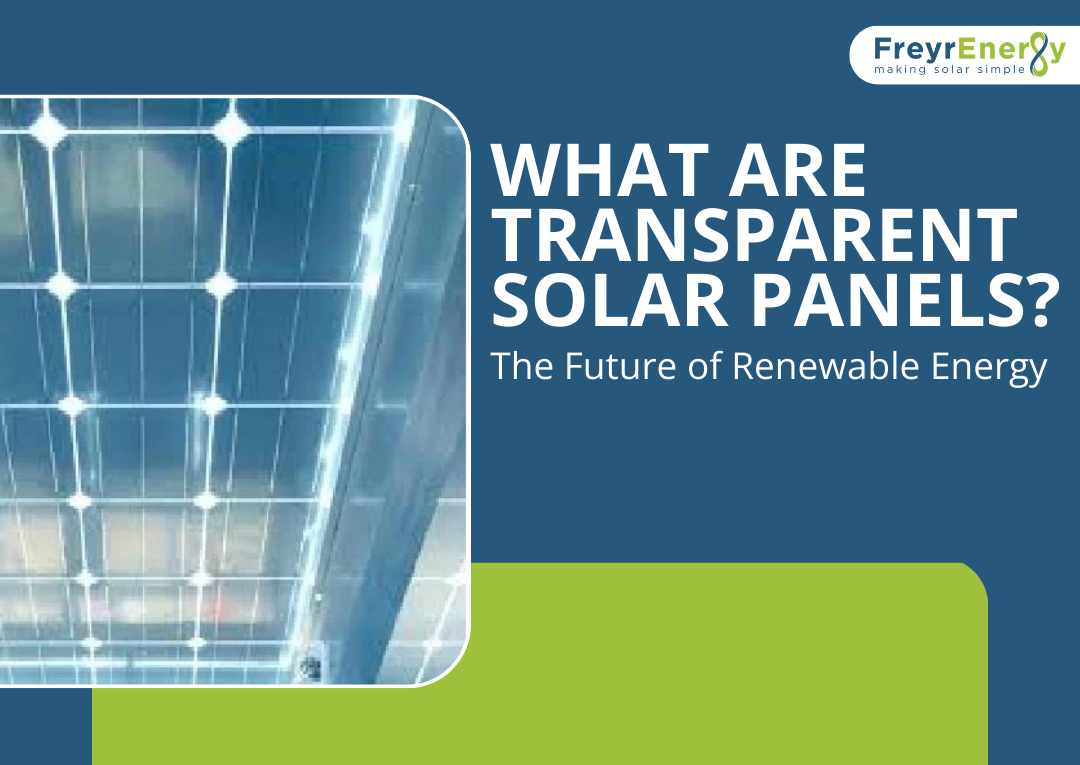
With the increasing density of cities and the ongoing increase in electricity consumption, solar technology is changing to be more than a rooftop setup. The most aspiring invention under solar technology to come is the transparent solar panel – also known as the see-through solar panel or solar glass panel. Using these advanced mechanisms, the generation of clean energy is made possible without having to sacrifice on the design, visibility, or the space of application.
It addresses the functioning of transparent solar panel technology, its application in India, where it is applied, and its price systems. It is also easy to comprehend, as the blog brings to light the main advantages and disadvantages of transparent solar panels and their possible use in the future development of solar technology in India.
What Are Transparent Solar Panels?
A transparent solar panel is one of these kinds of solar panels that allow the penetration of visible light and employs the invisible light, which contains ultraviolet (UV) and infrared (IR) rays, to generate electricity.
In other words, it is the solar technology that can produce power, and at the same time, it can be partially or totally transparent. This is the reason why the transparent solar panels can be applied in the windows, glass facades, skylights and modern architecture where the appearance and functionality are highly important.
Why Are Transparent Solar Panels Gaining Attention in India
Urban Space Constraints
Rooftop space is not abundant in big metropolitan areas. In India, BIPV can be used to convert the vertical surfaces, such as windows and glass walls, into sources of energy.
Rising Electricity Demand
Commercial buildings, malls, airports and IT parks consume huge quantities of electricity. Clear photovoltaic panels are also another source of energy and do not need any extra land.
Green Building Adoption
As ESG compliance and sustainable building grow, solar glass panels are compatible with green building systems and smart city programmes.
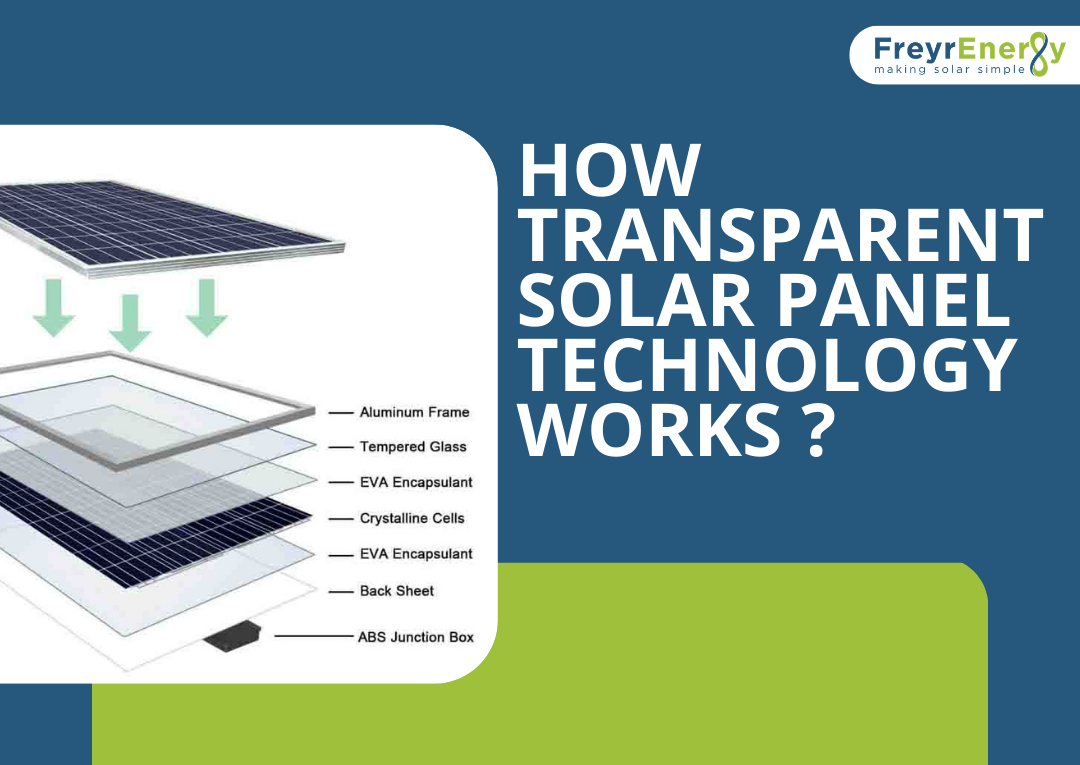
How Transparent Solar Panel Technology Works
Selective Light Absorption
Transparent solar panels are designed to absorb UV and IR light while allowing visible light to pass through.
Transparent Photovoltaic Materials
Advanced materials, such as organic compounds and transparent thin-film solar panels, selectively convert sunlight into energy without compromising transparency.
Energy Conversion
The absorbed light is converted into electricity using transparent solar cells, while the panel continues to function as usable glass.
Types of Transparent Solar Panels
Organic Transparent Solar Cells
- Use organic photovoltaic materials
- High transparency
- Lower efficiency
- Ideal for architectural and indoor use
Luminescent Solar Concentrators
- Capture sunlight and direct it to panel edges
- High transparency
- Suitable for large glass surfaces
Transparent Thin-Film Solar Panels
- Balance between transparency and performance
- Used in facades and windows
These are the most common types of transparent solar panels available today.
Transparency vs Power Generation
Transparency Levels
Panels typically range from 30% to 80% transparency.
Efficiency Trade-Off
Higher transparency results in lower power output. Transparent solar panel efficiency is lower than that of traditional panels, but they generate energy from unused surfaces.
Performance in India
In Indian conditions, transparent solar panel performance works best as a supplementary power source rather than a primary system.
Applications of Transparent Solar Panels in India
Transparent Solar Panels for Windows
- Office buildings
- Residential high-rises
- Hotels
Commercial Buildings & Malls
- Shopping malls
- Airports
- Corporate campuses
IT Parks & Greenhouses
- Smart campuses
- Sustainable greenhouses
- IT parks with glass exteriors
These use cases highlight the growing adoption of transparent solar panels in India.
Transparent Solar Panels vs Traditional Solar Panels
| Feature | Transparent Solar Panels | Traditional Solar Panels |
| Power Output | Lower | Higher |
| Transparency | Yes | No |
| Installation | Facades, windows | Rooftops |
| Design Integration | Excellent | Limited |
| Efficiency | Lower | Higher |
This solar panels comparison shows why transparent panels complement, rather than replace, traditional systems.
Benefits of Transparent Solar Panels
Dual-Purpose Energy + Design
They act as both a building material and an energy generator—one of the key advantages of solar glass.
Space-Saving Solution
Perfect for urban buildings where rooftop space is limited.
Modern Architecture
Aesthetic, sustainable, and future-ready—ideal for smart cities.
Limitations of Transparent Solar Panels
Lower Efficiency
One of the main transparent solar panel limitations is reduced energy output.
High Cost
Advanced materials increase manufacturing expenses.
Limited Availability
Most systems are currently imported or used in pilot projects in India.
These are common disadvantages of transparent solar panels.
Cost of Transparent Solar Panels in India
The cost of a transparent solar panel in India is significantly higher than that of conventional systems due to advanced technology and limited local manufacturing.
Key Cost Factors
- Transparency level
- Building integration type
- Glass thickness and design
The solar glass cost in India is currently viable mainly for commercial and premium projects, where design and sustainability justify the investment.
Availability & Commercial Use in India
Market Readiness
The market is still emerging.
Smart Building Adoption
Growing interest in solar glass panels in India within smart cities.
Pilot Projects
Most transparent solar panels in Indian installations are demonstration or imported projects.
Future of Transparent Solar Panels in India
Smart Cities Mission
Transparent solar fits seamlessly into urban infrastructure.
Net-Zero Buildings
Essential for achieving net-zero commercial structures.
Renewable Energy Goals
As costs drop and efficiency improves, transparent solar panels could become next generation solar panels in India.
The future of solar technology in India will likely combine rooftop systems with building-integrated solar solutions.
Conclusion
One of the largest innovations in terms of renewable energy is clear solar panels. They are not a replacement for the traditional systems on the roofs, but they are a potent addition solution, especially in India.
With the further development of solar technology, transparent solar panels will become the future of buildings as they will silently turn the glass into energy making the future of energy even smarter and cleaner.