

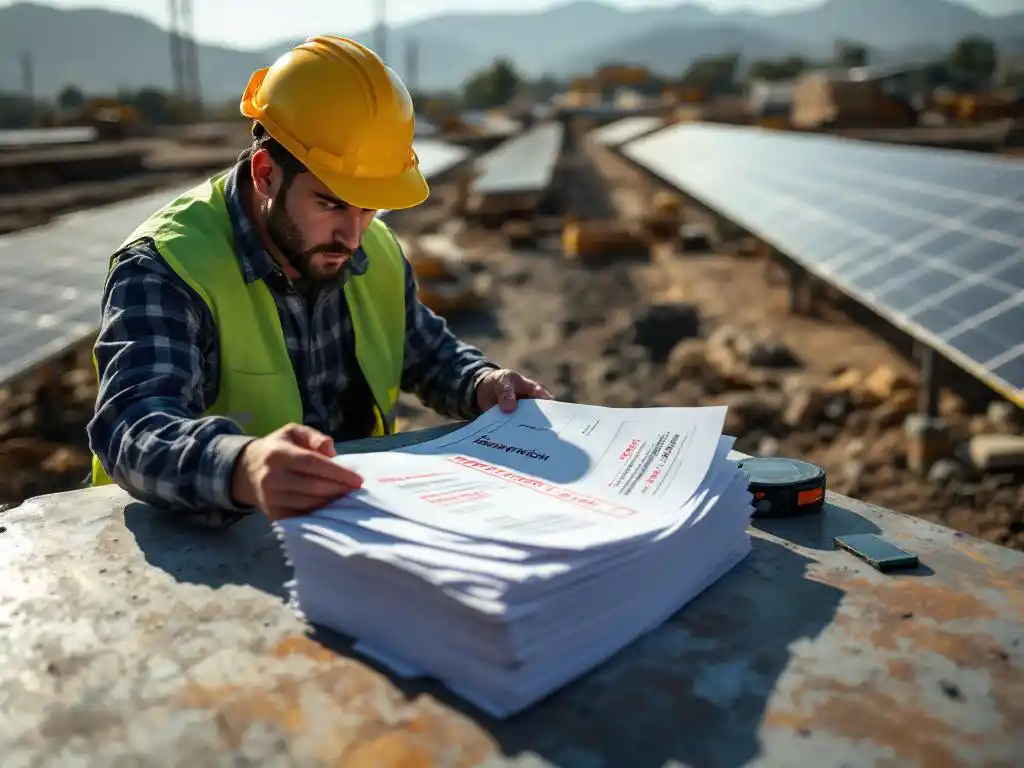
Cost overruns in large solar installations stem from design errors, equipment delays, site complications, and engineering mistakes that cascade throughout project phases. These budget overruns typically occur when initial planning fails to account for complex terrain, procurement lead times, or regulatory changes. Understanding these factors helps project teams implement preventive strategies that protect budgets and timelines.
What are the most common causes of cost overruns in large solar projects?
The primary drivers of budget overruns include design calculation errors, equipment procurement delays, unexpected site conditions, and regulatory compliance issues. Engineering mistakes during the initial design phase create the most expensive problems, as they require costly modifications during construction when materials and labor are already committed.
Design errors particularly impact utility-scale installations, where stringing calculations and terrain modeling mistakes can render entire sections unbuildable. When pre-sales layouts do not translate to construction reality, teams face expensive redesign work that delays project completion and increases labor costs. Equipment specification changes mid-project also drive significant cost escalations, especially when transformers, breakers, or mounting systems require last-minute modifications.
Regulatory changes present another major cost driver, particularly interconnection requirements that evolve during lengthy project development cycles. Environmental compliance issues discovered late in the process can force costly design modifications or require additional permitting that extends timelines beyond budgeted parameters.
How do engineering mistakes lead to expensive solar project delays?
Engineering errors create cascading cost impacts because they are typically discovered during construction, when corrections are most expensive. Calculation mistakes in stringing configurations or inadequate terrain analysis can halt construction entirely, requiring complete redesign of affected areas while crews remain on standby.
The most costly engineering mistakes involve fundamental design assumptions that prove incorrect during construction. When cut-and-fill calculations do not account for actual soil conditions, or when cable routing plans conflict with previously unidentified underground utilities, teams face substantial rework costs. These errors often require bringing engineering teams back to the site, ordering new materials, and extending construction schedules.
Solar design software that automates complex calculations helps prevent these expensive mistakes by ensuring accuracy in stringing configurations and terrain modeling. CAD-integrated platforms reduce the disconnect between engineering drawings and construction reality, minimizing the risk of field modifications that drive budget overruns.
Why do equipment procurement delays cause solar project budget overruns?
Supply chain disruptions and lead-time miscalculations force project teams to accept higher-priced alternatives or extend construction schedules beyond contracted completion dates. Transformer and breaker delays particularly impact utility-scale projects, as these critical components often have lead times of six months or more.
Equipment specification changes during procurement create additional cost pressures. When initially specified components become unavailable, engineering teams must redesign systems around available alternatives, often requiring new calculations for stringing, grounding, and structural elements. This redesign work consumes additional engineering time while construction schedules slip.
The financial impact compounds when project teams must choose between expensive expedited shipping for delayed components or paying penalties for late project completion. Construction crews may require demobilization and remobilization, adding substantial costs to projects already facing budget pressure from equipment delays.
What site conditions create unexpected costs in solar construction projects?
Geological surprises, access limitations, and environmental constraints that were not adequately assessed during initial planning create the most significant unexpected costs. Soil conditions requiring different foundation designs can add substantial expense, particularly when rocky terrain or unstable soils demand engineering solutions not included in original budgets.
Access challenges become expensive when construction equipment cannot reach installation areas as planned. Building temporary roads, using smaller equipment, or using helicopter transport for materials in difficult terrain can dramatically increase construction costs. Utility-scale projects in remote locations face particular challenges when site surveys do not fully capture access limitations.
Environmental compliance issues discovered during construction halt progress while teams obtain additional permits or modify designs to protect sensitive areas. Wetland delineation changes, endangered species habitat discoveries, or cultural resource findings can require costly design modifications and timeline extensions that impact project economics.
How can solar project teams prevent cost overruns before they happen?
Proactive cost management begins with thorough site assessment using accurate terrain modeling and comprehensive engineering calculations during the design phase. Automated design tools that integrate with CAD workflows reduce calculation errors while ensuring construction-ready documentation that translates accurately to field conditions.
Realistic timeline planning accounts for equipment lead times, permitting delays, and potential site complications. Teams should lock in equipment procurement earlier in the development cycle, accepting that specifications may need adjustment based on actual availability rather than ideal component selection.
Integrated project management approaches coordinate engineering, procurement, and construction phases to identify potential conflicts before they become expensive problems. Regular design reviews with construction teams help identify buildability issues while modifications remain relatively inexpensive. Working with experienced solar development partners ensures comprehensive bill-of-materials generation early in the process for accurate cost estimation and reduces procurement surprises that drive budget overruns. For expert guidance on preventing cost overruns in your solar project, contact our experienced team for professional consultation.
Frequently Asked Questions
What percentage of contingency budget should I allocate for a large solar project?
Industry best practice recommends allocating 10-15% contingency for well-planned utility-scale solar projects, with higher percentages (15-20%) for projects with challenging terrain or complex interconnection requirements. This contingency should be separate from your base construction budget and specifically earmarked for unforeseen site conditions, equipment delays, or regulatory changes that commonly drive overruns.
How early should I start equipment procurement to avoid delays and cost overruns?
Begin equipment procurement 12-18 months before planned construction start, particularly for transformers, switchgear, and specialized mounting systems with long lead times. Lock in pricing and delivery schedules during the design development phase, even if final specifications may require minor adjustments, as early procurement provides more flexibility to manage supply chain disruptions without budget impact.
What are the warning signs that my solar project is heading toward a cost overrun?
Key warning signs include design changes after 60% completion of engineering drawings, equipment lead times extending beyond original projections, and discovery of site conditions not captured in initial surveys. Additionally, if your engineering team is making frequent field visits during construction or if you’re receiving change orders from contractors, these indicate potential cost escalations that require immediate attention.
Should I hire a third-party reviewer to validate my engineering designs before construction?
Yes, independent design reviews by experienced solar engineers can identify costly mistakes before construction begins, typically saving 3-5 times their cost in avoided rework. Focus the review on stringing calculations, grounding designs, and constructability analysis, particularly for complex terrain or utility-scale projects where engineering errors have the highest financial impact.
How can I protect my project budget when regulatory requirements change mid-development?
Build regulatory buffer time into your development schedule and maintain regular communication with utility interconnection teams and permitting authorities throughout the process. Consider purchasing development insurance that covers regulatory delays, and structure contracts with flexibility clauses that allow design modifications for compliance changes without triggering full contract renegotiation.
What’s the most cost-effective way to handle unexpected soil conditions during construction?
Conduct comprehensive geotechnical analysis during the design phase, including soil boring at representative locations across your site rather than relying solely on desktop studies. When soil issues arise during construction, work with your structural engineer to develop alternative foundation solutions quickly, as construction delays often cost more than upgraded foundation systems.
How do I choose between paying expedited shipping costs versus project delay penalties?
Calculate the total cost of each option including liquidated damages, crew standby costs, and lost revenue from delayed commercial operation. Expedited shipping is often more cost-effective than delay penalties, but consider partial delivery strategies where non-critical components ship standard while critical path items receive expedited treatment to minimize overall impact on project economics.
Source link