

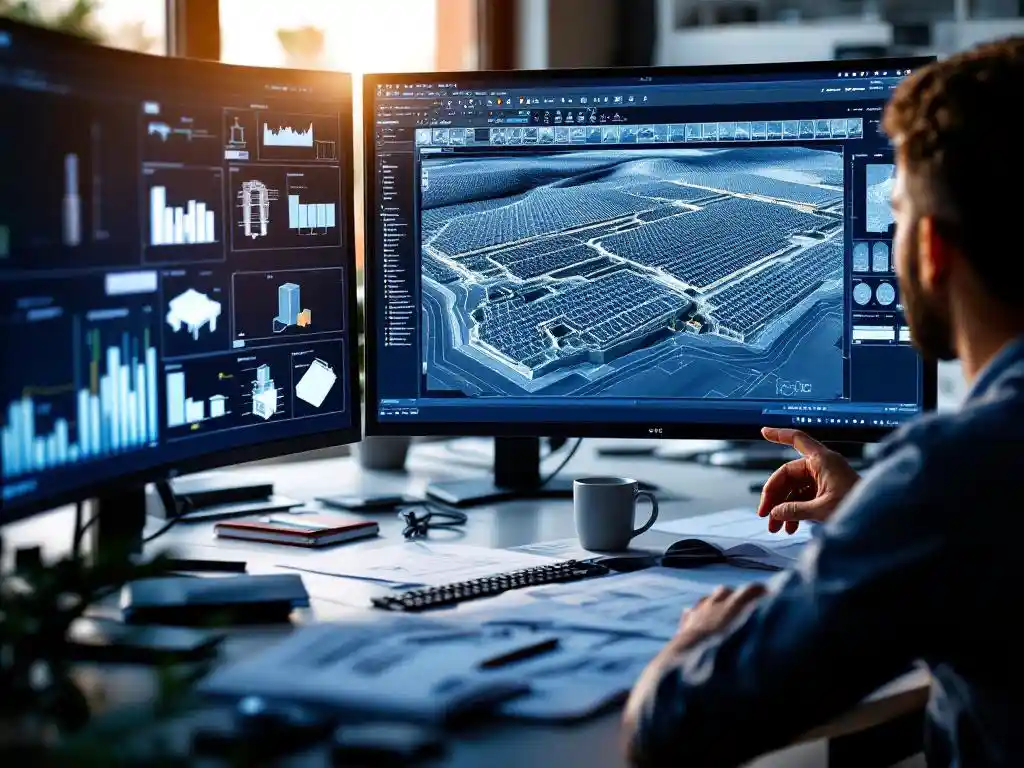
Solar system design involves far more complexity than simply placing panels on a roof or ground surface. The process requires intricate electrical calculations, structural engineering assessments, regulatory compliance, and equipment integration across multiple disciplines. Each project presents unique challenges, from terrain variations to local building codes, making standardised approaches insufficient for successful installations.
What exactly makes solar system design so technically challenging?
Solar system design requires mastery of multiple engineering disciplines simultaneously, including electrical engineering for DC and AC calculations, structural engineering for load assessments, and environmental engineering for weather resistance. The complexity stems from optimising energy production while ensuring safety, compliance, and long-term reliability across 25-year project lifecycles.
The electrical engineering aspects alone involve complex stringing calculations to determine optimal panel configurations, inverter sizing, and cable routing throughout the installation. Engineers must calculate voltage drops, current-carrying capacities, and fault protection requirements while accounting for temperature variations and system degradation over time. These calculations become exponentially more complex in utility-scale installations where thousands of panels must be configured into optimal strings.
Structural engineering requirements add another layer of complexity, particularly for ground-mount installations on varied terrain. Engineers must perform cut-and-fill analysis, assess soil bearing capacity, and design mounting systems that can withstand local wind and snow loads. The integration of terrain modelling with electrical design creates challenging optimisation problems where the ideal electrical layout may conflict with structural requirements or site constraints.
Why do solar projects face so many regulatory and compliance hurdles?
Solar installations must comply with multiple overlapping regulatory frameworks, including local building codes, electrical standards, utility interconnection requirements, and safety regulations that vary significantly by jurisdiction. This regulatory complexity requires detailed documentation and approval processes that can extend project timelines by months if not properly managed.
Building codes vary dramatically between municipalities, with different requirements for structural loads, setbacks, and fire safety access. Electrical codes such as the National Electrical Code (NEC) in the United States or similar standards globally mandate specific installation practices, grounding requirements, and safety disconnects that must be precisely documented in construction drawings.
Utility interconnection presents perhaps the most complex regulatory challenge, as each utility company has different requirements for grid connection, power quality, and protection systems. The interconnection process often requires detailed single-line diagrams, power studies, and coordination with utility engineers, who may request design modifications based on local grid conditions.
How do site-specific conditions impact solar system design complexity?
Every solar installation site presents unique environmental and physical constraints that require customised engineering solutions. Factors such as terrain variations, shading patterns, soil conditions, and local weather patterns create design challenges that cannot be addressed through standardised approaches, demanding site-specific analysis and optimisation.
Terrain variations significantly impact both the electrical and structural design of solar installations. Slopes, ridges, and depressions affect panel placement, cable routing, and access road design. 3D terrain modelling becomes essential for utility-scale projects where even small elevation changes can impact drainage, foundation design, and overall system performance.
Shading analysis adds temporal complexity to the design process, as engineers must model sun paths throughout the year and account for nearby structures, vegetation, and topographical features. This analysis directly impacts panel spacing, tilt angles, and overall system layout, often requiring iterative design optimisation to balance energy production with land-use efficiency.
Environmental factors such as wind patterns, snow loads, and seismic activity vary dramatically by location and require careful consideration in structural design. Coastal installations face additional challenges from salt corrosion, while desert installations must account for extreme temperature variations and sand infiltration.
What role does equipment integration play in solar design complexity?
Solar system design requires careful selection and integration of compatible components, including panels, inverters, mounting systems, and monitoring equipment. Each component choice affects system performance, reliability, and installation complexity, creating interdependencies that must be optimised across the entire system rather than individually.
Inverter selection significantly impacts system design, as different inverter technologies require different DC input configurations and installation approaches. String inverters, power optimisers, and microinverters each have specific design requirements for panel grouping, cable management, and monitoring integration. The choice affects not only electrical design but also construction sequencing and maintenance accessibility.
Mounting system integration presents mechanical and electrical challenges, particularly for ground-mount installations where the racking system must accommodate specific panel dimensions, wind loads, and soil conditions. The mounting system choice affects foundation design, cable management pathways, and long-term maintenance access.
Comprehensive BOM generation (bill of materials) becomes critical for ensuring all components are compatible and properly specified for the specific installation conditions. This includes not only major components but also all electrical conduits, grounding equipment, and fasteners required for a complete installation.
How can modern software solutions address solar design complexity?
Advanced solar design software streamlines the complex design process by automating calculations, optimising layouts, ensuring compliance, and integrating multiple design disciplines into cohesive workflows. Modern CAD-integrated platforms can reduce engineering time significantly while maintaining accuracy and generating construction-ready documentation.
Automated stringing calculations eliminate manual errors and enable rapid optimisation of panel configurations across complex terrain. Software can simultaneously optimise for energy production, voltage requirements, and installation efficiency while ensuring compliance with electrical codes and manufacturer specifications.
Integration with existing CAD workflows, particularly AutoCAD environments, allows engineers to leverage familiar tools while accessing specialised solar design capabilities. This CAD-integrated approach maintains design standards and documentation practices that engineering teams already use for other infrastructure projects.
Modern platforms enable two-phase design processes in which initial feasibility studies can be rapidly generated for pre-sales activities, then seamlessly transferred to detailed engineering phases for construction documentation. This workflow bridges the gap between sales teams and engineering departments, ensuring design continuity throughout project development.
Advanced software solutions also provide PVsyst export capabilities, enabling detailed performance modelling and yield analysis using industry-standard simulation tools. This integration ensures that design optimisation considers both installation efficiency and long-term energy production performance.
The complexity of solar system design reflects the sophisticated engineering required to create reliable, efficient renewable energy installations. Modern solar design software addresses these challenges by automating repetitive calculations, ensuring regulatory compliance, and enabling rapid iteration of design alternatives. For engineering teams managing multiple utility-scale projects, the right design tools can transform months of manual work into days of efficient, automated engineering while maintaining the accuracy essential for successful project delivery. Companies like Virto Solar understand these complexities and provide comprehensive solutions to streamline the design process. If you’re facing challenges with your solar project design, consider contacting our expert team for professional guidance.
Frequently Asked Questions
How long does it typically take to complete a solar system design from start to finish?
The timeline varies significantly based on project complexity and size. Simple residential installations may take 1-2 weeks for design completion, while utility-scale projects can require 2-6 months for comprehensive engineering. Using modern CAD-integrated solar design software can reduce these timelines by 60-80% compared to manual design processes.
What are the most common mistakes engineers make when starting their first solar design project?
The most frequent errors include underestimating cable voltage drop calculations, inadequate consideration of temperature derating factors, and failing to account for future maintenance access in layout design. Many engineers also overlook the importance of early utility coordination, which can lead to costly redesigns during the interconnection approval process.
How do I determine the optimal inverter-to-panel ratio for maximum system efficiency?
The optimal DC-to-AC ratio typically ranges from 1.1:1 to 1.3:1, depending on site conditions and local irradiance patterns. Consider factors like panel degradation over time, local weather patterns, and utility curtailment requirements. Advanced solar design software can model these variables automatically to recommend the most cost-effective ratio for your specific installation.
What should I do if my initial design doesn’t meet local setback requirements?
Start by reviewing alternative panel layouts that maximize the available space while maintaining required setbacks from property lines, structures, and fire access lanes. Consider adjusting row spacing, panel orientation, or switching to higher-efficiency panels to maintain power output. Modern design software can quickly generate multiple layout alternatives to help you find compliant solutions.
How can I ensure my solar design will pass utility interconnection review on the first submission?
Thoroughly review the utility’s specific interconnection requirements before beginning detailed design, as requirements vary significantly between utilities. Ensure your single-line diagrams include all required protection equipment, properly sized conductors, and compliant grounding systems. Consider engaging with the utility engineer early in the design process to address potential concerns before formal submission.
What’s the best approach for handling complex terrain in large-scale solar installations?
Utilize 3D terrain modeling software to accurately assess elevation changes, drainage patterns, and optimal panel placement. Break complex sites into zones with similar characteristics, and consider using tracking systems or varied tilt angles to optimize energy capture across different slope conditions. Advanced design platforms can automatically optimize layouts across complex topography while maintaining electrical and structural requirements.
How do I transition from manual design methods to automated solar design software without disrupting ongoing projects?
Start by using automated software for new, smaller projects while maintaining your current workflow for ongoing large installations. Focus on CAD-integrated solutions that work within your existing AutoCAD environment to minimize learning curves. Most modern platforms offer training programs and can import existing project data, allowing for gradual transition without project delays.
Source link