

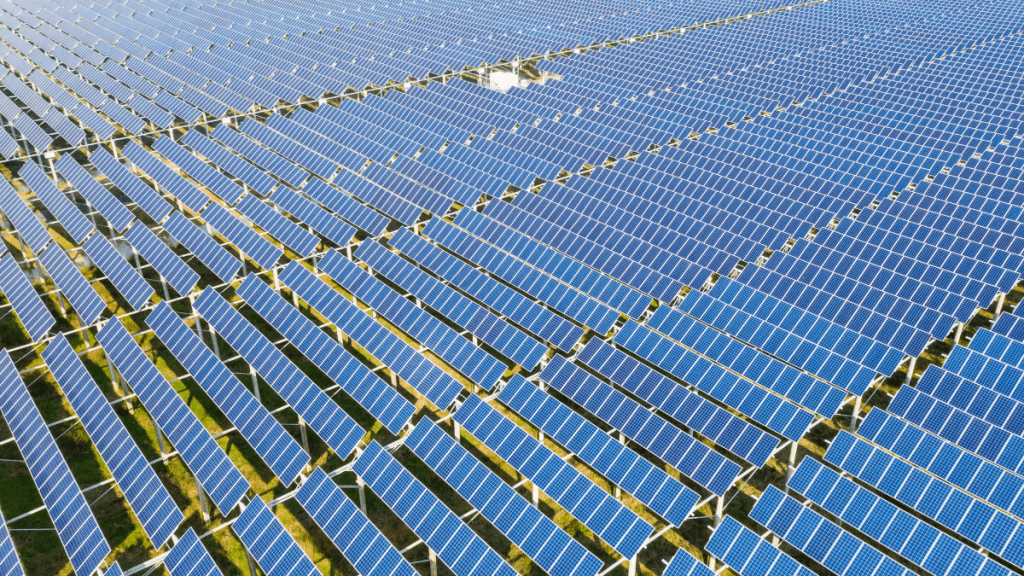

Fujiyama Power Systems Limited has commissioned a 2-GW solar panel manufacturing facility in Madhya Pradesh, strengthening India’s domestic solar manufacturing ecosystem and supporting the country’s renewable energy localisation efforts.
The new greenfield manufacturing facility, located in Ratlam, has been developed as part of the company’s broader expansion strategy aimed at increasing integrated clean energy manufacturing capabilities across solar modules, batteries, and inverters.
According to the company, the facility will initially operate at around 1 GW annual production capacity under single-shift operations before gradually scaling up to its full 2-GW capacity through phased expansion and double-shift operations by FY2027.
With the commissioning of the Ratlam plant, Fujiyama’s total solar module manufacturing capacity has increased to approximately 3.57 GW, reinforcing the company’s position within India’s rapidly growing solar manufacturing sector.
The company is also pursuing backward integration initiatives to strengthen domestic supply chain localisation. Fujiyama has already commissioned a 1-GW solar cell manufacturing facility in Dadri, Uttar Pradesh, and has approved plans for an additional 1.2-GW TOPCon solar cell manufacturing line at the Ratlam facility.
Industry trends indicate growing adoption of TOPCon technology across India’s solar manufacturing sector due to higher conversion efficiencies, improved temperature performance, and longer operational lifespan compared to conventional module technologies.
The expansion comes amid continued growth in India’s renewable energy manufacturing industry, supported by government initiatives such as the Production Linked Incentive (PLI) scheme, Approved List of Models and Manufacturers (ALMM) regulations, and increasing demand for domestically manufactured solar equipment.
Reports also indicated that commissioning timelines for Fujiyama’s battery and inverter manufacturing lines were impacted by equipment delivery delays and integration requirements related to advanced lithium-ion battery technologies. The inverter manufacturing line is expected to become operational in FY2027, followed by the battery manufacturing unit.
The project further strengthens Ratlam and Madhya Pradesh’s emerging role as key renewable energy manufacturing hubs as India continues expanding domestic clean energy production capacity to reduce import dependence and support long-term energy transition goals.
Related
Discover more from SolarQuarter
Subscribe to get the latest posts sent to your email.
Source link