


Hybrid renewable energy projects combine solar or wind generation with battery storage to make power systems more flexible and better protected from unstable electricity prices. A strong example is the Kvosted Hybrid Park, which shows how adding storage to renewable plants can turn market uncertainty into financial and operational value.

As the share of renewable energy keeps increasing across Europe, maintaining a stable and reliable electricity supply has become a major challenge. Companies like European Energy are focusing on hybrid projects that combine generation and storage in a single system, so that renewable energy can be delivered more consistently even when weather conditions change quickly.
Europe is now entering a new phase of its clean energy transition, where flexibility is becoming just as important as building new capacity. By 2030, renewables are expected to generate nearly 70% of Europe’s electricity, compared to about 50% in 2025. While this is a major step forward for clean energy, it also creates new problems for power systems.One of the biggest issues is increasing price volatility.
Electricity markets are seeing more frequent periods of extremely low or even negative prices. For example, in Denmark’s DK1 electricity price zone, there were 521 hours of zero or negative wholesale electricity prices in 2025, compared to 424 hours in 2024. This happens when solar and wind generation is very high during the middle of the day but demand is not strong enough to use all the electricity being produced.
When supply is higher than demand, grids become overloaded, and renewable plants may be forced to reduce output or shut down temporarily. This is known as curtailment. In some cases, producers may even have to effectively “pay” to keep generating electricity. This creates a serious challenge for renewable energy projects: how can they remain profitable when their electricity cannot always be sold at good prices?Because of this, simply building more renewable capacity is no longer enough.
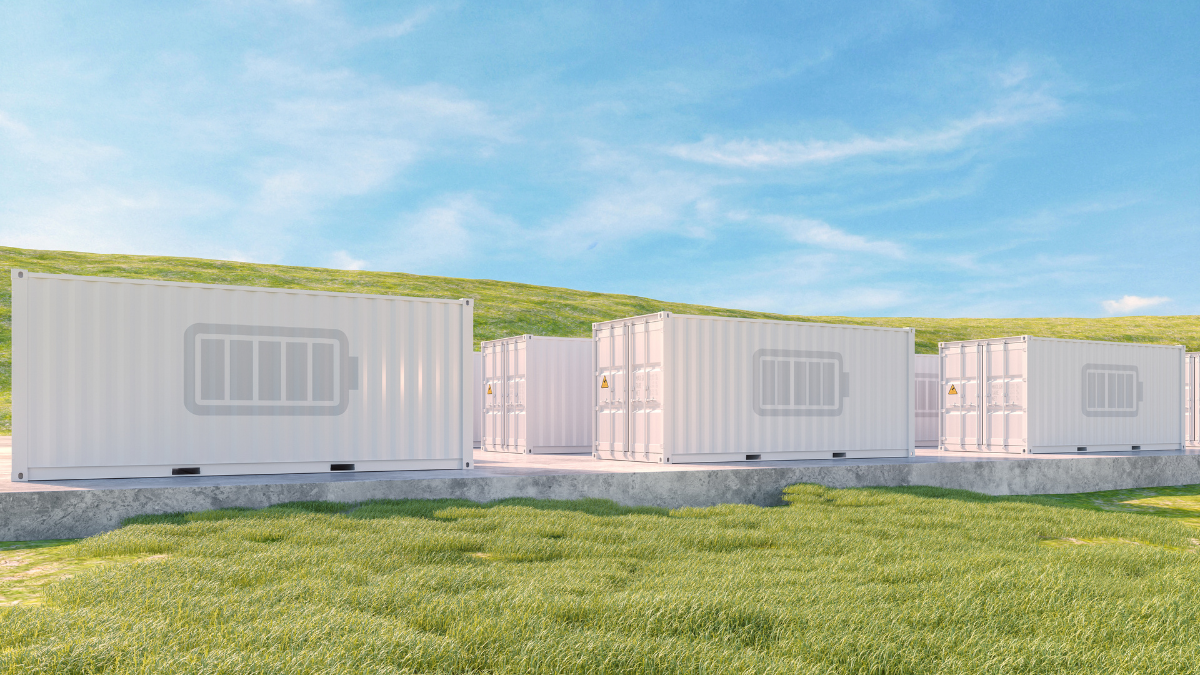
The energy system also needs ways to store and shift electricity to the right time. This is where battery energy storage systems (BESS) play an important role.At the Kvosted Energy Park in Denmark, European Energy has implemented a large-scale hybrid solution by combining solar power with battery storage at the same site.
Instead of treating batteries as separate additions, they are fully integrated into the design of the project, operating as one connected system.Hybrid solar-plus-storage systems work by storing excess electricity when production is high and prices are low, and then releasing it when demand increases and prices improve. For example, solar power generated during midday can be stored in batteries instead of being wasted or sold cheaply.
Later in the evening, when electricity demand is higher, the stored energy can be sent back to the grid at better prices.This approach helps reduce losses from curtailment and negative pricing, while also allowing project owners to benefit from price differences throughout the day. It also improves the use of existing grid connections by allowing more energy services to be delivered through the same infrastructure.Battery storage is becoming increasingly important in Europe.
Annual storage installations reached around 14 GW in 2025 and are expected to rise above 30 GW by 2030. More than 14 countries have already included storage in their national energy strategies, showing that batteries are shifting from optional technology to essential infrastructure.The Kvosted Energy Park is a clear example of how this model works in practice.
Located in Viborg municipality in Denmark, it is considered one of the largest combined solar and storage facilities in Northern Europe as of 2026. The project originally began in 2022 as a 101 MW solar power plant.However, as electricity markets became more volatile and negative pricing events increased, a decision was made in 2025 to add a 50 MW / 200 MWh battery system on site. After this upgrade, Kvosted became a fully integrated hybrid energy park, where both solar panels and batteries operate together through a shared grid connection.
The battery system charges when there is excess solar production or when electricity prices are low. It then discharges power during peak demand periods when prices are higher. This helps the project avoid wasting energy during low-value hours and instead shift it to more profitable time periods.This setup reduces exposure to negative prices and curtailment, which improves the overall efficiency of the project.
It also increases revenue by allowing energy to be sold at better average prices instead of being limited to midday production values. This strategy is often described as reducing “shape risk,” meaning the risk of producing electricity at the wrong time.In addition to energy trading, the battery also allows Kvosted to participate in grid support services. These include frequency regulation and reserve power, which help maintain stability in the electricity system.
These services create additional income streams beyond normal electricity sales, making the project more financially diversified.From a financial point of view, this hybrid structure makes renewable projects more stable and attractive for investors. Instead of relying only on fixed power prices or long-term contracts, hybrid systems can adjust output based on real-time market conditions, improving overall revenue reliability.
European Energy sees Kvosted as a model for future renewable development. The company plans to build many new solar projects as hybrid systems wherever possible and is also developing a large pipeline of battery projects across different markets
.Overall, hybrid renewable energy projects like Kvosted show how the combination of generation and storage is becoming the next step in the evolution of clean energy systems. Instead of only producing electricity, modern renewable plants are now designed to store, shift, and deliver energy when it is most needed, making the entire system more flexible, efficient, and resilient in a changing power market.
Related
Discover more from SolarQuarter
Subscribe to get the latest posts sent to your email.
Source link