

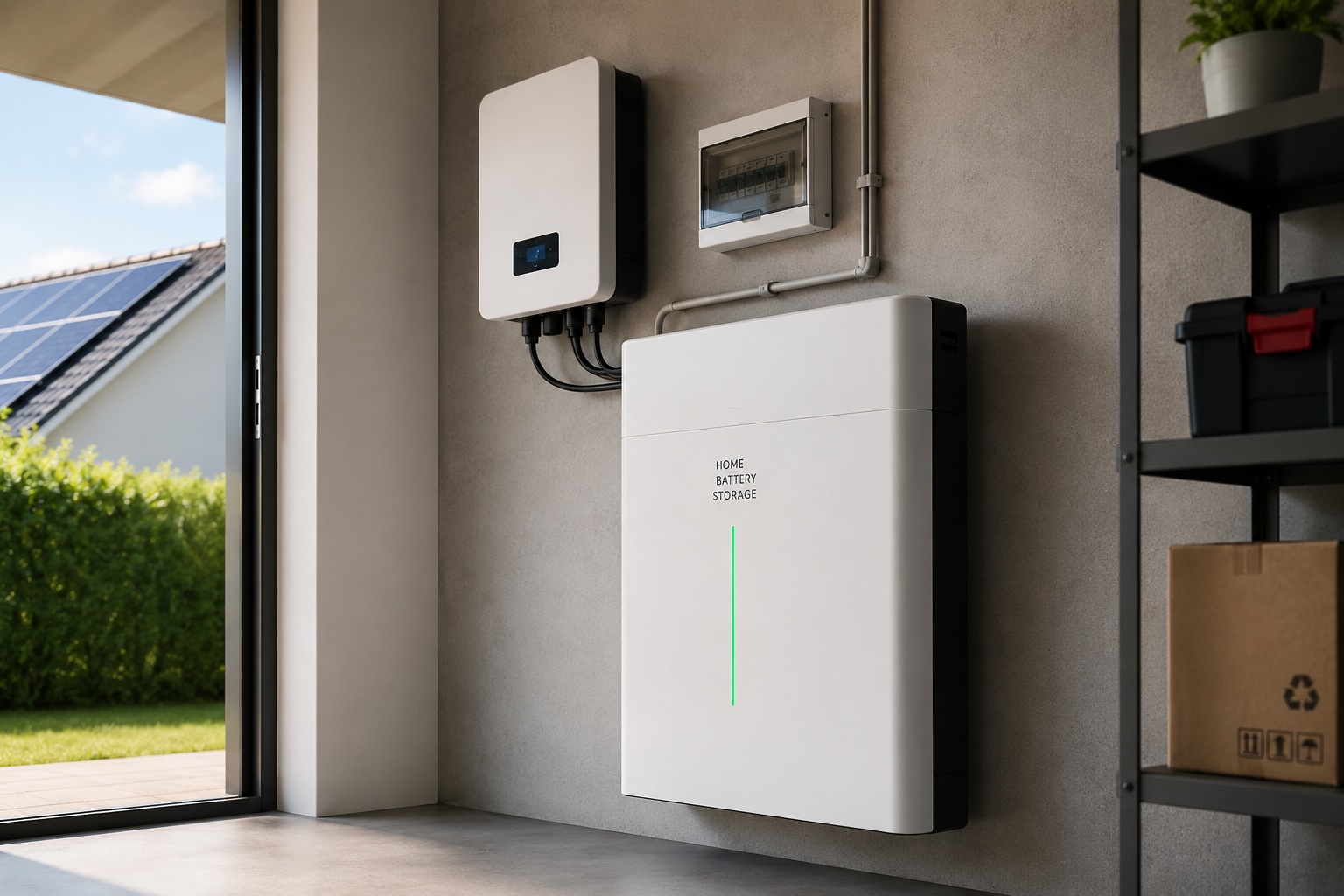
According to data from the Spanish PV association UNEF, distributed storage linked to photovoltaic self-consumption reached 540 MWh in Spain in 2025, representing a 65% increase compared with the 327 MWh installed in 2024. Growth was mainly driven by the residential segment, where battery-equipped systems nearly doubled, rising 99% to 219 MWh. Residential storage accounted for 40% of total installed capacity, while 61% of new residential self-consumption systems incorporated batteries.
As residential battery deployment continues to accelerate, attention is increasingly turning to the factors that can affect system performance and safety over time, particularly under extreme weather conditions. Rising summer temperatures, for example, can affect both battery performance and service life. A recent battery explosion in Germany, reportedly caused by overheating, has highlighted the potential risks associated with inadequate thermal management.
Garikoitz Sarriegi, head of converters and storage at Kiwa PI Berlin, told pv magazine the main challenges posed by heatwaves and the measures that can help reduce risks.
Although several battery chemistries are available—including lead-acid, nickel-based technologies such as nickel-cadmium (NiCd) and nickel-metal hydride (NiMH), and emerging sodium-ion solutions—Sarriegi said the residential market, both currently and in the near term, is expected to be dominated by lithium iron phosphate (LFP) batteries.
Battery systems generally operate most efficiently at temperatures between 20 C and 30 C. While extreme cold can also negatively affect performance, with temperatures below 0 C potentially causing lithium plating—the accumulation of metallic lithium on electrode surfaces—high temperatures above 40 C can reduce efficiency, accelerate degradation, and, in exceptional cases, contribute to thermal runaway and fire.
Sarriegi recommends first ensuring that batteries comply with relevant international safety and transport standards, including IEC 62619, UL 9540, and UN 38.3, as well as carrying the European CE marking. These certifications indicate that equipment has been designed and tested according to applicable safety requirements.
He also stresses the importance of following manufacturers’ installation guidelines. “The spacing between batteries, walls, and other heat-generating equipment—such as inverters—is crucial for ensuring proper heat dissipation,” he said.
Finally, Sarriegi recommends appropriately sizing both the inverter and the storage system according to energy consumption patterns and expected environmental conditions.
Moreover, as most residential batteries rely on passive cooling, using natural convection rather than fans, Sarriegi advises installing them in areas with stable temperatures, such as basements or shaded indoor spaces.
He warns against placing batteries in attics or lofts, where the greenhouse effect can push temperatures above outdoor levels, as well as on terraces or façades exposed to direct sunlight.
Where installation in a protected location is not possible, forced-air cooling systems can provide an alternative. However, Sarriegi notes that these solutions require additional maintenance and generate more noise due to fan operation.
“If the battery is already installed in a thermally unfavorable location and cannot be relocated, auxiliary ventilation or air conditioning around the equipment may be required,” he said, noting that such measures can help limit temperature impacts, although they may reduce the overall efficiency of the storage system.
The expert also explained that when batteries or inverters reach high temperatures, built-in protection systems automatically reduce output power—a process known as derating—to prevent permanent damage. At critical temperatures, systems may temporarily shut down.
During periods of extreme heat, Sarriegi recommends shifting the operation of high-consumption appliances, such as air conditioners and ovens, to the middle of the day. This allows more photovoltaic generation to be consumed directly, reducing the amount of energy that must pass through the battery and lowering thermal stress on the storage system.
Source link