
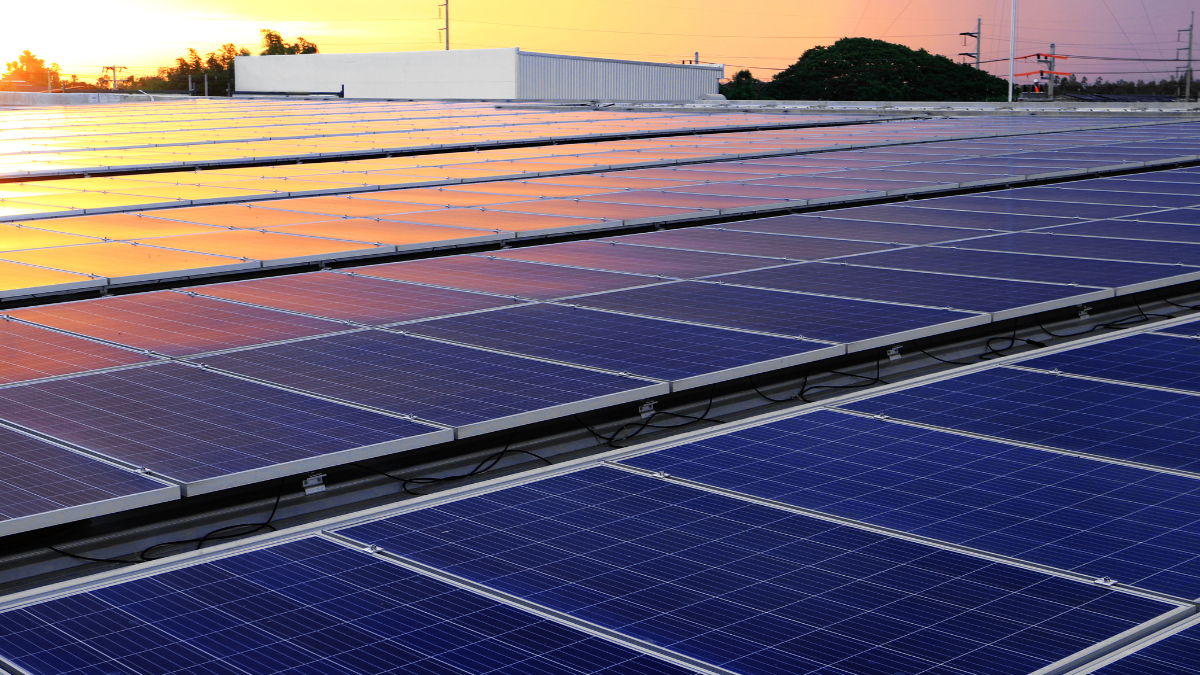
The Energy Commission of Malaysia has issued revised guidelines for solar photovoltaic (PV) installations under the Net Energy Metering (NEM) 3.0 programme, covering the NEM Rakyat scheme for residential consumers and NEM GOMEn for government premises in Peninsular Malaysia.

The guidelines, issued under Section 50C of the Electricity Supply Act 1990, establish requirements for consumers to use solar power for their own needs while allowing excess electricity to be exported to the grid. The Sustainable Energy Development Authority (SEDA) will administer the programme, with applications and quota allocations handled on a first-come, first-served basis.
Under NEM Rakyat, residential consumers can install up to 5 kW of solar capacity for single-phase connections and up to 12.5 kW for three-phase connections. For government premises under NEM GOMEn, the maximum installation capacity is 1,000 kW. The actual capacity is also subject to maximum demand and equipment-rating limits.
The revised framework includes several technical requirements to support grid safety and stability. Solar systems must be connected indirectly through internal distribution boards. Projects with capacities above 72 kW must undergo a Net Energy Metering Assessment Study (NEMAS) conducted by qualified consultants before receiving approval.
The guidelines also allow battery energy storage systems (BESS) to be integrated with solar installations. Smart inverters with grid-support features are required, including anti-islanding protection and reactive power control.
For electricity exported to Tenaga Nasional Berhad (TNB), consumers will receive credits based on prevailing gazetted energy rates. These credits can be used to offset electricity imported from the grid during the billing period. Any unused credits can be carried forward for up to 12 months within the calendar-year settlement period.
However, the export credit mechanism will only remain available for 10 years from the contract commencement date. After this period, solar installations must operate under a pure self-consumption model, without export credits or rollover benefits. Consumers will also be required to ensure that their systems prevent unauthorised electricity exports to the distribution network.
The guidelines further clarify that environmental attributes and carbon reduction credits generated by the solar installations will remain the property of the consumer. The revised framework is intended to support wider solar adoption while maintaining technical and operational stability across Malaysia’s electricity distribution network.
Discover more from SolarQuarter
Subscribe to get the latest posts sent to your email.
Source link