

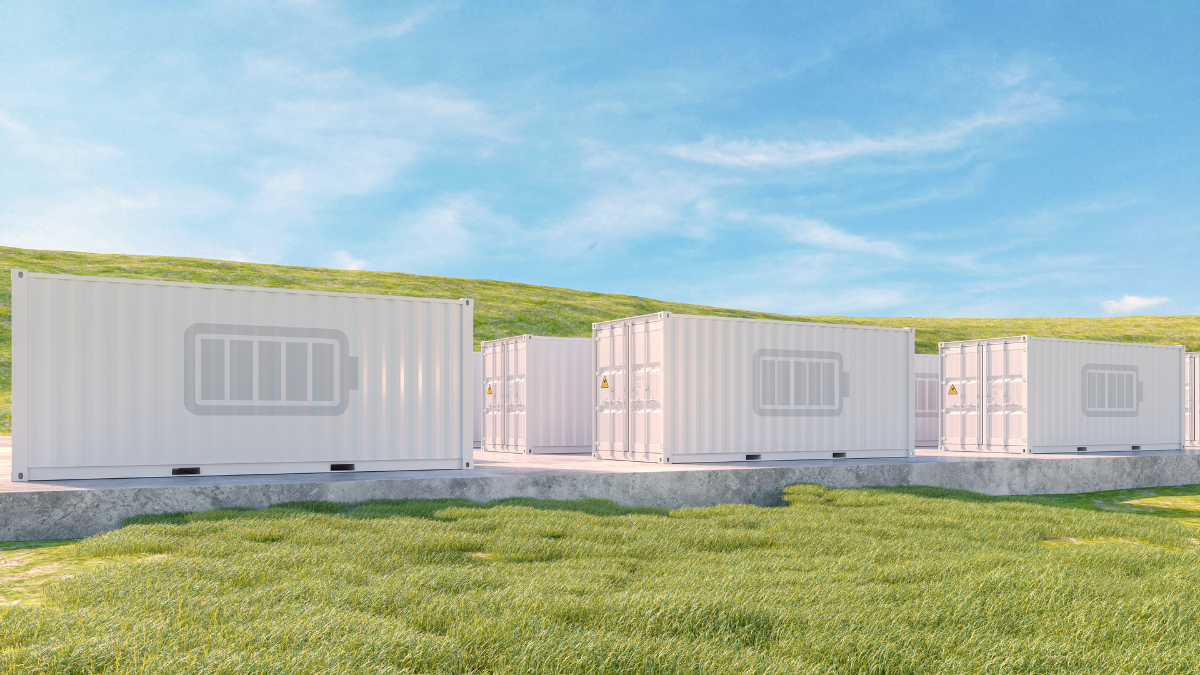
Tamil Nadu has introduced a dedicated Battery Energy Storage Systems (BESS) policy targeting the deployment of at least 2.5 GW or 10 GWh of energy storage capacity over the next three years. The initiative aims to strengthen the state’s electricity grid, improve energy security and support the integration of large-scale renewable energy sources, particularly solar and wind power.

The policy establishes a framework for developing both standalone battery storage installations and co-located storage systems integrated with renewable energy projects. Projects with a minimum capacity of 1 MW will be eligible under the framework, providing opportunities for independent storage developers as well as renewable energy generators to invest in battery-based infrastructure.

To attract investment and encourage wider adoption of storage technologies, the Tamil Nadu government has announced a 100% waiver on transmission and wheeling charges for eligible BESS projects. The exemption will apply to systems charged using clean energy and utilised strategically to meet peak electricity demand. This incentive is expected to improve project economics and make battery storage investments more attractive to developers.
The policy also introduces storage requirements for new renewable energy projects. Solar and hybrid generation plants with capacities of 1 MW and above will be required to incorporate battery storage facilities. These installations must include storage capacity equivalent to a specified percentage of the overall generation capacity, along with a defined multi-hour discharge duration. The government has also encouraged existing renewable energy plants to retrofit battery storage systems to improve their operational flexibility.
The initiative is expected to address challenges associated with the increasing share of intermittent renewable energy in the state’s electricity mix. Solar power generation generally peaks during daylight hours, while electricity demand often rises during the evening. Battery storage can help capture surplus daytime electricity and release it when demand increases, particularly after sunset.
By enabling better utilisation of renewable generation, the policy could reduce energy wastage, ease pressure on transmission infrastructure and improve the reliability of electricity supply during peak-demand periods.
Tamil Nadu’s three-year storage deployment target represents a significant step towards modernising its power infrastructure. The framework is also expected to create investment opportunities across battery manufacturing, project development and energy management while supporting India’s broader clean energy transition.
Discover more from SolarQuarter
Subscribe to get the latest posts sent to your email.
Source link