


The Arunachal Pradesh State Electricity Regulatory Commission has issued a detailed tariff order for the Department of Power, Government of Arunachal Pradesh, which will come into effect from April 1, 2026. This order outlines key financial and operational decisions, including the “True Up” for the financial year 2024-25, an Annual Performance Review for 2025-26, and the approval of the Aggregate Revenue Requirement and retail tariffs for 2026-27.
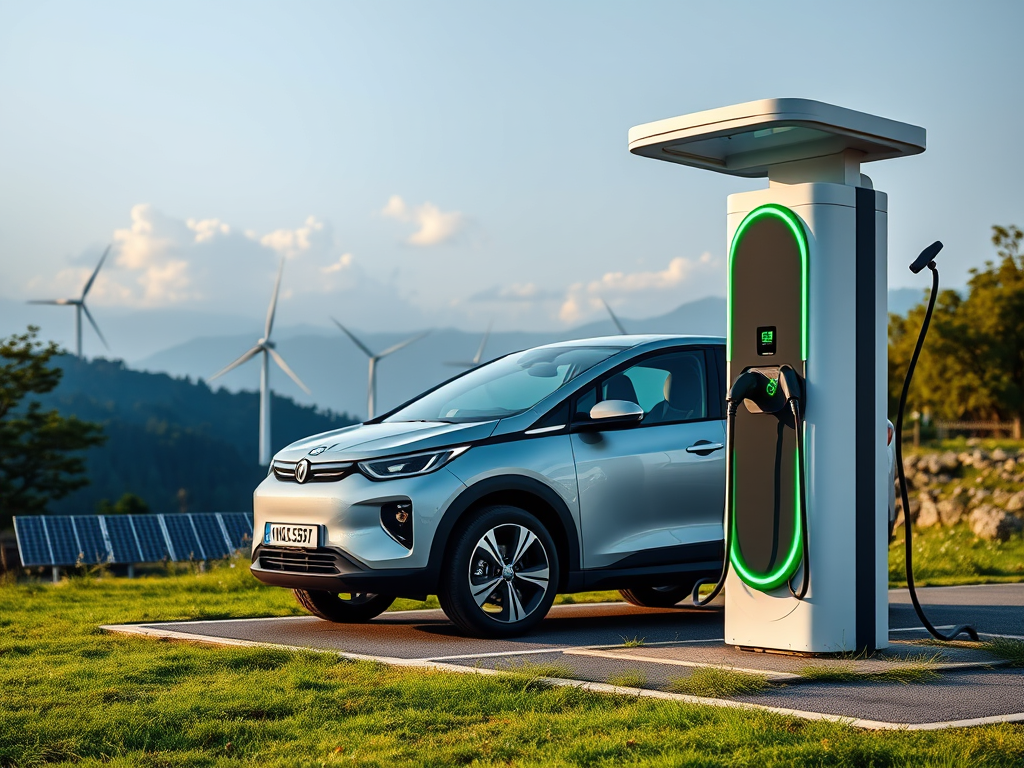
The Commission carefully reviewed the financial records and submissions made by the Department, including audited accounts and operational costs. Based on this analysis, it has set new electricity tariffs for different categories of consumers, such as domestic, commercial, industrial, and agricultural users. These tariffs will remain valid until March 31, 2027. The order also introduces new and modern tariff structures. A Green Tariff has been included to promote the use of renewable energy, allowing consumers to opt for cleaner power sources. Special tariff provisions have also been introduced for electric vehicle charging stations to support the growing EV ecosystem in the state.
Another important feature of the order is the focus on time-of-day tariffs. Under this system, electricity prices will vary depending on the time when power is used, with higher charges during peak hours and lower rates during off-peak periods. This approach is expected to help manage demand more efficiently and encourage consumers to shift usage to non-peak hours.
Apart from tariff determination, the Commission has issued several directives to improve the overall performance of the power sector in the state. One of the major concerns highlighted is the high level of Aggregate Technical and Commercial losses. These losses occur due to technical inefficiencies as well as issues like power theft and poor billing systems. To address this, the Department has been directed to speed up the installation of meters for unmetered consumers and replace faulty meters to ensure accurate billing and reduce losses.
The Commission has also stressed the need for better planning in terms of load forecasting and power procurement. Proper forecasting will help the Department estimate future demand more accurately and avoid power shortages or unnecessary power purchases. Efficient procurement planning will also help in controlling costs and improving financial stability.
Public participation played an important role in the process. After the Department submitted its petition in November 2025, the Commission organized public hearings in January 2026. Consumers and stakeholders were given an opportunity to share their views and concerns regarding the proposed tariffs and policies. The Commission has also directed the Department to publish the final tariff order in leading newspapers within seven days to ensure transparency and awareness among consumers.
On the financial side, the order highlights the gap between the Department’s expected revenue and its actual expenses. To manage this gap, government support in the form of grants will be required. The Commission has followed the Multi-Year Tariff regulations to maintain consistency and predictability in tariff setting.
The order has been officially approved and signed by Chairperson R. K. Joshi and Member (Law) Nich Rika, giving it full legal authority. Overall, this tariff order is an important step towards improving power supply, financial health, and efficiency in Arunachal Pradesh while also supporting the transition to cleaner energy.
Related
Discover more from SolarQuarter
Subscribe to get the latest posts sent to your email.
Source link