

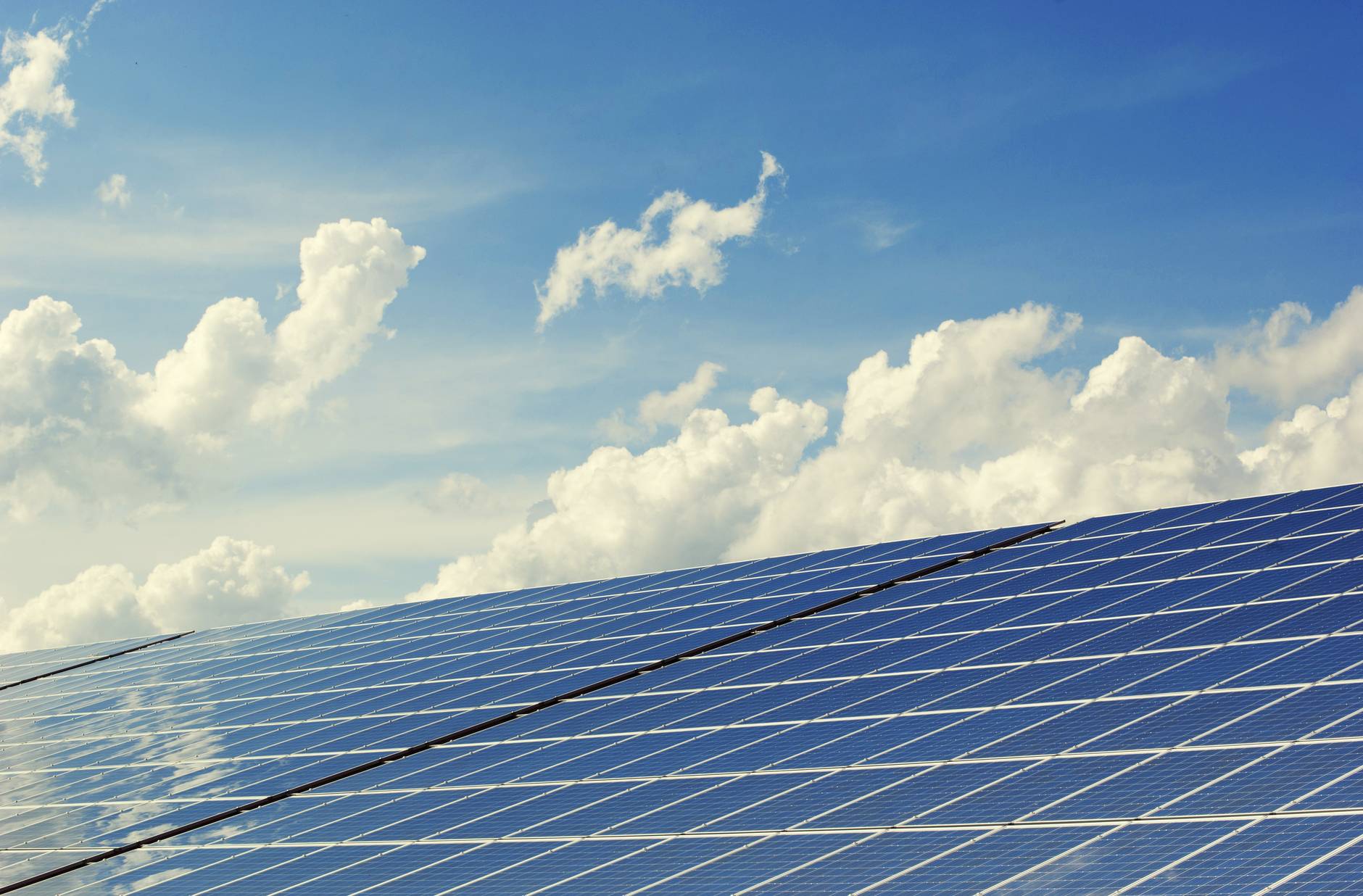

The Australian Energy Market Commission has proposed a new plan to modernize the country’s power grid, focusing on reducing the curtailment of rooftop solar systems. Curtailment happens when excess solar power cannot be exported to the grid because the network lacks the capacity to handle it. This issue has become more common as rooftop solar adoption continues to grow rapidly across Australia.
To tackle this challenge, the commission has suggested a shift toward better long-term planning and improved data reporting. One of the key changes in the proposal is replacing the current “distribution annual planning report” with a more detailed “distribution network plan.” This new plan will be published every five years and will provide a long-term outlook of up to 20 years. At the same time, network operators will still need to release shorter annual updates to keep stakeholders informed about progress and changes.
According to AEMC chair Anna Collyer, the main goal of the reform is to improve visibility across the electricity network. With millions of households now using rooftop solar panels, batteries, and electric vehicle chargers, the local grid infrastructure is under increasing pressure. The low-voltage network, especially in residential areas, is facing challenges due to limited capacity and a lack of clear data on where demand and generation are concentrated.
By improving data collection and transparency, the commission believes that network providers will be able to make better and more targeted investment decisions. This could help reduce solar export restrictions, allowing more households to send excess electricity back to the grid. In turn, this may help lower electricity costs for consumers. It will also support better planning for community batteries and EV charging infrastructure.
The reform comes at an important time for Australia’s energy transition. By the end of 2025, the country had installed over 28 GW of rooftop solar capacity, with more than 4.3 million systems in operation. Rooftop solar now contributes over 14 percent of the nation’s electricity supply. As this share continues to grow, the grid must adapt from a traditional one-way system to a more flexible two-way network.
The AEMC is currently seeking feedback from stakeholders on the proposal, with a final decision expected later in 2026. This step is considered important to ensure that the country’s growing investment in clean energy is fully utilized and not limited by outdated grid infrastructure.
Related
Discover more from SolarQuarter
Subscribe to get the latest posts sent to your email.
Source link