

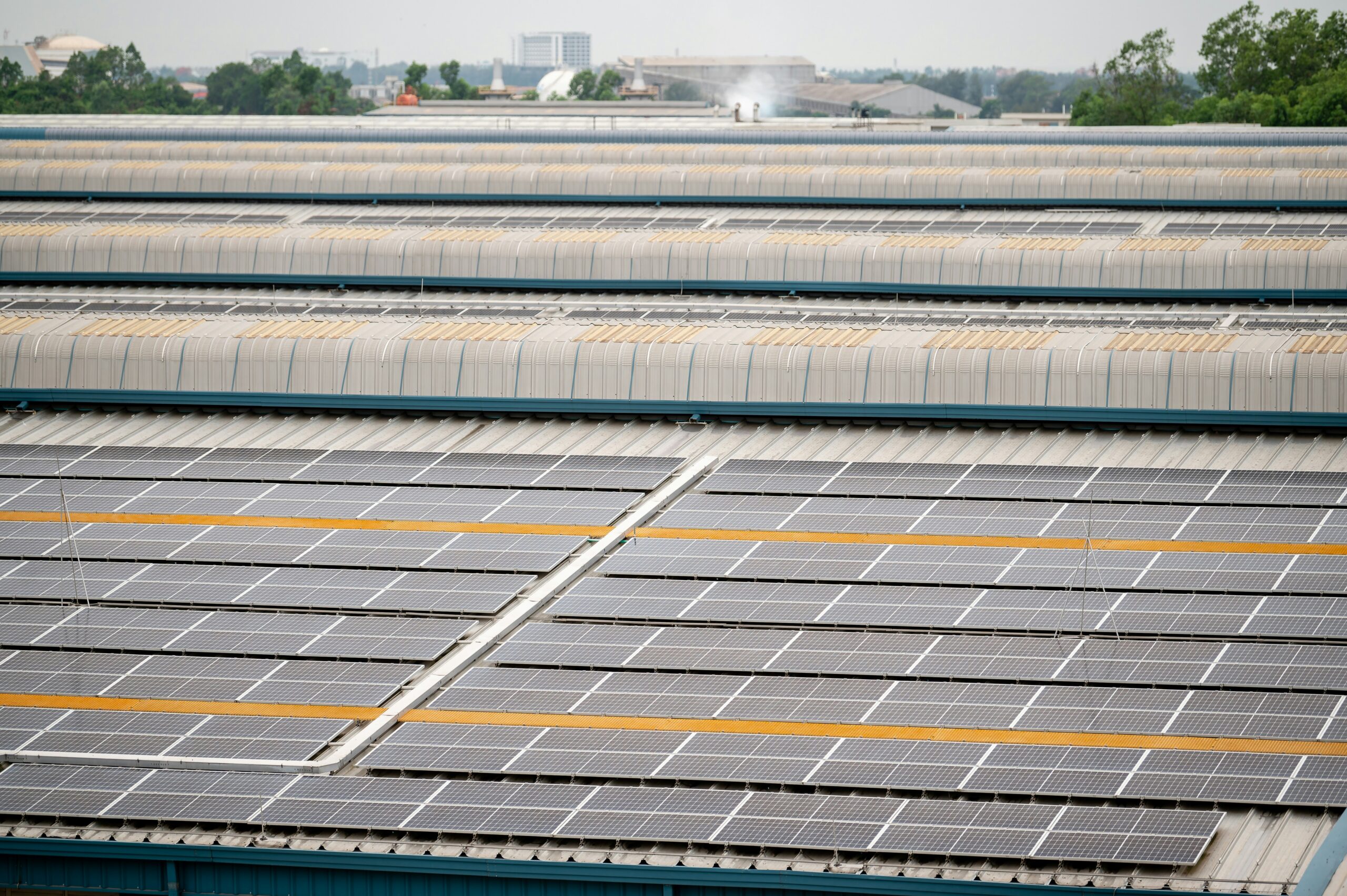
Bangladesh is renegotiating PPAs with solar developers that signed high tariffs years ago but never built their plants, prompting investor warnings about contract risk.
A government committee formed in April has already held talks with several project owners and is scheduled to meet two more on Oct. 27 and Oct. 29, with the aim of lowering tariffs agreed when project and equipment costs were higher.
The projects were approved under the Quick Enhancement of Electricity and Energy Supply (Special Provisions) Act, 2010, during the previous government’s tenure. Most were approved on the basis of unsolicited proposals from investors and have not been completed despite repeated extensions of their approvals.
Government officials said the PPAs were signed at high tariffs that reflected project and financing costs at the time. Construction costs and solar equipment prices have since fallen significantly, they said, so the projects’ tariffs should be brought in line with current rates for other projects.
Committee Chairman Mahfuzar Rahman, a joint secretary at the power division of Bangladesh’s Ministry of Power, Energy and Mineral Resources, said the government is revisiting existing contracts with projects that failed to come online on time.
“Actually, we need to check the issues involving their power tariff and implementation delays and revisit them,” Rahman said. He said the government will act on the outcome of the review.
Project owners and private investors have raised concerns about the renegotiation. They said the government’s concern over utility-scale solar projects that signed PPAs and implementation agreements several years ago but have made limited progress is understandable. However, they said projects should be held to their contractual milestones, and investors that fail to perform should face the remedies already set out in their project agreements rather than tariff changes.
The investors said the tariff is a fundamental assumption behind an independent power producer’s financial model, debt sizing, lender due diligence and equity investment decision. If investors and lenders perceive that agreed tariffs can be revisited after signing, they said, it adds a further layer of contractual and regulatory risk to the market. For long-delayed or non-performing projects, they called for a transparent, project-specific review based on the obligations and remedies in each project’s agreements.
Mostafa Al Mahmud, president of the Bangladesh Sustainable and Renewable Energy Association, said tariffs for projects that have failed to make progress can be renegotiated, but that renegotiating tariffs for projects at an advanced stage of construction is not acceptable.
“Any such steps will lower the confidence of investors in Bangladesh which require substantial domestic and international investment to achieve renewable energy ambitions,” said Mahmud.
Source link