

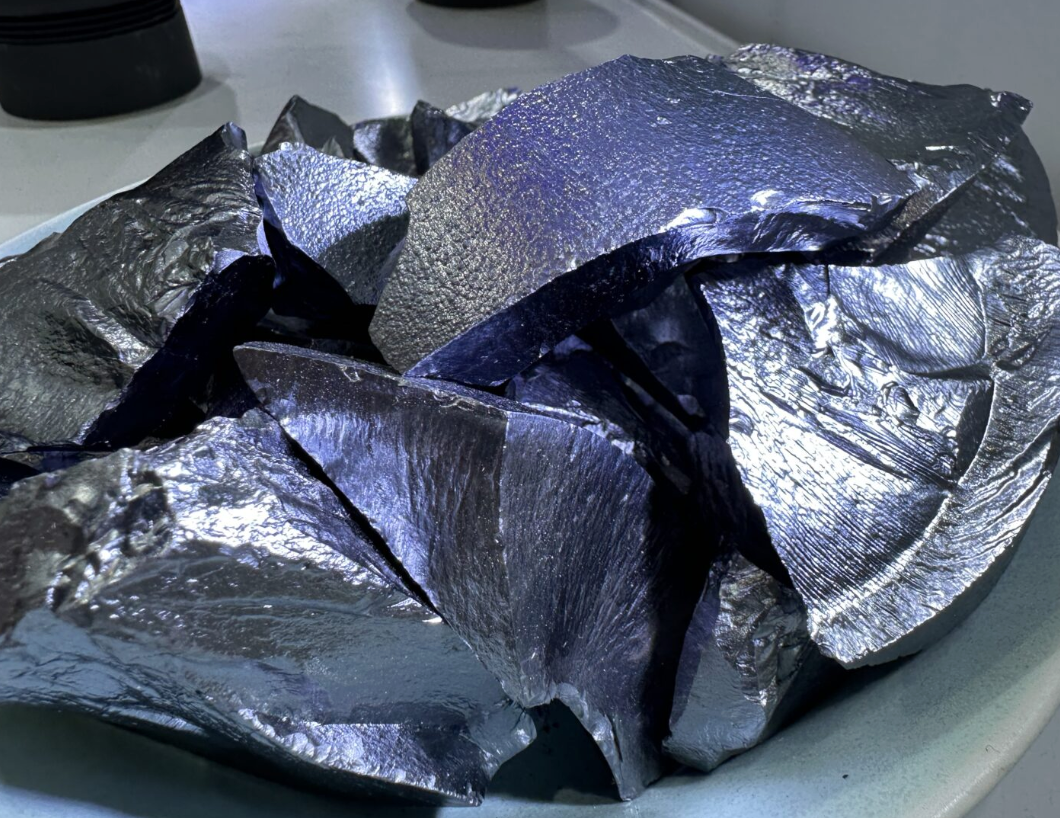
Eight of China’s largest polysilicon producers have reportedly signed an industry initiative pledging not to sell photovoltaic products below their full cost, as Beijing steps up efforts to curb destructive price competition across the solar supply chain.
The agreement was signed in Shanghai on the evening of Aug. 6 by Tongwei, GCL Technology, Daqo New Energy, Xinte Energy, Asia Silicon, Xinjiang East Hope New Energy, Qinghai Lihao Clean Energy and Xinjiang Goens Energy Technology, according to a released signature page.
Together, the eight companies are estimated to account for more than 90% of China’s effective polysilicon production capacity.
Under the initiative, participating companies pledged that sales prices, including bids submitted in tenders, should not fall below the corresponding costs calculated under China’s newly introduced General Rules for the Cost Accounting Model of the Photovoltaic Industry.
Companies are expected to review individual products and orders and correct sales below full cost. The document also calls on participants to report suspected below-cost selling to the China Photovoltaic Industry Association (CPIA) and market regulators.
The agreement comes less than two weeks after the cost-accounting standard was released on July 27. Developed by CPIA under the guidance of the State Administration for Market Regulation (SAMR) and the Ministry of Industry and Information Technology (MIIT), the framework standardizes cost boundaries, coefficients and calculation methods across polysilicon, wafers, cells and modules.
Regulatory pressure intensified on July 31, when market regulators held a price-compliance meeting with major PV manufacturers in Yancheng, Jiangsu province. Companies were instructed to strengthen cost accounting and conduct internal compliance reviews as authorities seek to move the sector away from low-price competition toward quality and technology.
The polysilicon producers also pledged to reduce capacity that fails to meet efficiency and technology requirements. That commitment is reinforced by GB 29447-2026, China’s new mandatory energy-consumption standard for polysilicon and germanium production, which will take effect on Jan. 1, 2027, and could force higher-energy plants to upgrade or exit.
The initiative follows more than two years of severe oversupply. Polysilicon prices have fallen below the full production cost of much of the industry, leaving even leading manufacturers with substantial losses and triggering repeated attempts to coordinate production discipline.
Markets responded positively to the latest development. On Aug. 7, shares of Tongwei rose 6.26%, while GCL Technology gained 8.96% in Hong Kong and Xinte Energy climbed 14.04%, reflecting expectations that tighter pricing discipline and faster capacity closures could improve profitability across the polysilicon sector.
Polysilicon futures also strengthened. The most-traded contract rose 2.95% on Aug. 7 to CNY 37,040 ($5,160) per ton. That represented a cumulative increase of about 13.8% from CNY 32,560 per ton immediately before the July 31 regulatory meeting in Yancheng, indicating that traders have increasingly priced in the prospect of policy-supported supply discipline and a recovery in spot prices.
The agreement could prove more significant than previous voluntary production cuts because it combines a standardized cost-accounting framework with mandatory energy-efficiency rules and increasingly active regulatory oversight. For producers operating above the new cost and energy-consumption thresholds, the combination could make continued production increasingly difficult unless plants are upgraded or permanently withdrawn.
Source link