

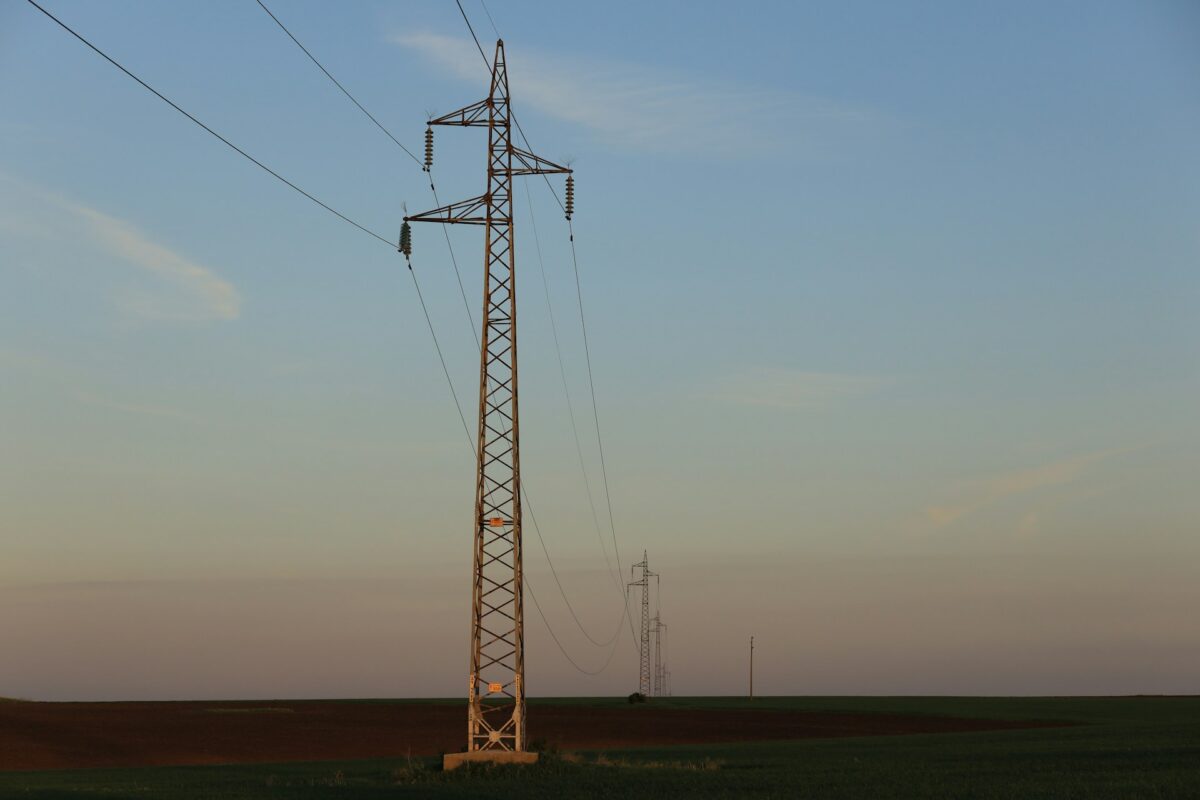
The Netherlands Authority for Consumers and Markets is progressing with plans to introduce a grid fee that would see large-scale electricity producers, including solar power plants, contribute to the costs of the electricity grid. Its introduction is expected no earlier than January 2032.
The Netherlands Authority for Consumers and Markets (ACM) is planning to introduce a grid fee for large electricity producers.
The tariff, expected to enter into effect from January 2032 at the earliest, will require large electricity producers, including solar power plants, to contribute to the costs of the electricity grid.
ACM says the tariff will “contribute to a more efficient utilization of the grid”, while adding that it would be entered gradually in order to give producers time to prepare for the change.
A form of grid fee already exists in some European countries, including Belgium and Denmark, while Germany is working on similar measures. ACM says it plans to tie the level of the fee to the planned German tariff, as Germany is the largest trading partner of the Dutch energy market.
Several trade associations in the Netherlands have opposed the plan. Among them are trade association Holland Solar, which has said ACM’s decision on the tariff is leaving the market “in uncertainty.”
“The persistent uncertainty regarding the tariff level is causing delayed investment decisions, thereby slowing down the energy transition. This leads to higher costs for customers because more energy has to be imported from abroad,” a statement from the association adds.
Holland Solar is calling for ACM to provide clarity regarding the next steps as soon as possible and to work on structural solutions that “make the energy system more efficient without hindering the rollout of sustainable energy.”
“The energy transition requires clear and consistent policy. Delaying decisions does not help the sector move forward,” the association also said.
Last September, the Dutch government proposed amendments to its Environmental Decree to fast-track permitting for electricity transmission and distribution projects above 21 kV in a bid to expand grid capacity and ease congestion through 2032.
This content is protected by copyright and may not be reused. If you want to cooperate with us and would like to reuse some of our content, please contact: editors@pv-magazine.com.
Popular content
Source link