

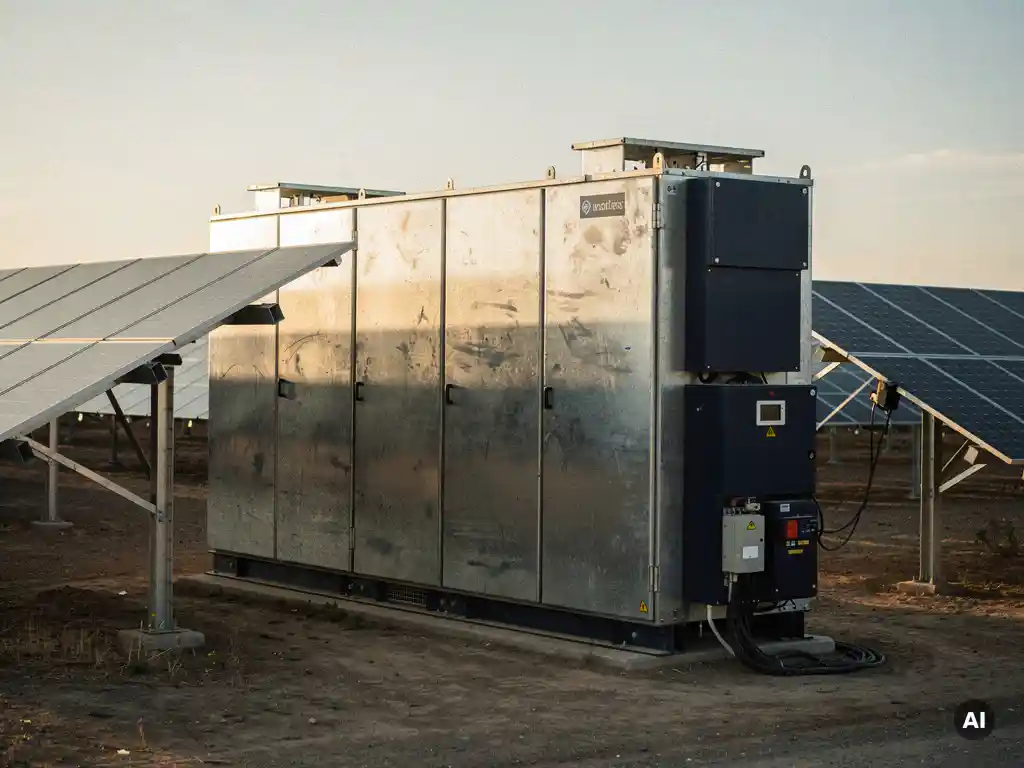
Most solar battery storage systems last between 10 and 15 years, though some high-quality lithium-based batteries can remain functional for closer to 20 years under optimal conditions. Lifespan depends heavily on battery chemistry, how frequently the system cycles, operating temperatures, and how well the system is maintained. The sections below break down each of the key factors that determine how long your battery storage investment will hold up.
What affects how long a solar battery lasts?
The lifespan of a solar battery storage system is shaped by four primary factors: battery chemistry, depth of discharge, operating temperature, and charge/discharge frequency. No single factor works in isolation; it is the combination of these variables that determines whether a battery reaches 10 years or pushes well beyond 15.
Battery chemistry
Lithium iron phosphate (LFP) batteries are currently the most durable option for solar storage, offering longer cycle lives and better thermal stability than older lithium nickel manganese cobalt (NMC) chemistries. Lead-acid batteries, while cheaper upfront, typically last only 3 to 7 years and degrade faster under heavy daily use. The chemistry you choose at installation sets the ceiling for how long your system can realistically last.
Depth of discharge and temperature
Regularly draining a battery to near zero, known as a high depth of discharge, accelerates wear on the internal cells. Most manufacturers recommend keeping discharge between 20% and 80% of total capacity to extend service life. Temperature plays an equally important role: batteries operating in consistently hot environments degrade faster because heat accelerates the chemical reactions that break down cell materials over time. Cold climates can reduce short-term performance but are generally less damaging to long-term lifespan than sustained heat.
How many charge cycles does a solar battery have?
A charge cycle is one complete discharge and recharge of a battery. Most lithium-based solar batteries are rated for between 3,000 and 6,000 cycles before capacity drops to around 70 to 80 percent of the original level. LFP batteries often exceed 6,000 cycles, while lead-acid batteries typically manage only 500 to 1,200 cycles under similar conditions.
In a typical residential or commercial solar installation where the battery cycles once per day, a 4,000-cycle rating translates to roughly 11 years of use before noticeable capacity loss. Systems that cycle more frequently, for example, in commercial settings with morning and evening peak demand management, will consume those cycles faster and may need replacement sooner. This is why cycle count, not just calendar age, is the more meaningful measure of battery health.
Do solar batteries degrade over time even without heavy use?
Yes, solar batteries degrade even when they are rarely used. This is called calendar aging, and it occurs as a natural result of the chemical processes inside the battery cells, regardless of how often the battery cycles. A battery sitting at full charge in a warm environment can lose measurable capacity within a few years even without a single discharge cycle.
Calendar aging is particularly relevant for backup-only battery systems that sit idle for long periods and only activate during grid outages. The degradation is slower than cycle-induced wear, but it is still real and cumulative. To minimize calendar aging, manufacturers generally recommend storing batteries at a partial state of charge (around 50%) when they will not be used for extended periods, and keeping them in temperature-controlled environments where possible.
What’s the difference between solar battery lifespan and warranty?
Battery lifespan refers to how long the system will function at an acceptable level of performance, while the warranty is the manufacturer’s contractual guarantee covering defects and minimum capacity retention over a defined period. These two figures are related but not the same; a battery can outlive its warranty, or fail to meet warranty thresholds before the warranty period ends.
Most solar battery warranties run for 10 years and guarantee that the battery will retain at least 60 to 80 percent of its original capacity by the end of that period. If the battery drops below the guaranteed threshold within the warranty window, the manufacturer is obligated to repair or replace it. After the warranty expires, the battery may continue to function for several more years, but any capacity loss or failure becomes the owner’s responsibility. When comparing battery storage options, it is worth reading the warranty terms carefully, specifically the end-of-warranty capacity guarantee and any conditions that could void coverage, such as operating outside recommended temperature ranges or exceeding the rated depth of discharge.
How can you make a solar battery last longer?
Extending the life of a solar battery storage system comes down to consistent, mindful management of the conditions that cause degradation. The most impactful steps are controlling depth of discharge, managing operating temperature, keeping firmware and battery management systems updated, and avoiding prolonged periods at full charge.
- Limit depth of discharge: Set your system to avoid discharging below 20% capacity. Many modern inverters and battery management systems allow you to configure this threshold automatically.
- Control operating temperature: Install batteries in shaded, ventilated spaces away from direct sunlight. In hot climates, active cooling can significantly slow degradation.
- Avoid sustained full charge: Keeping a battery at 100% state of charge for extended periods stresses the cells. Where possible, configure the system to charge to 90% during normal operation and reserve full charge for days when maximum backup capacity is needed.
- Keep software and firmware current: Battery management system updates often include improvements to charging algorithms that reduce unnecessary stress on cells.
- Schedule regular inspections: Checking connections, monitoring capacity trends, and catching early signs of cell imbalance can prevent small issues from becoming costly failures.
For large commercial or utility-scale projects, proper system design at the engineering stage also plays a significant role. Oversizing the battery bank slightly relative to daily demand reduces how deeply the system cycles each day, which directly extends service life. If you are designing a system and want guidance on how storage integrates with your PV layout, speaking with a solar engineering specialist early in the process can help you avoid design choices that accelerate battery wear.
When should you replace a solar battery storage system?
A solar battery storage system should be replaced when its usable capacity has degraded to the point where it can no longer meet the energy demands it was designed to cover. In practice, most systems reach this threshold when capacity falls to around 60 to 70 percent of the original rated capacity, a point at which backup duration or self-consumption benefits become noticeably reduced.
There are several clear signals that replacement is approaching or overdue:
- The battery no longer powers the home or facility through the night when it previously could
- Charging times have increased significantly without changes in solar generation
- The battery management system is reporting frequent cell imbalance warnings
- The system has exceeded its rated cycle count or is approaching the end of its warranty period with visible capacity loss
- Physical signs such as swelling, unusual heat, or persistent error codes appear
Replacement does not always mean a full system overhaul. In some cases, individual battery modules can be swapped out rather than replacing the entire unit, depending on the system architecture. It is also worth timing replacement strategically: battery technology continues to improve, and waiting until genuine performance loss occurs rather than replacing prematurely means you benefit from advances in energy density, cycle life, and cost that are ongoing across the industry in 2026.
If you are evaluating whether your current storage setup still makes sense for your project scale or energy goals, exploring modern solar software tools can help you model updated system configurations and assess whether a redesign alongside battery replacement would improve overall performance.
Frequently Asked Questions
Can I mix old and new solar batteries in the same system?
Mixing batteries of different ages or capacities in the same system is generally not recommended, as the older, degraded cells will limit the performance of the newer ones and can cause uneven charging that accelerates wear across the entire bank. If you need to expand your storage capacity, it is best to either replace the full bank with matched units or consult a system engineer about whether your architecture supports modular expansion with compatible new modules. Some modern battery systems are specifically designed for incremental expansion, so checking your manufacturer’s documentation before adding capacity is always the right first step.
How do I know if my solar battery is degrading faster than it should be?
The clearest early indicator is a reduction in usable runtime — if your battery is no longer covering the same overnight load it handled comfortably a year ago, capacity loss is likely underway. Most modern battery management systems (BMS) provide state-of-health (SOH) readings either through a display panel or a companion app, which gives you a percentage-based view of remaining capacity relative to the original rating. If your SOH is dropping more than 2–4% per year in the first few years of operation, it is worth reviewing your depth of discharge settings and operating temperatures, as those are the most common culprits behind accelerated degradation.
Does the number of solar panels affect how quickly a battery degrades?
Yes, indirectly. An oversized solar array relative to your battery capacity can cause the battery to reach full charge early in the day and sit at 100% state of charge for extended hours, which contributes to calendar aging and cell stress. Conversely, an undersized array may result in incomplete daily charging cycles, which can also affect long-term cell balance. The ideal design matches solar generation capacity to battery size so the system charges to around 90% by midday and draws down meaningfully each evening, keeping the battery in its optimal operating range throughout its life.
What happens to a solar battery at the end of its life — can it be recycled?
Yes, solar batteries — particularly lithium-based chemistries — are recyclable, and the industry infrastructure for doing so is growing rapidly. Lithium, cobalt, nickel, and other materials can be recovered and reused in new battery production, reducing both environmental impact and raw material demand. When replacing a system, check with your installer or the battery manufacturer about take-back programs, as many major brands now offer or partner with certified recycling services. Disposing of batteries through general waste channels is not only environmentally harmful but may also be illegal depending on your jurisdiction.
Is it worth replacing a degraded battery, or should I redesign the whole solar system at the same time?
If your solar panels are still performing well and your energy needs have not changed significantly, a targeted battery replacement is often the most cost-effective path. However, if your panels are also aging, your load profile has grown, or newer inverter technology would meaningfully improve system efficiency, combining a battery replacement with a broader system review can deliver better long-term value. Using solar design and simulation software to model your current versus an updated configuration is a practical way to make this decision with real data rather than guesswork — and it can reveal whether a redesign would pay for itself through improved self-consumption or reduced grid reliance.
Do solar battery warranties transfer if I sell my property?
Warranty transferability varies by manufacturer, but many major solar battery brands do allow warranty transfer to a new property owner, often with a simple registration process completed within a set window after the sale. This can be a meaningful selling point when listing a property with an existing solar-plus-storage system, as it reassures buyers that they are covered against premature capacity loss. Before assuming transferability, review the original warranty documentation carefully and contact the manufacturer directly, as some warranties are tied to the original purchaser and become void upon transfer of ownership.
Are there any software tools or monitoring platforms that can help track battery health over time?
Most leading battery systems — including Tesla Powerwall, Enphase IQ Battery, and SolarEdge Energy Bank — come with proprietary monitoring apps that track state of health, cycle count, energy throughput, and temperature trends over time. For commercial or multi-site installations, third-party energy management platforms such as AlsoEnergy, SolarEdgeOS, or Virto Solar’s own design and monitoring tools can provide more granular analytics and flag degradation trends before they become operational problems. Setting up automated alerts for abnormal readings is one of the simplest and most effective ways to catch issues early and protect your investment.
Related Articles
This content was generated with the help of AI — it may contain mistakes
Source link