

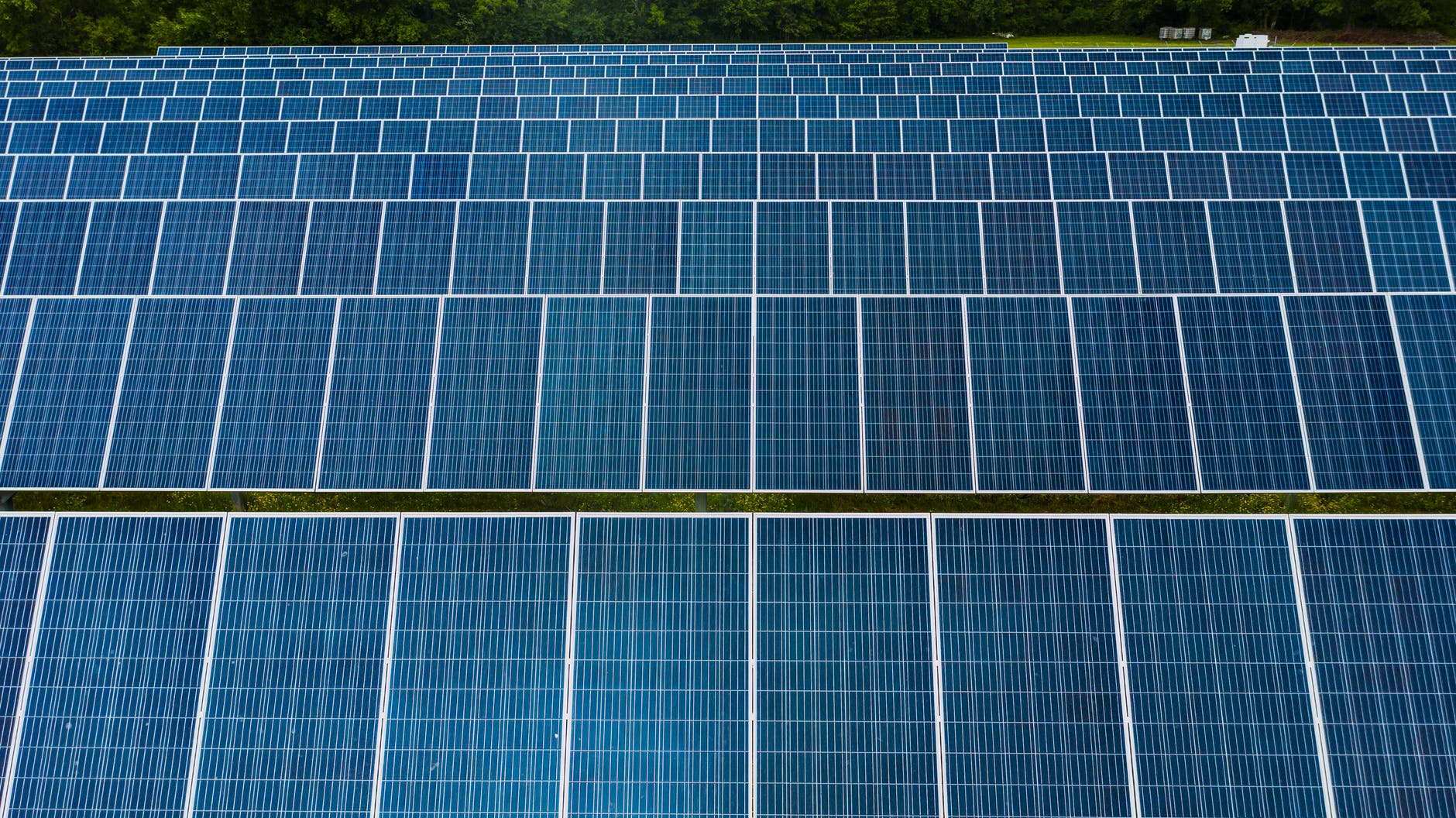

The Government of India is preparing to implement a major solar manufacturing policy from June 1, 2026, under which only India-made Domestic Content Requirement (DCR) solar panels will be allowed for residential, commercial, and industrial solar projects. The move is linked to the enforcement of the Approved List of Models and Manufacturers (ALMM) List-II and is expected to significantly change the country’s solar industry landscape.
Under the new rule, both solar cells and modules used in projects must be manufactured within India. The policy is part of the government’s broader Atmanirbhar Bharat initiative aimed at reducing India’s heavy dependence on imported solar equipment, especially from China. Industry stakeholders believe the measure will help strengthen domestic manufacturing, improve supply chain security, and support long-term energy independence.
The upcoming mandate marks a shift in India’s renewable energy strategy from rapid deployment toward local industrial development. While the policy has received support from several industry leaders, many companies have also raised concerns about the immediate challenges that may arise during implementation.
One of the biggest concerns is the current gap between domestic manufacturing capacity and market demand. Industry experts say India’s local solar cell manufacturing sector is still expanding and may not yet be fully prepared to meet the rising requirements of the rooftop, commercial, and industrial solar markets. Apart from solar cells, upstream materials such as wafers are also facing supply limitations.
Developers and EPC companies are worried that the mandatory use of locally manufactured components could increase project costs in the short term. Domestic solar panels are currently more expensive than imported alternatives, which may affect the financial viability of many projects. Companies also fear delays in procurement and project execution as manufacturers work to scale up production capacity.
According to industry estimates, it could take another three to four months for local cell manufacturing lines to reach adequate operational levels. As a result, many stakeholders are requesting the government to adopt a phased implementation plan instead of enforcing the rule immediately. Some companies have also asked authorities to permit the use of imported solar modules that are already in transit or have reached project sites before the deadline.
Developers have further pointed out that project delays are not always under their control. Factors such as transmission infrastructure readiness, weather disruptions, and force majeure events can affect project timelines. They believe these issues should be considered to avoid unnecessary penalties or disruptions in the market.
Another major issue being discussed within the industry is enforcement and monitoring. Experts note that previous regulations under ALMM-I were not strictly implemented in the distributed solar sector. Many rooftop and net-metering projects reportedly continued using imported modules due to weak tracking and verification systems.
With ALMM-II creating a larger price difference between imported and domestic products, analysts warn that poor monitoring could create loopholes in the system. Industry voices have stressed the need for strong digital traceability and transparent verification mechanisms to prevent misuse, corruption, and harassment of compliant vendors.
Rahul Das, AVP – Business Development, Oorjan Cleantech, “The Government of India’s decision to permit only India-made DCR solar panels from 1 June 2026 marks a defining moment for the renewable energy ecosystem. This policy strongly supports Atmanirbhar Bharat by strengthening domestic manufacturing, improving supply chain resilience, and ensuring long-term energy security. For the solar industry, it creates opportunities to accelerate innovation, enhance quality standards, and build consumer trust. At Oorjan Cleantech, we see this as a catalyst for sustainable growth that aligns policy with purpose and positions India to lead the global clean energy transition with confidence and self-reliance.”
Navneet Daga, Co-founder & CEO, Zenergize, “The June 2026 DCR mandate is a defining moment for India’s solar sector, signaling a shift from a deployment-first mindset to a development-first strategy. By mandating domestically manufactured cells and modules, India is building stronger supply-chain resilience and energy security. While the domestic cell manufacturing base is still catching up, creating short-term cost pressures and procurement challenges, this is the right long-term direction. Industries aligning early with DCR compliance will remain competitive while helping build a stronger, self-reliant Indian energy ecosystem.”
Mr. Tanmoy Duari, Chief Executive Officer, AXITEC Energy India, “The decision to permit only India-made DCR solar panels from June 2026 is a major policy shift for the Indian solar sector. While strengthening domestic manufacturing and reducing import dependence is strategically important, the industry may face short-term challenges around manufacturing scale, supply availability, pricing, and project execution timelines. India’s solar ecosystem still requires expansion across cells, wafers, and upstream components. At AXITEC Energy India, we believe this policy can create long-term value if supported by stable regulations, faster manufacturing expansion, and continued focus on quality and technology standards.”
Dr. Arulkumar Shanmugasundaram, CEO & MD, Swelect Energy Systems, “DCR solar panels will increase overall project costs, and this impact must be factored into project planning and execution. The required domestic cell manufacturing capacity may need another 3–4 months to ramp up fully. Considering this, the government may consider extending the implementation timeline to allow sufficient time for new capacities to be commissioned. Additionally, modules already shipped or under transit should be permitted for use. Addressing these practical considerations will help ensure smoother project execution while supporting the long-term objective of strengthening India’s domestic solar manufacturing ecosystem.”
Mr. Sameer Nagpal, CEO, Vikram Solar, “ALMM List-II enforcement marks a structural shift for India’s solar sector, from module assembly to genuine value-chain indigenisation. This is the right direction. At Vikram Solar, we are making the investments this policy calls for, with substantial cell manufacturing capacity being commissioned to meet future demand. Like all significant policy shifts, its real impact will depend on how well industry readiness and implementation move in sync. At Vikram Solar, we are not waiting for the market to catch up; we are building ahead of it.”
Ankit Patidar, Managing Director – Shakti Irrigation Pvt. Ltd. & Chief Marketing Officer – Shakti Group, “From 1 June 2026, India’s solar energy landscape will enter a new era of self-reliance, with only domestically manufactured DCR solar panels permitted across residential, commercial, and industrial projects. This landmark policy will reduce dependence on imported cells and modules while strengthening India’s manufacturing ecosystem. Developers and businesses will need to adapt supply chains to source from approved Indian manufacturers. Though short-term price adjustments may occur, the long-term benefits include enhanced energy security, job creation, and a stronger ‘Made in India’ photovoltaic industry.”
Rupal Gupta, Founder, Managing Director & CEO, TrueRE Oriana Power, “The decision to expand the use of India-made DCR solar panels is a significant step towards strengthening the country’s domestic manufacturing ecosystem and supporting an Atmanirbhar clean energy sector. At the same time, parts of the solar supply chain remain import-dependent, while cost competitiveness continues to be a key consideration for developers and offtakers. Domestically manufactured panels remain more expensive than imported alternatives, directly impacting project economics. A phased and well-calibrated implementation approach will be important to ensure market stability and sustained sectoral growth.”
Simarpreet Singh, Executive Director & CEO, Hartek Power, “India’s move to mandate domestically manufactured DCR solar panels from June 2026 is a timely and strategic push towards strengthening the renewable energy ecosystem under the vision of Atmanirbhar Bharat. The policy will encourage investments in local manufacturing, reduce import dependency, and create a more resilient solar supply chain. It also has the potential to accelerate innovation, generate skilled employment, and enhance India’s competitiveness in the global clean energy landscape. Such policy measures will be instrumental in achieving India’s renewable energy targets while ensuring long-term energy security and industrial growth.”
Ganesh Moorthi, Chief Technology Officer, Luminous Power Technologies, “The implementation of the DCR mandate from June 1 marks a significant step towards strengthening India’s solar manufacturing ecosystem and advancing a self-reliant renewable energy sector. The move is expected to accelerate investments across the solar value chain, improve supply-chain resilience, and create long-term opportunities for domestic manufacturers. While the industry may witness some near-term supply constraints around DCR-compliant cells, continued government support can help accelerate capacity expansion and ensure a smoother transition. We believe the DCR framework will drive innovation, enhance quality standards, strengthen energy security, and enable sustainable long-term growth.”
Despite the short-term difficulties, domestic manufacturers are continuing to invest heavily in new production facilities. Several companies are commissioning additional solar cell capacities in anticipation of higher demand created by the regulation. Industry leaders believe that stable policy support and faster manufacturing expansion could generate major long-term benefits for India’s renewable energy sector.
The next 12 to 18 months are expected to be critical as the country attempts to balance its ambitious clean energy targets with the development of a self-reliant solar manufacturing ecosystem.
Related
Discover more from SolarQuarter
Subscribe to get the latest posts sent to your email.
Source link