

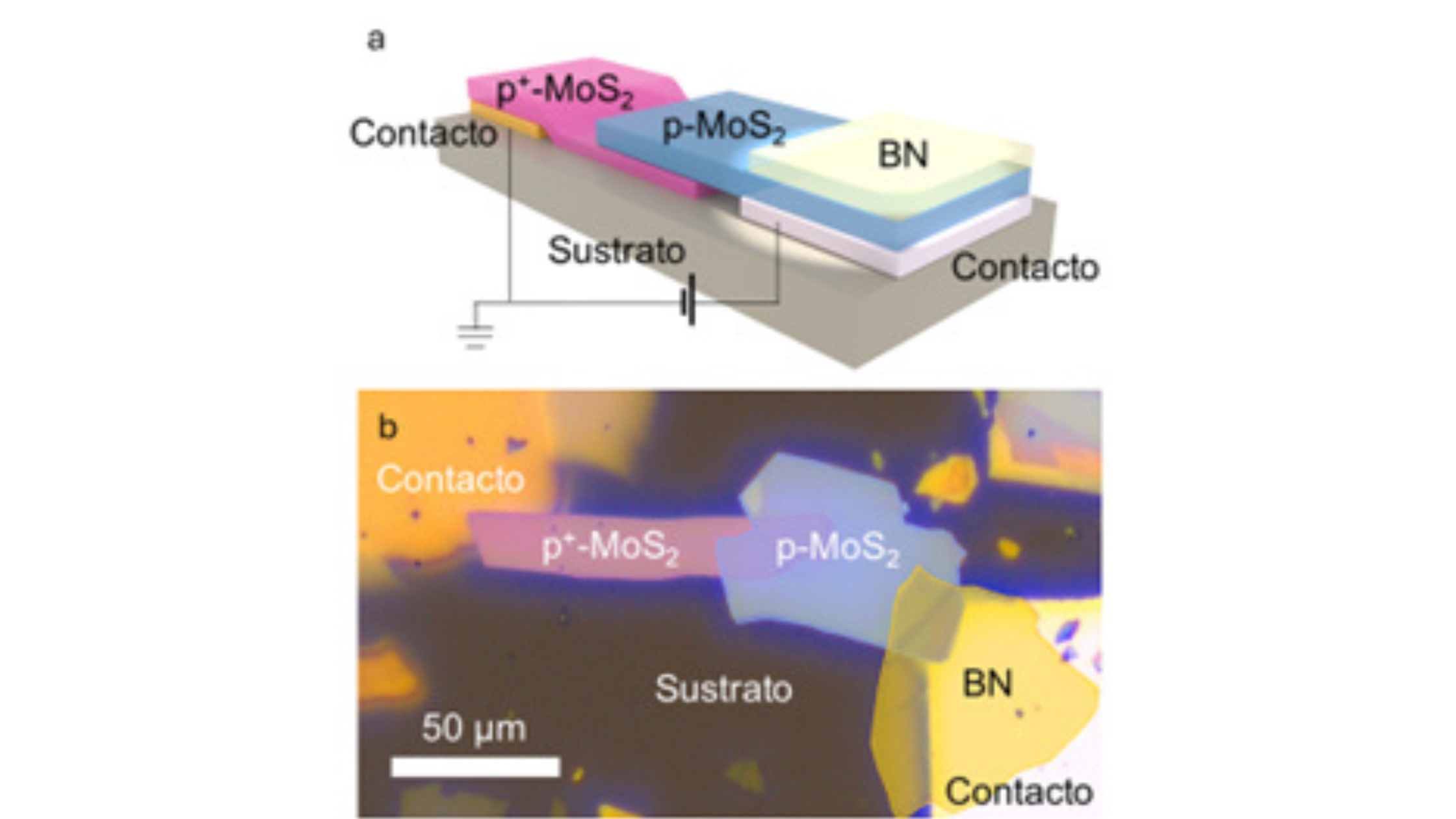

Researchers at the Institute of Solar Energy (IES), part of the Polytechnic University of Madrid (UPM), are advancing next-generation photovoltaics through the development of ultra-thin, two-dimensional (2D) solar cell materials. According to an official UPM release (16 March 2026), the Silicon and New Concepts for Solar Cells (SyNC) research group has successfully fabricated micro-prototypes of highly efficient solar cells using a technique known as “hot-pick-up.”
This method involves selecting and stacking microscopic fragments of 2D materials inside a transparent bubble, enabling precise customization of material combinations. By leveraging the complementary optical and electronic properties of different 2D layers, the researchers achieved enhanced light absorption and efficiencies that position UPM among leading institutions in this emerging field (UPM, 2026). These materials are exceptionally thin—effectively lacking a third dimension—yet demonstrate strong photovoltaic performance.
The research addresses a critical challenge in urban energy systems: integrating solar technologies into dense city environments. Conventional photovoltaic panels are often limited by their weight, rigidity, and size. In contrast, these flexible, lightweight, and semi-transparent cells can be applied to a wide range of surfaces, including building facades and windows. The team is also exploring scalable manufacturing approaches, such as solution-based spraying and deposition techniques, which could lower costs and support industrial adoption.
Importantly, simulations conducted by the researchers suggest that applying these materials to a skyscraper facade in Madrid could generate up to 30% of the building’s energy demand while maintaining indoor lighting quality (UPM, 2026). This innovation highlights the potential of 2D photovoltaics to transform urban infrastructure into distributed energy systems.
Related
Discover more from SolarQuarter
Subscribe to get the latest posts sent to your email.
Source link