

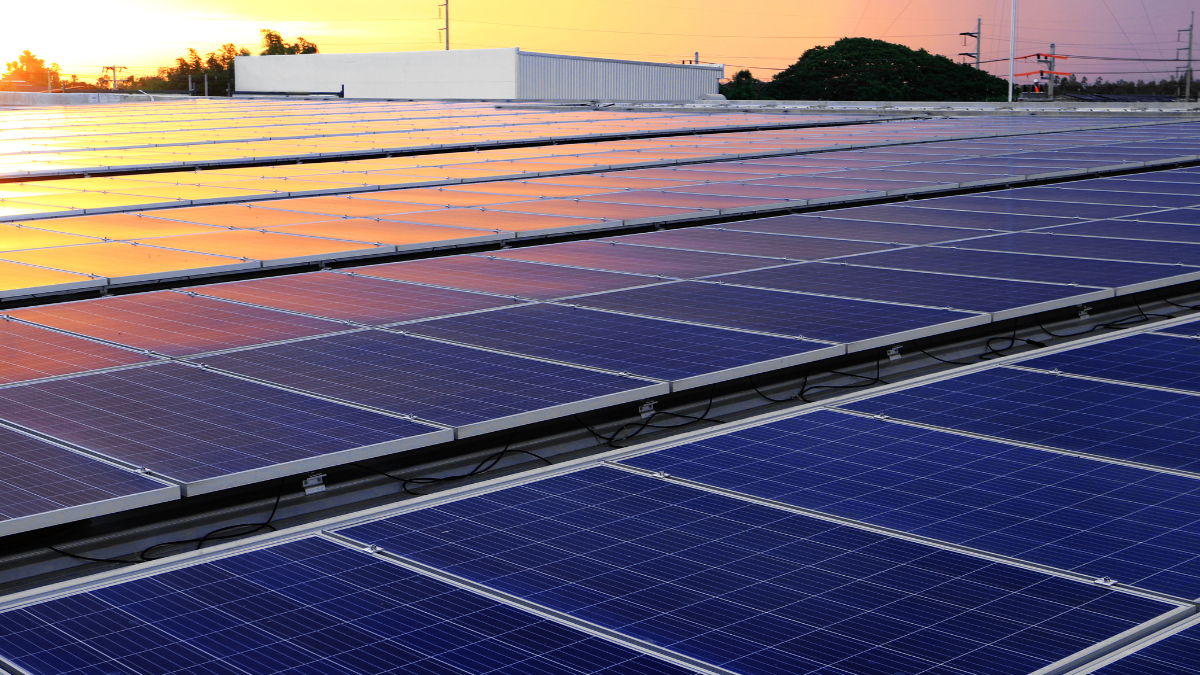

Rooftop solar photovoltaic systems are playing a major role in Puerto Rico’s energy transition, now accounting for about 20% of the island’s total electricity capacity. By the end of 2025, rooftop solar capacity reached 1,456 megawatts (MW), making it one of the fastest-growing energy sources in the region. Over the past decade, rooftop solar has expanded more rapidly than other power sources, contributing around 81% of all new generating capacity added between 2016 and 2025.
In 2025, rooftop solar became the second-largest source of installed capacity in Puerto Rico, ranking just behind petroleum-based generation, which stands at 3,671 MW. It also surpassed natural gas capacity, which totals 1,391 MW. This shift highlights the increasing importance of clean and decentralized energy systems in the island’s power mix.
The rise of rooftop solar has been closely linked to Puerto Rico’s ongoing challenges with electricity reliability and frequent power outages. Many households and businesses have turned to solar energy combined with battery storage to ensure a stable power supply. On average, about 3,850 rooftop solar systems were installed each month in 2025, bringing the total number of installations to 191,929 by the end of the year.
Alongside solar growth, distributed battery storage has also seen significant expansion. Data shows that 171,372 homes and businesses had battery storage systems installed by the end of 2025, with a combined energy capacity of 2,864 megawatt-hours. These batteries allow users to store excess solar power and use it when needed, especially during outages.
Policy support has also played a key role in this growth. Puerto Rico introduced net metering in 2007, enabling solar users to send surplus electricity back to the grid. More recently, the grid operator expanded its Customer Battery Energy Sharing program, allowing stored energy from batteries to be supplied to the grid during periods of high demand.
This system has enabled the development of virtual power plants, where thousands of distributed batteries work together as a single energy source. Companies such as Sunrun and Tesla are actively involved in managing these systems, helping improve grid stability while offering financial incentives to participants who export excess energy.

Related
Discover more from SolarQuarter
Subscribe to get the latest posts sent to your email.
Source link