
From pv magazine Mexico
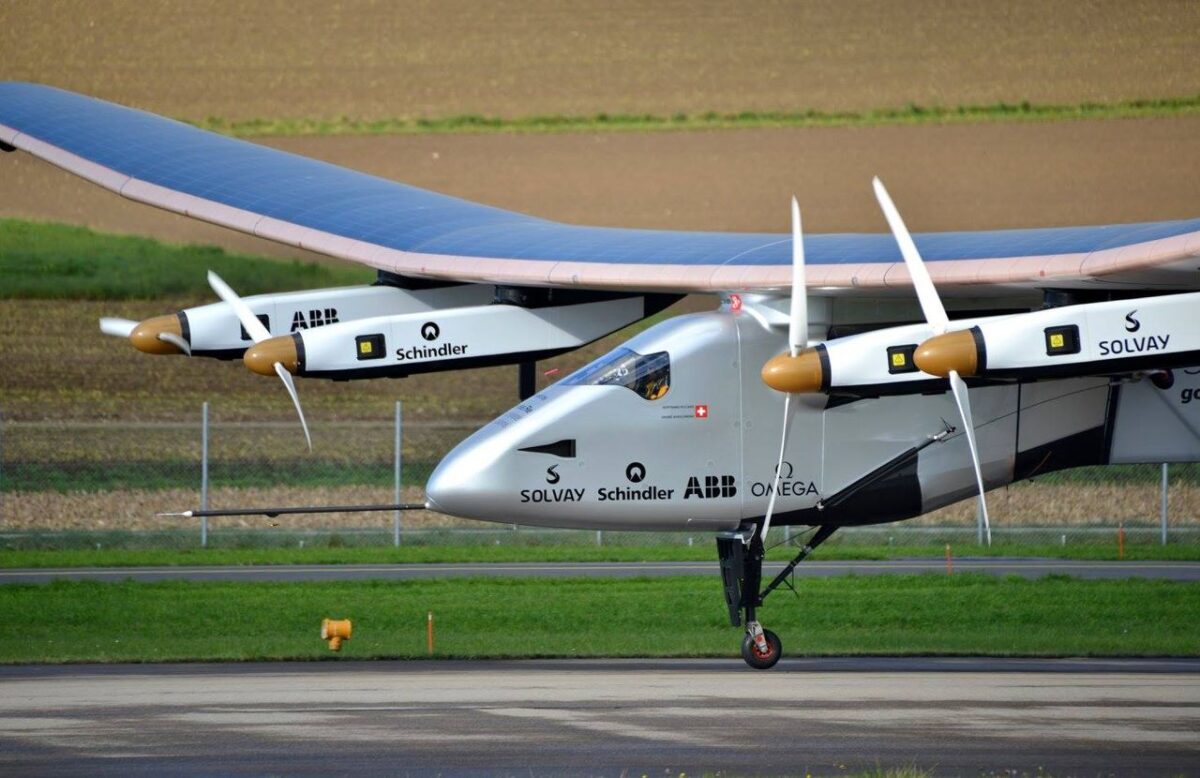
The experimental solar-powered aircraft Solar Impulse 2 crashed on May 4 in the Gulf of Mexico off the coast of Mississippi during an unmanned test flight operated by Skydweller Aero.
Preliminary information from the U.S. National Transportation Safety Board (NTSB) indicates the aircraft lost power shortly after takeoff from Stennis International Airport and went down in international waters near Bay St. Louis. There were no fatalities or injuries, as the flight was uncrewed.
Developed by Swiss aviation pioneers Bertrand Piccard and André Borschberg, Solar Impulse 2 was originally built as a demonstrator for solar-powered flight. Between 2015 and 2016, it completed the first circumnavigation of the globe by a fixed-wing aircraft powered solely by solar energy, covering approximately 42,000 km over 17 legs.
The aircraft was sold in 2019 to Skydweller Aero, which converted it into an autonomous, long-endurance platform for surveillance, communications and testing applications across civilian and defense programs. It retained a wingspan comparable to that of a Boeing 747 and was equipped with around 17,000 photovoltaic cells integrated into its wings.
The investigation remains ongoing, and no final determination on the technical cause of the crash has been released. Preliminary reports point to a loss of power prior to impact, resulting in the destruction of the aircraft.
While the crash marks the end of the specific airframe that achieved a milestone in solar aviation, the Solar Impulse project remains a reference point for demonstrating the feasibility of long-distance, fossil-fuel-free flight.
This content is protected by copyright and may not be reused. If you want to cooperate with us and would like to reuse some of our content, please contact: editors@pv-magazine.com.
Popular content